
Tools
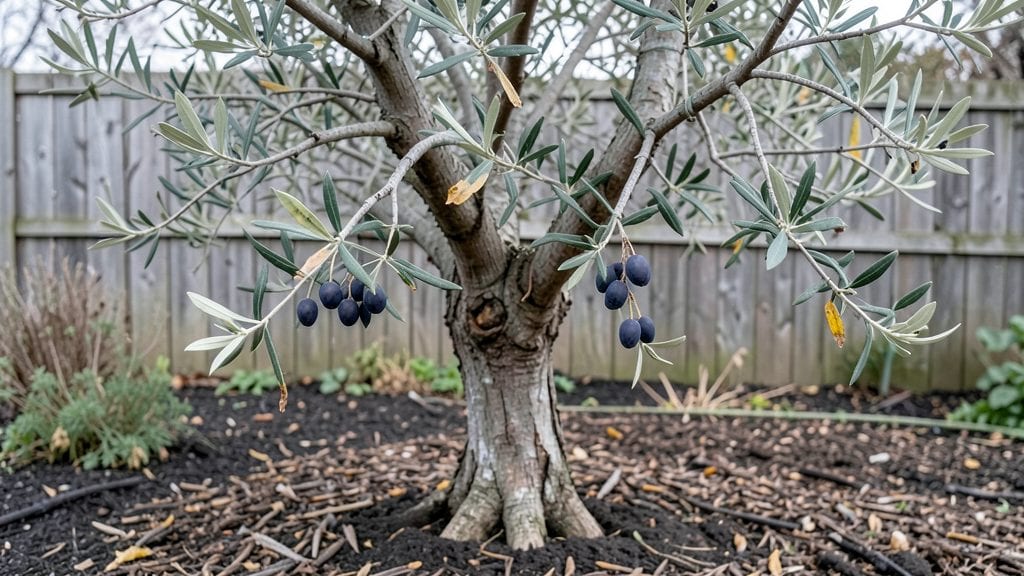
Creating an olive garden winter garden requires layered container planting with cold-resistant plants: place root vegetables like kale or carrots at the bottom, surround them with mid-height herbs such as rosemary or thyme, and finish with frost-tolerant leafy greens like spinach or arugula. Insulated containers and mulch help protect plants from freezing temperatures.
This layered approach mimics natural Mediterranean slopes, where hardy perennials thrive alongside seasonal annuals. 🌿 The key is selecting plants that tolerate 20-30°F temperatures—like winter lettuce or broccoli raab—while their vertical arrangement maximizes sunlight exposure in shorter winter days.
I’ve found that adding a 2-inch mulch layer of straw or shredded leaves preserves soil warmth and moisture, which is critical when daytime highs barely reach 40°F.
For containers, opt for 12-inch-deep pots with drainage holes and fill them with a mix of 60% potting soil, 30% compost, and 10% perlite to prevent root rot.
The largest plants (like kale) should sit at the bottom, with smaller herbs and greens tucked into the sides or top. Wrapping pots in bubble wrap or using self-watering containers adds an extra layer of frost protection without sacrificing aesthetics.
💡 In This Article
- Cold-Hardy Olive Garden Plants for Winter Containers
- Container Setup Guide for Year-Round Olive Garden Harvests
Cold-hardy olive garden plants for winter containers
Mediterranean-inspired winter gardens rely on plants that combine cold tolerance with the distinctive flavors of olive oil-based cuisines. The key is selecting varieties that thrive in 20-30°F temperatures while maintaining their aromatic or savory profiles.
Winter lettuce varieties like 'Winter Density' can handle 15°F dips, while broccoli raab (rapini) remains productive down to 25°F—both essential for salads and sautés that rely on fresh greens.
These plants share a common trait: their cell membranes contain higher levels of unsaturated fats, which prevent ice crystal formation in their tissues during freezes.
Herbs like oregano and thyme are perennial workhorses that regrow each year from their woody stems, making them ideal for container edges. Their needle-like leaves have thick cuticles that reduce water loss, while their aromatic oils (like thymol in thyme) act as natural antifreeze agents.
For example, rosemary's essential oils can lower the freezing point of its sap by up to 5°F, explaining why it stays green even when other plants brown. The trick is choosing dwarf varieties that won't outgrow their containers—like 'Blue Spires' rosemary—which stays under 2 feet tall.
Layering these plants by height creates microclimates that protect tender varieties. The base layer of root crops (like 3-inch carrot 'Paris Market' or 4-inch kale 'Winterbor') acts as insulation, while the top layer of leafy greens benefits from radiant heat reflected from the darker soil below.
This vertical arrangement also maximizes sunlight capture—critical during winter's 8-hour daylight periods. The soil mix becomes just as important: amending with 20% coconut coir improves water retention, while 15% perlite prevents compaction from freeze-thaw cycles.
What most gardeners overlook is how plant growth habits influence winter survival. Perennials like rosemary and oregano develop deeper root systems that access warmer subsoil, while annuals like winter lettuce focus energy on leaf production above ground.
This explains why lettuce bolts (goes to seed) in spring—its energy reserves are exhausted from cold-weather growth. To extend the season, pair annuals with slow-growing perennials: thyme's 1-inch growth per year contrasts with arugula's 6-inch winter spurt, creating a balanced ecosystem.
Soil preparation makes the difference between thriving and struggling plants. Start with a 3-inch layer of gravel at the container's bottom for drainage, then add a 4-inch layer of compost-rich soil.
The top 2 inches should be a mulch blend of 50% straw and 50% shredded leaves—this insulates roots while preventing soil-borne diseases that thrive in damp winter conditions. The mulch's air pockets also trap heat radiated from the container's sides, creating a 5-10°F warmer microclimate at the soil surface.
For containers, choose materials with thermal mass: 12-gallon ceramic pots retain heat better than plastic, while wooden half-barrels provide natural insulation. Wrap containers in 2 layers of bubble wrap for extra protection, leaving the top open to prevent moisture buildup that could cause root rot.
This setup lets you grow Mediterranean flavors year-round—imagine harvesting fresh rosemary for bread or arugula for pesto when outdoor temps hover around 35°F.