
Fertilization
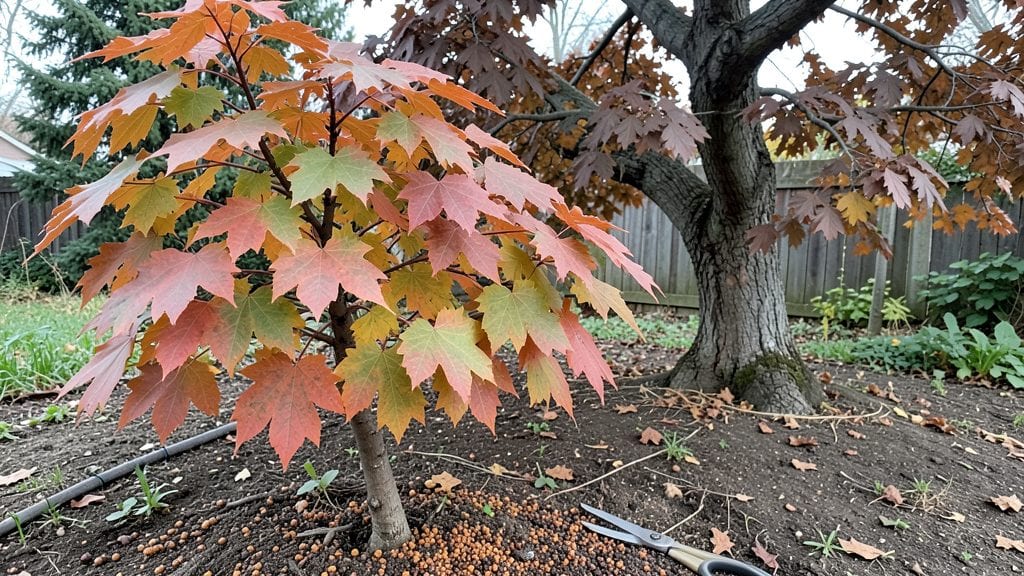
Autumn fertilizer for gardens boosts root growth and winter hardiness by applying slow-release nutrients like compost, bone meal, or balanced organic blends before the first frost. Focus on phosphorus and potassium to strengthen plants for dormancy, while avoiding high-nitrogen fertilizers that promote late-season leafy growth instead of root development.
Fall is the perfect time to prepare your plants for winter by feeding them the right nutrients. 🌱 The key is to use fertilizers rich in phosphorus and potassium, which help roots store energy and toughen up against cold weather.
I always recommend organic options like compost or bone meal—they release nutrients gradually, giving plants just what they need without overwhelming them. This approach ensures your garden stays healthy even when temperatures drop.
Timing matters too—aim to fertilize about 6-8 weeks before the first frost. This gives plants enough time to absorb nutrients and prepare for dormancy. For container gardens, you might need to adjust slightly since they cool down faster than in-ground plants.
The goal is to avoid late-season leafy growth, which can make plants more vulnerable to frost damage.
💡 In This Article
- Science Behind Autumn Fertilizing for Plant Resilience
- Best Autumn Fertilizers and Application Timeline
Science behind autumn fertilizing for plant resilience
Here's what's actually happening in your soil when you apply autumn fertilizer: cooler temperatures trigger plants to shift their energy from leaf production to root development and energy storage. This process is called autumnal senescence, where plants naturally prepare for dormancy.
The key nutrients—phosphorus (P) and potassium (K)—play specific roles: phosphorus helps roots grow deeper and store carbohydrates, while potassium regulates water movement and cold resistance in cell membranes.
Unlike spring, when nitrogen (N) drives leafy growth, autumn fertilization focuses on these two elements to build resilience.
The science gets even more interesting when you consider soil microbes. In cooler weather, microbial activity slows down, but beneficial fungi and bacteria still break down organic matter at a steady pace.
When you add compost or bone meal in autumn, these microbes work gradually, releasing nutrients just as plants need them during their dormancy preparation. This slow-release mechanism is why organic fertilizers outperform synthetic quick-release options in fall—they match the plant's natural metabolic slowdown.
For example, bone meal (rich in phosphorus) can take 3-6 months to fully dissolve, perfectly timed for winter survival.
What most people don't realize is that autumn fertilization actually improves soil structure for winter. The potassium in your fertilizer helps stabilize soil aggregates, preventing compaction from rain or frost. This creates tiny air pockets that roots can use to breathe even when the ground is cold.
Think of it like giving your plants a cozy, well-ventilated basement to hibernate in—dry but not frozen, with all the nutrients they need at their fingertips. The texture of well-amended soil becomes slightly looser, almost like crumbly cake batter, which is ideal for root exploration.
There's a common misconception that applying fertilizer in autumn means "over-feeding" plants before they go dormant. In reality, the right balance of phosphorus and potassium actually helps plants regulate their metabolic processes. Too much nitrogen in fall would indeed cause late-season growth, making plants more vulnerable to frost damage.
But the proper P-K ratio (often 5-10-10 or 0-0-50) signals plants to focus on root development and energy storage rather than leaf production. This is why organic blends with 2-3% phosphorus and 4-6% potassium are ideal—they provide just enough to trigger these protective mechanisms without causing stress.
Let's compare this to spring fertilization for a moment. In spring, we prioritize nitrogen to fuel rapid leaf and stem growth, creating the lush foliage we see in summer.
But in autumn, the priority shifts to phosphorus and potassium because these elements help plants build glycogen reserves—their version of winter savings accounts. These reserves fuel early spring growth before the plant can access soil nutrients again.
It's like giving your plants a financial cushion to weather the economic downturn of winter. The result? Healthier roots, stronger stems, and plants that bounce back faster in spring.
One fascinating detail is how temperature affects nutrient uptake. Studies show that plants absorb phosphorus most efficiently when soil temperatures are between 50-65°F—perfect for autumn application in most climates. Below 40°F, uptake slows dramatically, which is why timing is everything.
This is also why we recommend applying fertilizer 6-8 weeks before frost: it gives plants enough time to absorb what they need while avoiding the nutrient "rush" that can occur if applied too late.
The microbial activity in soil drops by 50% or more when temperatures fall below 50°F, which is why organic matter breaks down more slowly in autumn—a built-in slow-release system.