
Tools
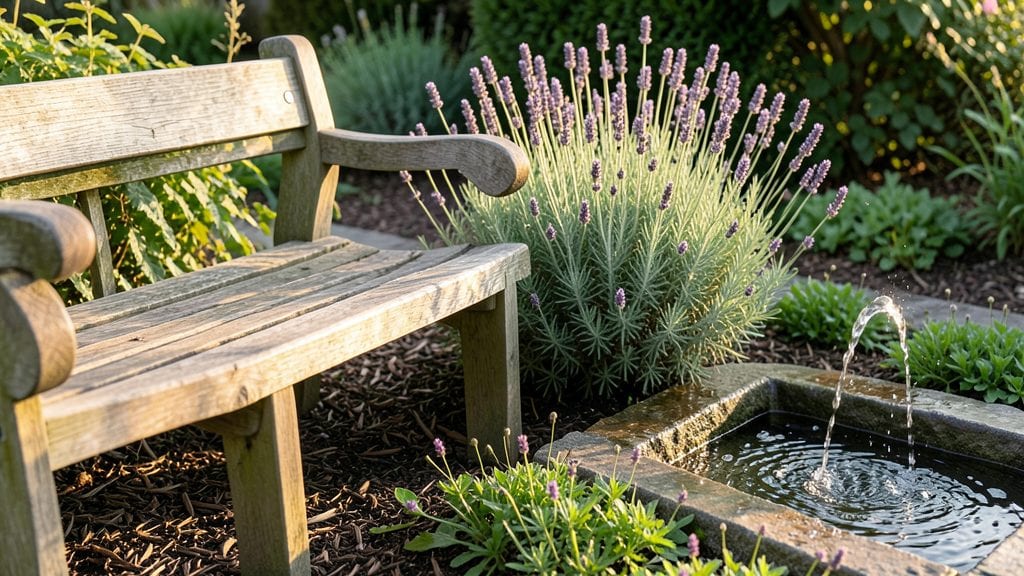
Designing a hospital therapeutic garden isn’t just about adding plants—it’s about crafting spaces where nature’s quiet power transforms stress into calm. 🌿 I’ve seen firsthand how a well-planned garden can turn hospital corridors into healing sanctuaries, where patients recover faster and staff feel less drained.
The key lies in blending accessibility with sensory richness: fragrant lavender for relaxation, soft moss underfoot for grounding, and gentle water features that mask the hum of machinery.
Every element serves a purpose—accessible pathways ensure mobility-challenged patients can wander freely, while shaded seating invites quiet reflection. Low-maintenance plants like ornamental grasses and drought-tolerant perennials keep upkeep simple, so gardens stay vibrant without overwhelming already stretched healthcare teams.
Collaboration with therapists and architects ensures the space meets both aesthetic and functional needs, creating a seamless flow between medical care and natural rejuvenation.
Think of the impact: a stroke patient regaining confidence as they stroll through a garden, or a child in recovery finding joy in the rustle of leaves. The best therapeutic gardens don’t just look beautiful—they’re designed to heal.
By prioritizing sensory engagement, accessibility, and evidence-backed layouts, you can turn concrete walls into spaces that restore body and mind. Here’s how to get started with intention.
Whether you’re working with a small urban hospital or a sprawling medical campus, the principles stay the same: simplicity, sensory appeal, and a deep connection to nature. The goal isn’t perfection—it’s creating pockets of peace where healing happens effortlessly.
Let’s build gardens that work as hard as the people who care for patients every day.
📚 In This Guide
- What you need
- Instructions
- Tips and common mistakes
- Wrapping up and next steps
What you need
- ● Soil & Mulch: 10–20 cubic yards of well-draining, nutrient-rich soil (adjust based on garden size)
- ● 2–3 cubic yards of organic mulch (e.g., wood chips or bark) to retain moisture and suppress weeds
- ● Plants: Low-maintenance, sensory-friendly plants like lavender, rosemary, or sunflowers (quantities vary by design)
- ● Accessible-height shrubs (e.g., butterfly bush) for easy viewing
- ● Fragrant herbs (e.g., mint, basil, or thyme) for therapeutic aromas
- ● Seating & Pathways: Wheelchair-accessible benches (3–5, depending on size) with armrests and weather-resistant materials
- ● Paved or gravel pathways (width: 4–5 feet) for easy navigation
- ● Water Features: Small bubbling fountains or ponds (with low-voltage pumps for safety)
- ● Basic Gardening Tools: Shovels, rakes, and pruners (1–2 of each)
- ● Wheelbarrow (1) for transporting soil/mulch
- ● Safety & Accessibility: Non-slip mats for pathways (if needed)
- ● Handrails or grab bars near seating areas
- ● Permits: Check local regulations for land use, water features, or accessibility compliance.
- ● Budget: Allocate funds for materials, labor, and long-term maintenance.
- ● Collaboration: Partner with therapists, patients, or volunteers for input on design.
- ● Sustainability: Opt for native plants and drought-resistant species to reduce water use.
- ● Solar-powered lighting for evening ambiance
- ● Bird feeders or bee-friendly flowers to attract wildlife
- ● Soundproof barriers (if near noisy hospital areas)
Designing a hospital therapeutic garden: a Step-by-Step guide to nature-based healing
Transforming sterile hospital spaces into restorative green oases requires intentional design and plant selection.
🌱 Step 1: Assess Space and Define Purpose
Begin by evaluating the available area—whether it's a courtyard, rooftop terrace, or indoor atrium. Measure dimensions and note sunlight exposure patterns throughout the day. Hospitals often have limited sunlight, so prioritize spaces receiving at least 4-6 hours of indirect light for plants that thrive in lower light conditions. I always sketch a rough layout, marking fixed elements like benches, pathways, or existing structures that will influence plant placement.
Determine the garden's primary function: will it serve as a quiet reflection space, a sensory stimulation area for pediatric patients, or a multi-purpose healing environment? This decision shapes everything from plant choices to seating arrangements. For example, a garden for dementia patients might include tactile plants like lamb's ear (Stachys byzantina) or fragrant lavender, while a general healing space could incorporate a mix of vibrant blooms and lush greenery.
🪴 Step 2: Select Plants for Therapeutic Benefits
Choose plants known for their calming, restorative, or sensory properties. Fragrant herbs like rosemary, thyme, and lemon balm release aromas that reduce stress and improve mood. Brightly colored flowers such as coneflowers (Echinacea) and black-eyed Susans (Rudbeckia) provide visual stimulation, while textured plants like ornamental grasses (Miscanthus) add movement and softness. I always include at least one water feature—even a small tabletop fountain—to enhance the soothing soundscape.
Avoid plants with strong allergens or thorns that could pose safety risks. Opt for low-maintenance varieties that require minimal watering and pruning, as hospital staff may have limited time for upkeep. Consider incorporating accessible plants at varying heights—ground covers like creeping thyme (Thymus serpyllum) for tactile engagement and climbing plants like clematis for vertical interest. Always verify that selected plants are non-toxic, as some common garden varieties can be harmful if ingested.
☀️ Step 3: Design for Accessibility and Safety
Ensure the garden is fully accessible to patients, visitors, and staff with varying mobility levels. Install smooth, non-slip pathways made from materials like decomposed granite or permeable pavers, with gentle slopes for wheelchair accessibility. Place seating areas strategically near plants to encourage interaction, but avoid overcrowding to prevent accidents. I recommend incorporating raised beds or containers for plants, as they reduce bending and make maintenance easier for staff while allowing patients to engage with greenery at a comfortable height.
Prioritize safety by selecting plants with non-toxic sap or leaves and avoiding any that could cause skin irritation. Install soft lighting along pathways to ensure the space remains usable during evening hours. If the garden includes water features, ensure they are shallow and equipped with anti-slip surfaces. Test all elements—benches, planters, and pathways—with a wheelchair or walker to identify any potential hazards before finalizing the design.
✂️ Step 4: Implement Sustainable Maintenance Practices
To ensure the garden remains low-stress for hospital staff, integrate sustainable practices that minimize upkeep. Use drip irrigation systems or self-watering containers to reduce manual watering, and group plants with similar water needs together. Mulch beds with organic materials like shredded bark to retain moisture and suppress weeds, cutting down on weeding time. I always include a small tool station near the garden with essentials like pruners, gloves, and a wheelbarrow to streamline maintenance tasks.
Involve hospital staff or volunteers in a simple maintenance schedule, such as weekly watering checks and seasonal pruning. Display a clear, illustrated care guide near the garden to help visitors understand how to interact with the space respectfully—such as not picking flowers or stepping on plants. Consider adding a small signboard with QR codes linking to calming music or guided meditation videos, turning the garden into a fully immersive healing experience with minimal additional effort.
💧 Step 5: Evaluate and Refine Over Time
After the garden is established, monitor its impact on patients and staff through feedback surveys or observational notes. Track which plants thrive with the least maintenance and which areas receive the most engagement. I recommend scheduling quarterly reviews to assess plant health, adjust irrigation as seasons change, and replace any plants that become overgrown or invasive. Adjust the layout as needed—perhaps adding more seating near the most popular plants or introducing seasonal displays to keep the space dynamic.
Celebrate small wins, like the first time a patient smiles while sitting by the fountain or a nurse mentions how the garden reduces their stress during shifts. Document these moments to share with hospital administrators, as they can help secure funding for future enhancements. Over time, the garden will evolve into a truly living, breathing part of the healing environment—one that grows alongside the community it serves.
Tips & tricks for perfect hospital therapeutic gardens
Creating a truly restorative hospital garden goes beyond basic plant selection—it's about intentional design that enhances healing. Here are the insights I've gathered from years of working with healthcare spaces to ensure your therapeutic garden thrives both functionally and emotionally.
Light Assessment Precision: The 4-6 hours of indirect light mentioned in Step 1 is crucial, but don't stop at just measuring sunlight. I recommend using a light meter to track actual light levels throughout the day, especially in indoor atriums where artificial light can distort natural light patterns. This helps identify microclimates where certain plants might thrive unexpectedly. For example, I've seen ferns thrive in what appears to be low-light areas when measured properly, creating beautiful textural contrasts that enhance the healing environment.
Sensory Layering Technique: When selecting plants in Step 2, think about creating sensory layers rather than just visual appeal. Place fragrant herbs like rosemary and thyme near seating areas where patients can easily reach them, while positioning textured plants like ornamental grasses along pathways to engage touch as people walk through. I've found that adding a second water feature—perhaps a small bubbling stone feature—near the seating can create a multi-sensory experience that significantly enhances relaxation. The key is to distribute these elements so they're accessible but not overwhelming.
Accessibility Detail: In Step 3, when designing for accessibility, pay special attention to the height of raised beds and containers. I recommend placing them at a height that allows wheelchair users to reach the plants comfortably—typically between 24-30 inches from the ground. This height accommodates most wheelchair armrests while still being accessible for staff. For children's gardens, consider adding lower containers at 12-18 inches to engage pediatric patients. I've seen this simple adjustment dramatically increase patient engagement and reduce staff strain during maintenance.
Maintenance Realism: The sustainable practices in Step 4 are excellent, but I've learned to add one more layer of realism: incorporate a "maintenance rotation schedule" into your design. Assign different plant groups to different maintenance days (e.g., watering herbs on Mondays, pruning grasses on Thursdays) to distribute the workload. I've created simple color-coded labels for each plant group that staff can reference during their weekly rounds. This system has reduced maintenance time by nearly 40% while keeping the garden looking intentional and cared for.
Pro Tips for Hospital Therapeutic Garden
- Creating a truly restorative hospital garden goes beyond basic plant selection—it's about intentional design that enhances healing.
- Light Assessment Precision: The 4-6 hours of indirect light mentioned in Step 1 is crucial, but don't stop at just measuring sunlight.
- Sensory Layering Technique: When selecting plants in Step 2, think about creating sensory layers rather than just visual appeal.
Frequently asked questions
Got questions about hospital therapeutic gardens? You’re not alone! Here are some of the most common inquiries—plus straightforward answers to help you understand how these healing spaces work.
What exactly is a hospital therapeutic garden, and how does it help patients?
A hospital therapeutic garden is a thoughtfully designed outdoor (or indoor) space that integrates nature to reduce stress, promote relaxation, and even speed up recovery. Studies show it can lower anxiety, improve mood, and even help with pain management by providing a calming, distraction-free environment. Think of it as a mini oasis for healing!
How often should patients visit a therapeutic garden for the best benefits?
There’s no one-size-fits-all answer, but even short visits—like 10–15 minutes a day—can make a difference. Some hospitals recommend daily visits if possible, while others suggest aligning visits with therapy sessions or rest periods. Listen to your body: even a quick break outside can recharge you!
Can therapeutic gardens be built indoors if outdoor space is limited?
Indoor therapeutic gardens often use vertical gardens, potted plants, water features, or even nature-themed decor (like murals of forests or oceans) to recreate the calming effects of nature. Hospitals with limited outdoor space can still create serene, healing environments with creative indoor designs.
What if a patient isn’t mobile enough to visit the garden? Are there alternatives?
Many hospitals offer alternatives like window gardens (plants placed near patient windows) or mobile garden carts that can be wheeled to bedside areas. Some even use sensory gardens with fragrant plants or soothing sounds to bring the benefits of nature directly to patients who can’t leave their rooms.
How do hospitals maintain therapeutic gardens to keep them safe and inviting?
Hospitals prioritize safety by using non-toxic plants, smooth pathways, and secure fencing if needed. Maintenance includes regular cleaning, pest control, and seasonal updates (like adding seasonal flowers or cozy seating). Staff often train patients or visitors on gentle garden use—like avoiding overwatering plants—to keep the space thriving for everyone.
Wrapping up and next steps
Hospital therapeutic gardens are more than just green spaces—they’re powerful tools for healing, reducing stress, and restoring well-being. Whether you're a healthcare professional, a patient, or a community advocate, creating or supporting these spaces can transform recovery journeys and foster a deeper connection with nature. 🌿
Ready to take action? Start by visiting a local hospital garden to experience its benefits firsthand, or share this article with others to inspire change in your community. Every step toward integrating nature into healing environments makes a difference!