
Size
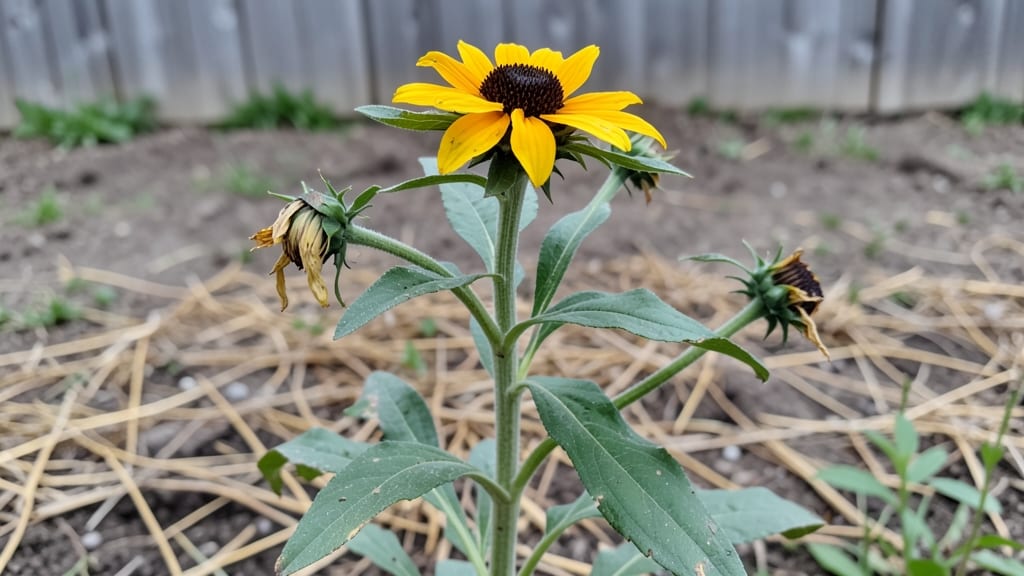
The average size of a garden for a single-family home typically ranges between 500 to 1,000 square feet, though urban gardens often measure 100 to 300 square feet. Larger suburban or rural plots can extend up to 5,000 square feet or more for full-scale landscaping and vegetable production.
Garden size isn't just about space—it's about maximizing what you can grow based on your lifestyle. A 500-square-foot plot can easily support a family's vegetable needs, while a 200-square-foot urban patch might focus on herbs and container plants.
I've seen 1,000-square-foot gardens thrive with raised beds and companion planting, proving that efficient design matters more than sheer acreage. 🌿
For larger properties, the possibilities expand dramatically—think dedicated fruit tree rows or expansive flower borders. But even in tight spaces, vertical gardening and smart zoning can turn limited square footage into a productive green oasis.
The key is matching your garden's scale to your goals, whether that's fresh herbs, year-round veggies, or simply curb appeal. 💫
💡 In This Article
- Factors Influencing Garden Size Planning
- Designing Functional Garden Spaces by Size
Factors influencing garden size planning
Climate plays a dominant role in determining garden dimensions. In USDA Hardiness Zones 3-5 (northern regions), gardeners often allocate more space for cold-hardy perennials and winter crops, which can extend active growing seasons.
For example, a 1,000-square-foot garden in Minnesota might include dedicated rows for kale and Brussels sprouts, while a similar-sized plot in Zone 9 (Southern California) would prioritize tomatoes and peppers that thrive in warmer conditions.
The growing season length—measured in frost-free days (120-200 days in Zone 5 vs. 300+ in Zone 9)—directly impacts how much you can grow vertically or horizontally.
Property shape creates unique spatial challenges. A long, narrow backyard (common in urban/suburban lots) forces creative layouts like raised beds along fences or vertical trellises for vining plants. Meanwhile, square or rectangular plots allow for classic grid designs with 4-foot-wide paths between beds—ideal for wheelbarrow access.
Soil quality also dictates size: Clay-heavy soils may require 20-30% more space for crops to compensate for slower drainage, while loamy soils (like those in Long Island, NY or Willamette Valley, OR) support denser planting.
Sunlight exposure is the single most critical factor. Most vegetables need 6-8 hours of direct sun daily, so a 500-square-foot plot in a shaded yard might only yield 200-300 square feet of usable space.
Microclimates—like the 3-5°F warmer temperatures near south-facing walls—can create "sun pockets" where you can squeeze in extra rows. Shade-tolerant plants (like lettuce or Swiss chard) can fill gaps, but their yields will be 30-50% lower compared to full-sun conditions.
Local zoning laws often impose invisible boundaries. Some municipalities limit garden height (6 feet or less for fences/trellises) or require setbacks from property lines, eating into usable space. For instance, a 1,500-square-foot lot might only allow 800 square feet for gardening after accounting for 10-foot setbacks on all sides.
Always check HOA rules too—some prohibit raised beds over 2 feet tall without permits. These regulations can shrink effective garden size by 20-40% in restrictive areas.
Seasonal variations demand flexible planning. A 1,000-square-foot garden in Zone 7 might dedicate 400 square feet to cool-season crops (spring/fall) and 600 square feet to warm-season plants (summer), with rotation systems to prevent soil depletion.
In Mediterranean climates (like Santa Barbara, CA), winter rainfall allows for larger perennial beds, while summer droughts limit irrigation-dependent crops to 30% of the total space. Understanding these rhythms helps maximize productivity without overcommitting to space.
Don't overlook the "hidden" factors like water access. A 200-square-foot urban garden near a hose bib can support container gardening, while a 3,000-square-foot rural plot might need 500 feet of irrigation piping—adding logistical constraints.
Prioritize high-value crops (like herbs or salad greens) in tight spaces where water is limited, and reserve larger areas for thirsty plants (corn, sunflowers) near reliable water sources. 🌱