
Tools
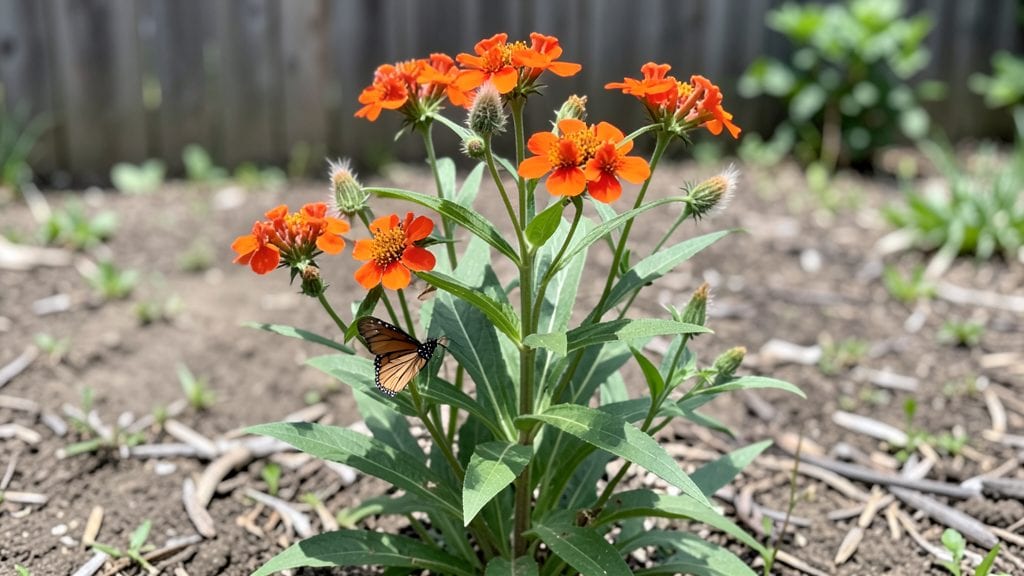
A backyard milkweed garden isn't just a plot—it's a lifeline for monarch butterflies and a showstopper for your outdoor space. 🌿 I designed mine after watching our local monarch population vanish, and now my yard buzzes with orange wings from spring through fall.
The secret lies in choosing the right varieties, spacing them properly, and pairing them with pollinator-friendly neighbors that extend the blooms all year.
You'll need just a few key elements: native milkweed species suited to your zone, a sunny spot with well-draining soil, and some companion plants like coneflowers or bee balm to keep the nectar flowing when milkweed isn't in bloom.
Most people underestimate how easy it is to create this habitat—my first garden started with just three plants and now covers half my backyard. The best part? It requires almost no maintenance once established.
What you'll end up with is a garden that thrives on its own while giving back to nature. Imagine waking to monarchs fluttering over fresh green leaves in May, then watching caterpillars munch through the foliage before transforming into butterflies by summer.
The scent of blooming milkweed—sweet and earthy—becomes the signature fragrance of your outdoor space. This isn't just gardening; it's conservation in action.
Works equally well in suburban backyards, rural fields, or even large containers on patios. The layout adapts to your space while keeping the ecological benefits intact. Let's get your milkweed haven planned!"
📚 In This Guide
- What you need
- Instructions
- Tips and common mistakes
- Wrapping up and next steps
What you need
- ● Milkweed seeds: 10–20 seeds per plant (choose native species like Asclepias tuberosa or Asclepias syriaca for best results).
- ● Well-draining soil: Mix 60% native topsoil with 40% compost or sand (avoid heavy clay).
- ● Sunlight spot: A full-sun area (6+ hours of direct light daily).
- ● Watering can or hose: For gentle, deep watering (1–2 inches per week).
- ● Garden gloves: To protect hands while handling soil/seeds.
- ○ Stakes or small flags: (Optional but helpful) to mark seedling spots.
- ● Hand trowel: For planting seeds (3–4 inches deep).
- ● Pruners: For trimming dead foliage or shaping plants.
- ● Mulch (straw or wood chips): To retain moisture and suppress weeds.
- ● Pest control (neem oil or insecticidal soap): For occasional aphid/mite issues.
- ● Notebook: To track blooms, seed pods, and monarch visits!
- ● 💡 Start seeds indoors 6–8 weeks before last frost for a head start.
- ● 🌡️ Plant in spring or fall—avoid summer heat stress for seedlings.
- ● 🎯 Choose diverse milkweed species to attract more butterflies!
Step-by-Step instructions for planting a backyard milkweed garden
Here's how to create a thriving monarch haven that blooms from spring through fall.
🌱 Step 1: Choose Your Milkweed Varieties
Start by selecting 4 different milkweed species—this ensures continuous blooms and supports monarchs at every life stage. I recommend common milkweed (Asclepias syriaca) for tough, drought-resistant plants, butterfly weed (Asclepias tuberosa) for bright orange flowers, swamp milkweed (Asclepias incarnata) for moist areas, and poke milkweed (Asclepias exaltata) for tall, shade-tolerant growth.
Check your local nursery for native species—monarchs have evolved to rely on local milkweeds, and non-native varieties won’t support their caterpillars. If you're unsure, ask staff for USDA-approved native milkweeds in your region. This step is critical: the wrong plant means no monarchs.
🪴 Step 2: Prepare Planting Sites
Milkweed thrives in full sun to partial shade—at least 6 hours of sunlight daily for best blooms. Clear the area of weeds and loosen the soil to a depth of 12 inches using a garden fork. Mix in 2 inches of compost to improve drainage, especially for swamp milkweed, which prefers moist soil.
Space plants 3-4 feet apart to allow room for mature growth. If planting in dry, sandy soil, add a 2-inch layer of mulch (like wood chips) to retain moisture. Avoid heavy clay soil—milkweed roots rot easily when waterlogged. Test your soil’s drainage by digging a hole, filling it with water, and checking if it drains within 1 hour. If not, amend with sand or plant in raised beds.
☀️ Step 3: Plant and Water for Establishment
Dig holes twice as wide as the root ball but only as deep as the container. Gently remove the plant from its pot and loosen any circling roots with your fingers. Place the milkweed in the hole, backfill with soil, and water deeply until the soil is saturated to 6 inches down. This ensures roots make contact with moisture right away.
After planting, water every 2-3 days until new growth appears—about 4-6 weeks. You’ll know it’s working when you see bright green leaves emerging. Avoid overhead watering once leaves appear; water at the base to prevent fungal diseases like powdery mildew, which can weaken plants before they even bloom.
✂️ Step 4: Maintain for Year-Round Blooms
Once established, milkweed needs minimal care—just deadhead spent flowers in early fall to encourage a second flush of blooms. Leave seed pods on the plant until they turn brown; monarchs lay eggs on them, and the seeds feed birds in winter. Fertilize once in early spring with a low-nitrogen, balanced fertilizer (like 5-5-5) to promote flowering without excessive leaf growth.
Watch for milkweed beetles—tiny black-and-yellow insects that chew leaves. If you see them, handpick and drop them in soapy water. They’re not harmful but can defoliate plants if unchecked. In late winter, trim back dead stems to 6 inches tall to encourage fresh, vigorous growth. This garden will thrive with almost no effort after the first year.
Tips & tricks for perfect backyard milkweed gardens
Creating a thriving monarch haven doesn't have to be complicated—these practical tips will help you avoid common pitfalls and maximize your garden's potential.
Species Diversity Matters: In Step 1, selecting four different milkweed species ensures continuous blooms throughout the growing season. I've found that butterfly weed (Asclepias tuberosa) often blooms first in spring, while common milkweed (Asclepias syriaca) provides late-season flowers when monarchs need them most. This diversity also supports different monarch life stages—eggs, caterpillars, and adults all need specific milkweed types at different times.
Soil Preparation is Key: When preparing your planting sites in Step 2, don't skip the soil drainage test. I've learned the hard way that milkweed roots rot quickly in waterlogged soil. The 1-hour drainage test is crucial—if water doesn't drain within that time, amend with sand or create raised beds. For swamp milkweed specifically, add an extra inch of compost to retain moisture without creating soggy conditions.
Watering Wisdom: The 4-6 week watering schedule in Step 3 might seem long, but it's essential for root establishment. Water deeply every 2-3 days until you see bright green leaves emerge. Here's a trick I use: water in the early morning so the foliage dries quickly, which helps prevent fungal diseases like powdery mildew that can weaken young plants before they even bloom.
Maintenance Made Easy: Once established, milkweed truly is low-maintenance. The early fall deadheading in Step 4 encourages a second flush of blooms that monarchs will appreciate. I've noticed that leaving seed pods until they turn brown actually benefits your garden—birds will feed on the seeds in winter, and monarchs will lay eggs on them in spring. It's nature's way of rewarding your efforts!
Pro Tips for Backyard Milkweed Garden
- Creating a thriving monarch haven doesn't have to be complicated—these practical tips will help you avoid common pitfalls and maximize your garden's potential.
- Species Diversity Matters: In Step 1, selecting four different milkweed species ensures continuous blooms throughout the growing season.
- Soil Preparation is Key: When preparing your planting sites in Step 2, don't skip the soil drainage test.
Frequently asked questions
Got questions about creating your own backyard milkweed garden? You’re not alone—many gardeners are eager to help monarchs thrive but want to know the best ways to do it. Here are answers to the most common queries to set you up for success!
What’s the best time of year to plant milkweed?
Plant milkweed seeds in early spring (after the last frost) or late summer for fall blooms. Native milkweed (like Asclepias tuberosa) grows best from seeds sown in spring, while tropical varieties (e.g., Asclepias curassavica) can be planted year-round in warm climates. For fastest results, start seeds indoors 6–8 weeks before the last frost.
Will milkweed attract pests other than monarchs?
Yes! Milkweed is a magnet for monarch caterpillars, but it may also draw aphids, spider mites, or leaf-footed bugs. Most pests are harmless to your garden, and monarchs will still thrive. Spray off aphids with water or introduce ladybugs for natural control. Avoid pesticides—monarchs are picky about where they lay eggs!
Can I grow milkweed in containers or small spaces?
Dwarf varieties like Asclepias curassavica (tropical milkweed) or Asclepias incarnata (swamp milkweed) thrive in pots (12"+ deep) with well-draining soil. Ensure containers get 6+ hours of sun daily. Just remember: Container-grown milkweed may need more frequent watering and fertilizer (use a low-nitrogen option).
How do I protect milkweed in winter?
Most native milkweed (e.g., Asclepias tuberosa) dies back in winter but regrows from roots. In cold climates, mulch the base with straw or leaves (3–4 inches deep) to insulate roots. Tropical milkweed (Asclepias curassavica) is evergreen in mild winters but may need winter protection in Zone 7 or colder. Cut back dead foliage in early spring to encourage new growth.
What if my milkweed isn’t blooming?
Milkweed blooms best with full sun (6+ hours/day) and well-draining soil. Over-fertilizing (especially with nitrogen) can reduce flowers—use a balanced or low-nitrogen fertilizer instead. Deadhead spent blooms to encourage more flowers, and ensure your variety is not a sterile cultivar (some nursery plants are bred for looks, not pollinators). Patience helps too—established plants often bloom more reliably!
Still stumped? Drop your question in the comments—we’re happy to help you create a monarch-friendly oasis!
Wrapping up and next steps
Creating a backyard milkweed garden isn’t just a rewarding project—it’s a legacy for monarch butterflies and your local ecosystem. 🌿 With the right plants, soil, and care, you’ll enjoy vibrant blooms and become a hero to pollinators. Start small, stay consistent, and watch your garden thrive!
Ready to take the next step? Pick your favorite milkweed variety and grab those seeds—your monarch haven awaits! 🌸