
Companion Plants
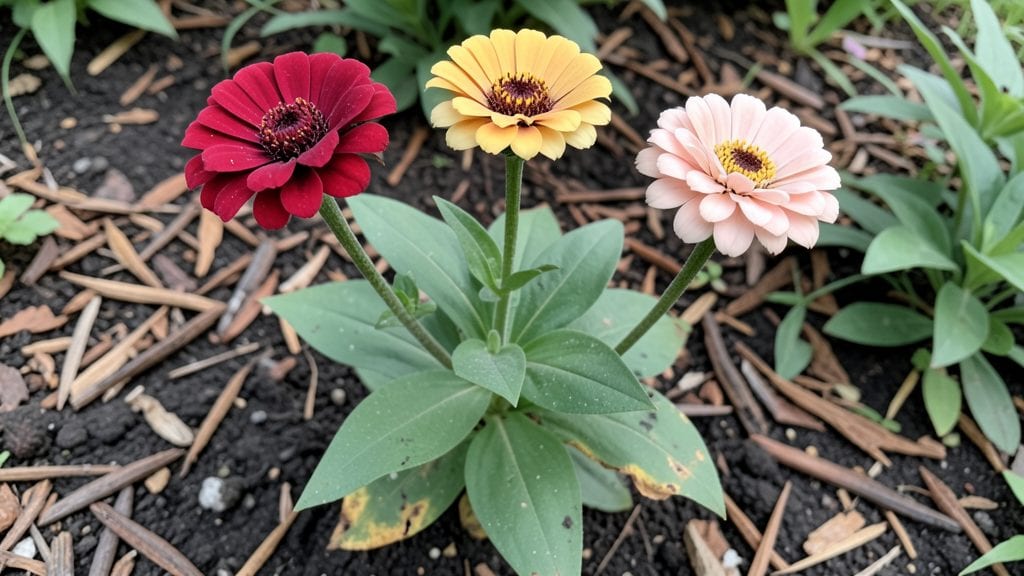
Your first garden doesn't need to be complicated—just start with these beginner garden plants that practically grow themselves. 🌱 I planted my first garden with just three of these, and by midsummer, I was harvesting more than I'd expected.
The key is choosing plants that forgive mistakes, shade fluctuations, and occasional forgetfulness.
These low-maintenance picks thrive in average soil, need minimal watering once established, and handle pests better than fussy varieties. Think lettuce that bolts slowly, bush beans that climb without support, and zucchini that produces so much you'll need to share.
Even herbs like basil and parsley grow reliably with basic care—just don't drown them.
By midseason, you'll have a garden that looks shockingly lush for a beginner. The lettuce stays crisp, the beans snap fresh, and the zucchini vines sprawl with fruit.
The best part? You'll learn what works in your space without the stress of trial and error. Let's get those plants in the ground!
Works in containers, raised beds, or in-ground plots—no special equipment needed. Here's how to pick the right varieties for your sunlight and space, plus the one care tip that saves 90% of new gardeners from frustration.
📚 In This Guide
- What you need
- Instructions
- Tips and common mistakes
- Wrapping up and next steps
What you need
- ● Seedlings or seeds: Choose 3–5 easy-to-grow plants (e.g., lettuce, marigolds, or basil). Start with 1–2 packs of seeds or 3–5 small pots of seedlings.
- ● Containers or garden bed: For containers: 5–10 pots (5–10 inches wide) with drainage holes, or a raised bed (at least 6 inches deep).
- ● For in-ground planting: A small patch (2’x2’ or larger) with loose, well-draining soil.
- ● Potting soil: 1–2 bags of lightweight, organic potting mix (avoid garden soil—it’s too dense!).
- ● Basic tools: 1 small hand trowel (for planting/seeding).
- ○ 1 pair of gardening gloves (optional but handy!).
- ● 1 watering can or hose with a gentle spray nozzle.
- ● Fertilizer: A balanced, slow-release granular fertilizer (e.g., 10-10-10) or organic compost.
- ● Mulch: Straw or shredded leaves to retain moisture and suppress weeds.
- ● Plant markers: Popsicle sticks or labels to track what you’ve planted.
- ● Sunlight meter: A free app (like Sun Surveyor) to check your garden’s light conditions.
- ● Knee pad or stool: For comfort during planting!
Step-by-Step guide to selecting and planting beginner garden plants
Start with these resilient picks that reward patience with minimal fuss.
🌱 Step 1: Choose Plants for Your Growing Conditions
Begin with plants that match your space and climate. Sunlight is the biggest factor: full sun (6+ hours) suits tomatoes, peppers, and marigolds, while partial shade (3-6 hours) works for lettuce, spinach, and pansies. Check your yard's light exposure by observing where shadows fall at midday—this determines your planting zones.
Soil type matters too. Well-draining soil is critical for herbs like basil and rosemary, while moist, rich soil suits leafy greens. If your soil is heavy clay, amend it with 2-3 inches of compost before planting. I always test drainage by filling a hole with water—if it drains in under an hour, it’s safe for most plants.
🪴 Step 2: Prepare the Planting Area
Clear the area of weeds and debris, then loosen the top 6-8 inches of soil with a garden fork or tiller. This aerates the soil, helping roots penetrate easily. For container gardening, use sterile potting mix in pots with drainage holes—no garden soil needed. I mark planting spots with a stick or small flag to avoid overcrowding.
For in-ground planting, dig holes twice as wide as the root ball but only as deep as the plant’s container. Gently remove plants from their pots, tease apart tangled roots, and place them in the hole so the top of the root ball sits level with the soil surface. Press soil firmly around the base to eliminate air pockets.
☀️ Step 3: Plant with Proper Spacing and Watering
Follow spacing guidelines on seed packets or plant tags—crowding invites disease and competition. For example, tomato plants need 18-24 inches apart, while lettuce thrives 6-12 inches apart. Use a ruler or measuring tape to ensure consistency. I always plant in a grid pattern for easier maintenance.
Water deeply right after planting to settle the soil and eliminate air gaps. First watering should soak the root zone to 12 inches deep—check by probing the soil with a finger. Avoid overhead watering, which can spread disease; instead, water at the base. Mulch with 2-3 inches of organic mulch (like straw or shredded leaves) to retain moisture and suppress weeds.
💧 Step 4: Establish a Basic Care Routine
Consistency is key for beginners. Water deeply 1-2 times per week, depending on rainfall, until the top 2 inches of soil feel dry. Early morning watering prevents fungal issues, and drip irrigation or soaker hoses deliver moisture directly to roots. I set a reminder on my phone to avoid skipping watering days.
Fertilize lightly at planting and again 4-6 weeks later with a balanced, slow-release fertilizer (like 10-10-10). Over-fertilizing burns roots, so follow package rates precisely. Watch for pests like aphids or slugs—remove them by hand or use neem oil for organic control. Healthy plants resist most pests naturally.
✂️ Step 5: Monitor and Adjust as Plants Grow
Check plants daily for the first week, then 2-3 times weekly afterward. Look for signs of stress: yellowing leaves (overwatering or nutrient deficiency), wilting (underwatering or heat stress), or stunted growth (poor soil or pests). Adjust care based on what you observe—more shade, less water, or a side-dressing of compost often fixes issues.
Harvest regularly to encourage growth. Leafy greens like spinach can be cut 2 inches above the soil, while herbs thrive when pinched back just above a set of leaves. Prune dead or diseased foliage immediately to prevent spread. By summer’s end, you’ll have a thriving garden with confidence to expand next season.
Tips & tricks for perfect beginner garden planting
Here's what nobody tells you about creating a foolproof garden—these tricks will help you avoid the most common beginner mistakes and set your plants up for success.
Soil Testing Secret: Before planting, perform this simple test to avoid soggy roots: Dig a hole about 12 inches deep and fill it with water. If the water drains completely within an hour, your soil has good drainage. If it pools or drains slowly, amend with 2-3 inches of compost or sand to improve aeration. This is especially critical for herbs like basil and rosemary mentioned in Step 1, which absolutely hate soggy roots.
Planting Depth Technique: When placing your plants in Step 2, use this trick to avoid planting too deep: Look for the soil line on the plant's container—this is where the roots meet the foliage. Plant so this line sits just above the surrounding soil level. Burying too deep can suffocate stems, while planting too shallow exposes roots to drying winds. For tomato plants, this means keeping that soil line visible above ground.
Watering Hack: The deep watering technique in Step 3 works best with this pro move: Use a long screwdriver or dowel to check moisture levels. Insert it vertically into the soil after watering—if it comes out clean, you've reached that 12-inch depth. For container plants, water until you see moisture running from the drainage holes. This ensures roots get properly hydrated without wasting water.
Fertilizer Timing: The 4-6 week fertilizer window in Step 4 is perfect, but here's how to make it work better: Mix a handful of compost into the soil when you plant, then use the slow-release fertilizer as directed. This gives your plants a steady nutrient supply without risking over-fertilization. I also recommend using a soil probe to check moisture before fertilizing—dry soil absorbs nutrients better than soggy soil.
Pro Tips for Beginner Garden Plants
- Here's what nobody tells you about creating a foolproof garden—these tricks will help you avoid the most common beginner mistakes and set your plants up for success.
- Soil Testing Secret: Before planting, perform this simple test to avoid soggy roots: Dig a hole about 12 inches deep and fill it with water.
- Planting Depth Technique: When placing your plants in Step 2, use this trick to avoid planting too deep: Look for the soil line on the plant's container—this is where the roots meet the foliage.
Frequently asked questions
Got questions about starting your beginner garden? You’re not alone! Here are answers to the most common concerns to help you grow with confidence.
What are the easiest plants for beginners to grow?
Start with resilient picks like snappy green beans, lettuce, radishes, or zucchini. These thrive in partial sun, tolerate occasional neglect, and produce fast results. Herbs like basil and mint are also forgiving—perfect for building confidence!
How long does it take for beginner plants to grow?
Most fast-growing veggies (like radishes or green onions) sprout in 2–4 weeks, while others (e.g., tomatoes or peppers) take 60–90 days to mature. Check seed packets for exact timelines—patience pays off!
How often should I water beginner garden plants?
Water deeply 1–2 times per week (more in heatwaves), aiming for moist (not soggy) soil. Use a finger to test moisture—if the top inch feels dry, it’s time. Drip irrigation or soaker hoses save effort by delivering consistent hydration.
What do I do if pests or diseases appear?
Act fast! Handpick pests like aphids or spray neem oil for mild infestations. For fungal issues (e.g., powdery mildew), improve airflow, avoid overhead watering, and remove affected leaves. Companion planting (e.g., marigolds with tomatoes) deters pests naturally.
Can I grow beginner plants in containers or small spaces?
Many veggies (e.g., bush beans, cherry tomatoes, or greens) thrive in 5-gallon pots. Choose lightweight containers with drainage holes, and use a balanced fertilizer every 4–6 weeks. Just ensure they get 6+ hours of sun daily.
Still unsure? Start small—even a single pot of herbs or a windowsill garden can teach you the basics!
Wrapping up and next steps
Starting your gardening journey with low-maintenance plants is a fantastic way to build confidence and enjoy nature’s rewards—without the stress! 🌱 From hardy herbs like parsley to resilient flowers such as marigolds, these picks prove that anyone can cultivate a thriving garden, even in small spaces or less-than-ideal conditions.
Ready to take the next step? Begin by selecting one or two plants from this list, grab your supplies, and give them a try! Track your progress, experiment with companion planting, and soon, you’ll be reaping the benefits of a lush, beginner-friendly garden. Happy growing! 🌿