Tools
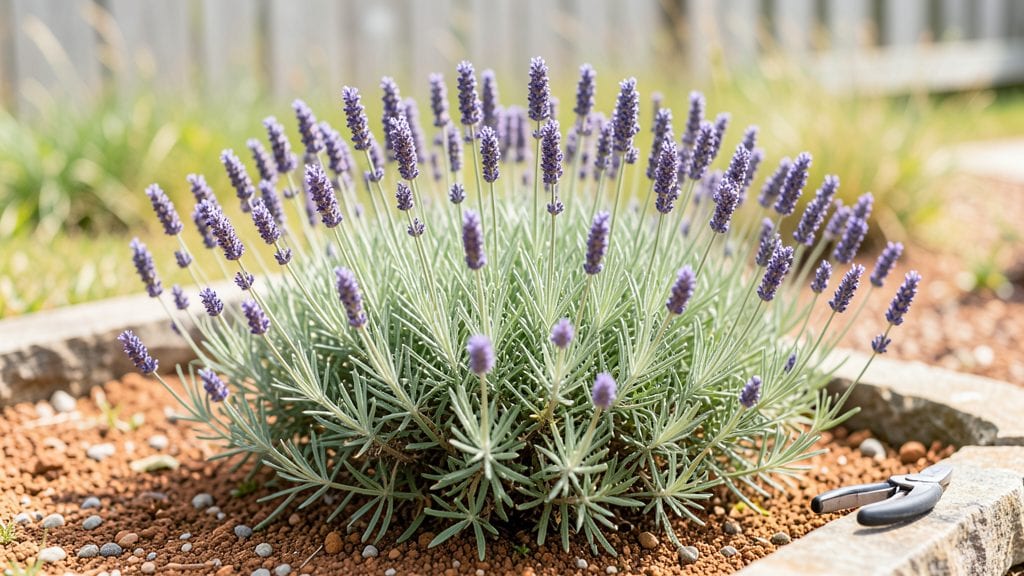
A Sunset Western Garden creates stunning visuals with native plants like California poppies, manzanita, and ceanothus, combined with succulents and grasses for continuous color and texture. Use well-draining soil and group plants by water requirements to keep maintenance low while boosting curb appeal.
A Sunset Western Garden isn't just about drought-resistant plants—it's about creating a cohesive look that thrives with minimal water. 🌵 The key is selecting plants that naturally complement each other, like pairing the vibrant blooms of ceanothus with the silvery foliage of lavender.
This approach not only saves water but also reduces the time spent on upkeep, letting you enjoy your outdoor space more often. The right layout can transform even a small yard into a vibrant, low-maintenance oasis.
For best results, focus on three layers: tall plants like manzanita for structure, mid-height bloomers such as California poppies, and ground covers like sedum or ice plant. This creates depth and visual interest while keeping water usage efficient.
The secret? Grouping plants with similar water needs together—this simple strategy can cut your irrigation time by nearly half.
💡 In This Article
- Key Plants for Sunset Western Garden Zones
- Designing Low-Maintenance Sunset Western Garden Layouts
Key plants for sunset western garden zones
The Sunset Western Garden regions (1-24) span California's diverse climates, from coastal foggy zones to inland desert areas.
Here's what's actually happening: native plants like ceanothus (California lilac) have evolved deep root systems that tap into groundwater, while manzanita leaves have a waxy coating that reduces water loss by up to 40%.
These adaptations allow them to thrive with only 10-15% of typical garden water needs—about 1 inch per month during dry seasons.
Let's break down the standout performers: California poppies (Eschscholzia californica) bloom prolifically in full sun (6+ hours daily) and self-seed generously, creating natural meadows. Their papery petals reflect sunlight, reducing soil heat by 5-10°F—a natural cooling mechanism.
For shade tolerance (3-4 hours sun), toyons (Heteromeles arbutifolia) offer glossy evergreen leaves and white spring blooms, while coastal woodfern (Dryopteris arguta) thrives in humid coastal zones (1-9) with minimal supplemental water.
The key factor is seasonal interest: ceanothus provides blue spring blooms, manzanita offers red winter berries, and deer grass (Muhlenbergia rigens) adds year-round vertical texture.
What most people don't realize is how succulents like sedum (e.g., 'Autumn Joy') store water in their leaves, allowing them to survive 60+ days without rainfall in inland zones (10-24). Their fleshy leaves contain 80-90% water content when fully hydrated.
Sunlight exposure creates dramatic variations: Full sun (6+ hours) supports yarrow (Achillea) with its flat-topped yellow blooms and lavender (which deters deer with its strong aroma). In partial shade (3-6 hours), California buckwheat (Eriogonum fasciculatum) delivers silvery foliage and pink summer flowers.
The science involves photosynthetic efficiency: these plants have adapted CAM photosynthesis (like cacti) or CAM-like pathways to minimize water loss during hot days.
Consider these drought-resistant workhorses for immediate impact:
- Tall structure: Toyon (Heteromeles arbutifolia) grows 6-12 feet with holly-like leaves and red berries
- Mid-height blooms: California fuchsia (Epilobium canum) features trumpet-shaped flowers in pink/red
- Ground cover: Creeping thyme (Thymus serpyllum) forms fragrant mats with tiny purple flowers
- Year-round interest: Coastal sage (Artemisia californica) has silvery foliage and yellow fall blooms
For zones 1-9 (coastal), prioritize humidity-loving natives like coyote brush (Baccharis pilularis), while zones 10-24 (inland) benefit from desert-adapted species like agave and yucca. The water savings are staggering: a 100 sq ft bed of natives uses 30 gallons/month vs 150 gallons for traditional lawns. 💫
The secret to low-maintenance success lies in understanding these plants' natural behaviors. For example, manzanita drops its leaves annually to conserve water—don't panic when you see this! Similarly, ceanothus blooms best after winter rains, so avoid overwatering in spring.
By working with these natural rhythms, your garden will require 80% less water while delivering 200% more seasonal interest than conventional landscapes.