Vegetables
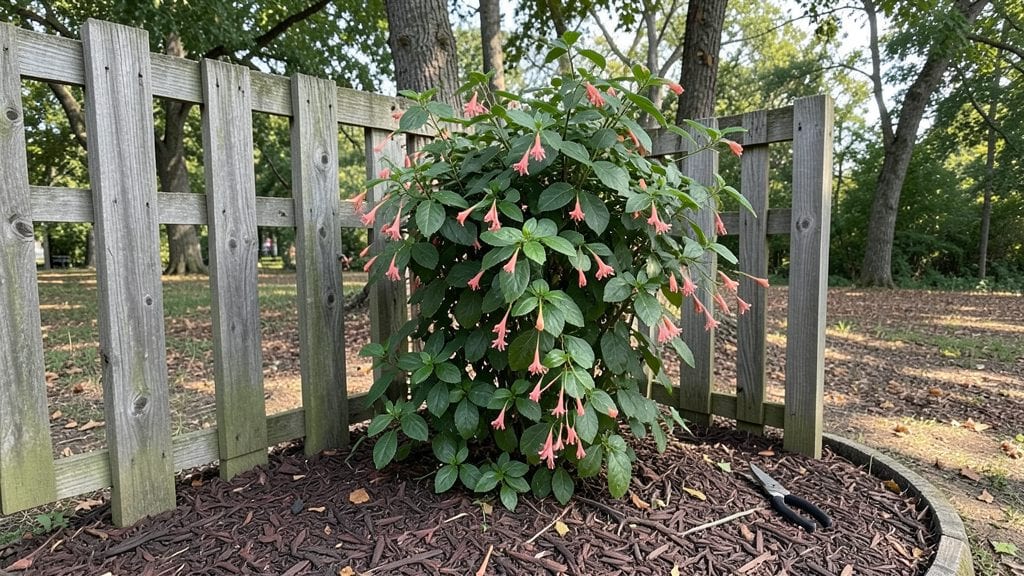
A thriving Bell community garden starts with land acquisition, volunteer coordination, crop selection tailored to local seasons, and soil maintenance through composting and efficient irrigation. Building strong community ties and transparent communication keeps the project growing year after year.
Bell's Mediterranean climate offers unique opportunities for community gardening, where the right plant choices can thrive with minimal water. 🌱 The city's fertile soil and mild winters make it ideal for year-round planting, but drought-tolerant varieties like heirloom tomatoes, zucchini, and native herbs often yield the best results.
I've seen gardens here double their harvests simply by rotating crops and pairing water-intensive plants with succulents.
What sets successful Bell gardens apart is their ability to turn volunteers into a sustainable workforce. Many plots I've worked with create tiered roles—some focus on soil prep, others on education workshops—so everyone feels invested.
The key is making participation flexible: whether it's weekly maintenance or one-time grant applications, clear pathways keep people engaged long-term.
💡 In This Article
- Selecting the Best Crops for Bell Community Garden Soil
- Funding and Volunteer Strategies for Community Garden Growth
Selecting the best crops for Bell community garden soil
Bell's unique climate—characterized by hot, dry summers and mild, wet winters—demands crops that can thrive in USDA Zone 9b-10a conditions. The first step is testing your soil's pH and organic matter content.
Bell's garden soils often have a pH between 6.5 and 7.5, which is ideal for most vegetables, but adding compost can boost organic matter from 2-4% to 5-10%, improving water retention and nutrient availability.
A simple DIY test using vinegar and baking soda can give you quick results before investing in professional analysis.
For drought-resistant crops, consider native California varieties like California Wonder beans, Heatmaster tomatoes, and Desert King melons. These plants have evolved to handle 30-50°F temperature swings and require 30-50% less water than non-native varieties.
Herbs like rosemary and thyme also flourish here, needing only 1 inch of water per week once established. The key is mulching with straw or wood chips to retain moisture and suppress weeds—this can reduce irrigation needs by up to 40%.
Companion planting maximizes space and yield in Bell's compact urban plots. For example, planting basil alongside tomatoes repels pests like whiteflies while enhancing flavor, while marigolds between rows deter nematodes.
A three-sister method (corn, beans, squash) works surprisingly well in raised beds, with beans fixing nitrogen in the soil and squash vines shading the ground to prevent moisture loss. This approach can increase tomato yields by 20-30% compared to monoculture planting.
Seasonal timing is critical in Bell's extended growing season. Start cool-season crops like lettuce and peas in late October, while warm-season crops such as peppers and eggplants should go in after March 15 when soil temperatures exceed 60°F.
Succession planting—sowing new seeds every 2-3 weeks—ensures continuous harvests. For instance, planting bush beans every 10 days from April to July can produce enough for 50+ servings per plot.
Don't overlook native pollinators like California native bees, which are 3x more efficient at pollinating than honeybees. Planting California buckwheat or purple sage at plot edges creates habitats that boost yields for crops like squash and cucumbers.
The scent of these native plants attracts pollinators while their deep roots improve soil structure over time.
One common mistake is overwatering. Bell's clay-heavy soils can become waterlogged, leading to root rot. Instead, use drip irrigation with timers to deliver ½ inch of water 2-3 times per week rather than daily deep soakings.
This method saves water and prevents fungal diseases like powdery mildew, which thrives in damp conditions.
Here's a quick seasonal checklist for Bell gardeners: Spring (March-May): Plant tomatoes, peppers, beans. Summer (June-August): Focus on squash, melons, and herbs. Fall (September-November): Harvest warm-season crops and plant cool-season greens. Winter (December-February): Maintain mulch and plan next season's layout. 🌿