
Blooming
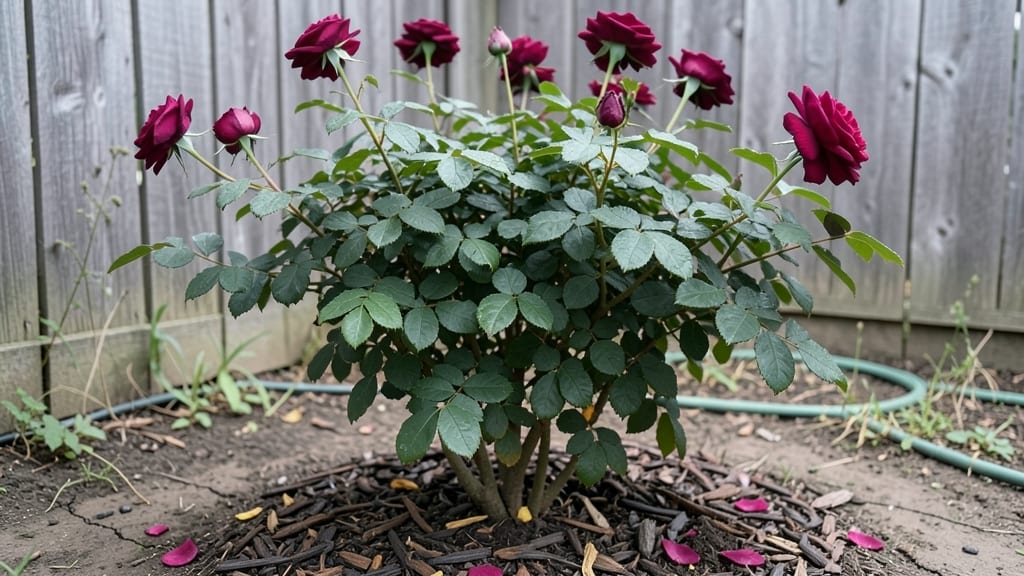
My blooms and gardens used to feel like a winter wasteland—until I discovered climbing plants that turned my yard into a thriving, ever-changing tapestry of life. 🌿 of color and texture that never stops performing.
The magic is in mixing fast-growing climbers like morning glories with evergreen options like ivy or clematis. You’ll need sturdy trellises or fences, a little pruning in spring, and the occasional watering—nothing that feels like work.
Within a season, you’ll have a fragrant, leafy curtain that blooms from spring through fall and stays green all winter.
Imagine stepping into a secluded garden oasis where every season brings new colors—soft purples in spring, bold reds in summer, and golden foliage in fall. Your neighbors will wonder how you keep it so effortless, while you’re out there sipping lemonade under your own private canopy.
The best part? These vines attract hummingbirds and butterflies, turning your privacy screen into a wildlife hotspot.
Works for small yards, urban balconies, or sprawling backyards—just adjust the trellis height and plant spacing. Here’s how to create your own living privacy shield that’s as kind to wildlife as it is to your eyes.
📚 In This Guide
- What you need
- Instructions
- Tips and common mistakes
- Wrapping up and next steps
What you need
- ● Vine Plants: 3–5 Clematis (fast-growing, deciduous, and fragrant)
- ● 3–5 Honeysuckle (hardy, attracts pollinators, and blooms summer-fall)
- ● 3–5 Jasmine (evergreen, fragrant, and drought-tolerant)
- ● 3–5 Wisteria (dramatic blooms, but needs sturdy support)
- ● Support Structures: Trellis (6–8 ft tall, 4–6 ft wide) or pergola (for climbing vines)
- ● Sturdy garden posts (4–6 ft, spaced 4–6 ft apart)
- ● Twine or soft plant ties (for securing young vines)
- ● Soil & Amendments: Well-draining potting mix (5–10 bags, depending on space)
- ● Compost (1–2 bags, for nutrient-rich soil)
- ● Slow-release fertilizer (balanced 10-10-10, 1–2 lbs)
- ● Tools: Garden trowel or spade
- ● Pruning shears (sharp, for shaping)
- ● Measuring tape
- ○ Gloves (optional, for comfort)
- ● Mulch (2–3 inches, to retain moisture and suppress weeds)
- ● Drip irrigation system (for consistent watering)
- ● Humane wildlife deterrents (e.g., reflective tape if birds are a concern)
- ● Decorative accents (e.g., solar lights, wind chimes for ambiance)
Instructions for creating a year-round privacy screen with low-maintenance vines
Here's how to craft a lush, living privacy barrier that thrives all year with minimal fuss.
🌱 Step 1: Select and Prepare Your Vine Choices
Start with four humane, low-maintenance vines that offer seasonal interest: Clematis for spring blooms, Honeysuckle for summer fragrance, Star Jasmine for fall foliage, and Winter Jasmine for winter structure. Each plant should be spaced 6-8 feet apart along your fence or trellis to allow room for mature growth.
Dig holes twice as wide as the root balls but only as deep as the containers they came in. Amend the native soil with 2-3 inches of compost mixed into the bottom of each hole to improve drainage and nutrient availability. This ensures your vines establish quickly and resist disease.
🪴 Step 2: Install Support Structures and Plant
Before planting, install T-posts or metal stakes every 8 feet along your fence line to anchor a strong, flexible trellis wire at 3-4 feet high. Use galvanized hardware to secure the wire tightly—your vines will need this support to climb and thrive. For a more decorative look, wrap the wire with bamboo stakes or wooden slats for a natural aesthetic.
Place each vine in its hole, spreading the roots gently to encourage outward growth. Backfill with soil, pressing lightly to remove air pockets, then water deeply until the soil settles 2 inches. Mulch around the base with 2-3 inches of shredded bark, keeping it 6 inches away from the stems to prevent rot. This mulch layer retains moisture and suppresses weeds.
☀️ Step 3: Train and Maintain Seasonal Growth
As new growth appears in spring, tie the main stems to the trellis wire using soft plant ties every 12-18 inches. Avoid wrapping the ties too tightly—they should hold the vine loosely but securely. Prune leggy or weak stems back by one-third to encourage bushier growth and more blooms. Clematis, in particular, benefits from summer pruning after flowering to promote next year’s blooms.
Water deeply once a week during the first growing season, ensuring the soil remains moist but not soggy. Once established, these vines are drought-tolerant, but a good soaking every 2 weeks keeps them lush. Fertilize lightly in early spring with a balanced, slow-release fertilizer to support vigorous growth without overfeeding.
✂️ Step 4: Prune for Structure and Encourage Blooms
In late winter or early spring, cut back any dead or crossing branches to open the center of the plant for airflow. For Clematis, prune just above a pair of healthy buds to stimulate new growth. Honeysuckle and Star Jasmine can be lightly trimmed to shape, but avoid heavy pruning—they bloom on old wood. Winter Jasmine should be pruned after flowering to maintain its compact form.
Watch for powdery mildew on leaves, especially in humid summers. If you spot white, powdery spots, remove affected leaves immediately and spray with a neem oil solution (1 tablespoon per gallon of water). This keeps your vines healthy and ensures they continue to provide year-round privacy with minimal effort.
⏰ Step 5: Plan for Year-Round Interest
By summer, your Honeysuckle will climb vigorously, filling the air with fragrance, while Clematis produces stunning blooms. In fall, Star Jasmine adds glossy foliage and delicate flowers, and by winter, Winter Jasmine offers bright yellow blooms against bare branches. This layered approach ensures your privacy screen never looks bare, even in the coldest months.
Every 3-4 years, consider renewing one or two vines to keep the screen looking fresh. Dig up the oldest plants, divide them, and replant half while keeping the other half to propagate new sections. This rejuvenation step keeps your vines vigorous and your privacy screen thriving for decades with almost no maintenance.
Tips & tricks for perfect year-round privacy screens
A few simple strategies will help your living privacy screen thrive for decades with minimal effort.
Spacing is Everything: The 6-8 feet spacing between vines in Step 1 might seem generous, but it's crucial for mature growth. I learned this the hard way after crowding plants too closely—it leads to competition for nutrients, stunted growth, and more frequent pruning. Give them room to breathe, and you'll have a denser screen faster.
Support System Matters: When installing your trellis wire at 3-4 feet high in Step 2, don't skimp on the T-posts or metal stakes. I've seen flimsy supports bend under the weight of climbing Honeysuckle, especially after heavy rain. Use galvanized hardware for longevity—it's worth the investment for a sturdy structure that lasts.
Pruning Precision: The specific pruning instructions in Step 4 are key to maintaining your vines. For Clematis, always prune just above a pair of healthy buds—this simple technique ensures you'll get those spectacular blooms next season. I recommend using clean, sharp pruners to make clean cuts that heal faster and reduce disease risk.
Mulch Like a Pro: That 2-3 inches of shredded bark mulch in Step 2 isn't just decoration—it's a game-changer. Keep it 6 inches away from stems to prevent rot, and top up annually. The mulch regulates soil temperature, retains moisture, and suppresses weeds. I've seen gardens where proper mulching cut watering needs by 40% in summer.
Pro Tips for Blooms And Gardens
- A few simple strategies will help your living privacy screen thrive for decades with minimal effort.
- Spacing is Everything: The 6-8 feet spacing between vines in Step 1 might seem generous, but it's crucial for mature growth.
- Support System Matters: When installing your trellis wire at 3-4 feet high in Step 2, don't skimp on the T-posts or metal stakes.
Frequently asked questions
Got questions about creating a lush, private garden with humane vines? You’re not alone! Here are answers to the most common queries—so you can dive in with confidence.
What are the fastest-growing vines for quick privacy?
For rapid coverage, opt for Morning Glory (annual, blooms fast) or Honeysuckle (perennial, fragrant, and bird-friendly). Both climb 10–15 feet in a single season! Just ensure they have sturdy trellises or arbors to support their weight.
How long does it take for vines to provide full privacy?
Most vines offer noticeable privacy in 1–2 seasons, but full coverage (like a dense green wall) takes 2–3 years, depending on the species. Wisteria and Clematis grow slower but last decades—patience pays off with stunning blooms!
Are these vines safe for pets and pollinators?
Choose non-toxic options like Jasmine or Passionflower, which attract bees and butterflies. Avoid English Ivy or Poison Ivy—always double-check labels. Hummingbirds love Trumpet Vine too!
How do I protect vines from harsh weather?
Prune damaged branches after storms, and use lightweight burlap wraps in winter for tender vines like Clematis. Mulch at the base to insulate roots, and water deeply during droughts. Most vines are resilient—just give them a little TLC!
Can I grow vines in containers or small spaces?
Yes! Bougainvillea or Sweet Pea thrive in pots (10+ gallons) with trellises. Just ensure containers have drainage holes and you fertilize monthly. For vertical gardens, use hanging baskets or wall-mounted planters—great for balconies or patios!
What’s the best way to remove vines if they become invasive?
Cut vines at the base in early spring to starve roots, then pull or dig up stubborn sections. For aggressive spreaders like Kudzu, wear gloves and repeat annually. Pro tip: Replace with slower-growing natives to avoid future headaches!
Wrapping up and next steps
Transforming your space into a lush, private haven doesn’t have to be complicated—or cruel to wildlife! With the right humane, low-maintenance vines, you can enjoy year-round blooms and greenery while keeping upkeep simple.
Whether you’re drawn to climbing roses, clematis, or native varieties, these plants offer beauty and practicality without the hassle.
Ready to get started? Begin by assessing your space, choosing a few vines that suit your climate and style, and planting with care. Your dream garden is just a few vines away—happy growing! 🌿✨