
Tools
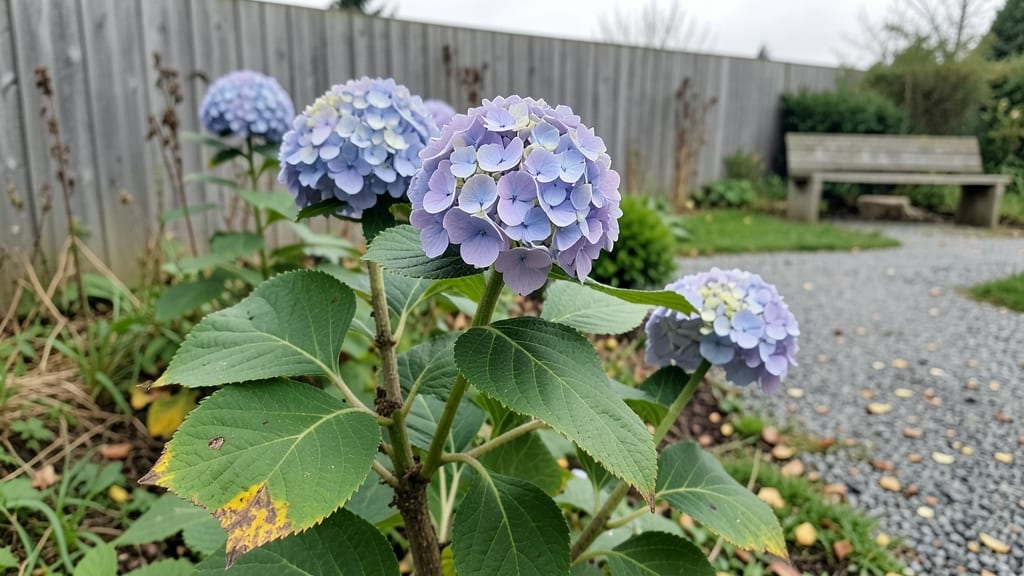
A beautiful garden home isn't just about curb appeal—it's about creating a living, breathing screen that whispers privacy year-round. 🌿 I learned this the hard way after years of battling nosy neighbors peeking through gaps in my chain-link fence.
The solution? A mix of fast-growing vines, sturdy trellises, and rustic charm that blends seamlessly with my home's architecture.
The magic happens in layers: evergreen vines like ivy or star jasmine for winter coverage, flowering climbers like clematis or roses for seasonal color, and sturdy wooden or metal structures to support it all.
You don't need a massive yard—even narrow spaces can transform with vertical gardening. The key is matching plant heights and bloom times to keep color and texture flowing from spring through fall.
Imagine stepping outside to a lush, fragrant curtain that blocks views while adding value to your home. Your neighbors will think you hired a landscape designer, but the real secret is simple plant pairings and smart placement.
The best part? This setup requires minimal maintenance once established—just occasional pruning and watering.
Works for any home style, from modern farmhouses to cozy cottages. The rustic charm comes from natural materials like cedar trellises or wrought-iron arbors, while the vines soften hard lines and create a sense of enclosure. Let's make your outdoor space feel like a private retreat without sacrificing style.
📚 In This Guide
- What you need
- Instructions
- Tips and common mistakes
- Wrapping up and next steps
What you need
- ● Climbing Vines: 50–100 plants (depending on coverage area), such as: Clematis (fast-growing, colorful blooms)
- ● Wisteria (fragrant, but requires pruning)
- ● Jasmine (sweet scent, low-maintenance)
- ● Ivy (evergreen, great for dense coverage)
- ● Trellis or Arbor: 1–2 metal, wood, or PVC structures (6–10 ft tall, depending on height needs).
- ● Soil & Fertilizer: 10–20 bags of high-quality potting mix (or garden soil amended with compost)
- ● Slow-release fertilizer (e.g., 10-10-10 or organic options like fish emulsion)
- ● Mulch: 5–10 bags of organic mulch (e.g., cedar or bark chips) to retain moisture.
- ● Pruning Tools: Hand pruners (bypass or anvil type)
- ● Loppers (for thicker stems)
- ● Garden shears (for shaping)
- ● Basic Tools: Trowel, shovel, rake, and garden gloves.
- ● Measuring & Marking: Tape measure, stakes, and string for layout.
- ● Watering Supplies: Garden hose with spray nozzle or a watering can.
- ○ Optional (but helpful!): Post-hole digger (if installing trellis posts)
- ● Wheelbarrow (for hauling soil/mulch)
- ● String trimmer (for edging)
- ● Soil pH tester (to ensure optimal growing conditions)
- ● Location: A sunny or partially shaded area with a sturdy structure (fence, wall, or freestanding trellis) for vine support.
- ● Time Commitment: 2–4 hours for installation + ongoing maintenance (pruning, watering, fertilizing).
- ● Knowledge: Basic gardening skills (or willingness to learn!). Research your vine’s specific care needs.
- ● Permits (if applicable): Check local regulations if modifying structures (e.g., attaching vines to a fence).
Instructions for creating a year-round privacy garden with climbing vines
Transform your space into a lush, evergreen retreat using this proven vine system for seasonal beauty and natural seclusion.
🌱 Step 1: Select and Prepare the Support Structure
Choose a sturdy trellis, arbor, or fence that matches your home's architectural style. For a rustic look, opt for untreated cedar or redwood—these materials resist rot and blend seamlessly with natural surroundings. Measure your space carefully; a 6-foot tall structure works well for most residential privacy screens, but adjust height based on your needs.
Install the structure firmly in the ground, ensuring it's level and anchored securely. If using a fence, attach horizontal slats or wire mesh at 12-inch intervals to give vines something to climb. For arbors, space branches 18 inches apart to allow airflow and prevent disease. Here's the thing—skipping proper installation leads to flopping structures, so take your time securing everything.
🌿 Step 2: Choose the Right Vine Varieties for Year-Round Coverage
Combine evergreen and deciduous vines for continuous privacy. Start with English ivy (Hedera helix) or star jasmine (Trachelospermum jasminoides) for winter interest, then add clematis or wisteria for spring and summer blooms. For a fast-growing option, hops (Humulus lupulus) provide dense foliage within a single season.
Plant vines at the base of your structure, spacing them 12-18 inches apart depending on their mature size. Dig holes twice as wide as the root ball but only as deep as the container. Water thoroughly after planting to encourage root expansion. I always mulch with 3 inches of shredded bark to retain moisture and suppress weeds—this keeps the soil consistently damp without overwatering.
✂️ Step 3: Train Vines to Climb and Maintain Growth
As new growth appears, gently tie the stems to the support structure using soft twine or plant clips. For aggressive climbers like wisteria, prune back one-third of the previous year's growth in early spring to encourage bushier, more manageable vines. For slower growers like clematis, trim only after flowering to preserve next year's blooms.
Fertilize lightly in early spring with a balanced 10-10-10 formula, applying it to the soil surface rather than directly on the plant. Water deeply once a week during the growing season, allowing the top 2 inches of soil to dry between waterings. Watch for signs of stress—yellowing leaves often mean overwatering, while crispy edges signal underwatering.
☀️ Step 4: Seasonal Care for Continuous Privacy
In fall, apply a 2-3 inch layer of mulch around the base to protect roots from freezing temperatures. Evergreen vines like ivy need minimal winter care, but deciduous varieties benefit from a light pruning to remove dead or crossing branches. Spring is the best time to prune for shape, while summer focuses on encouraging new growth through regular watering.
Monitor for pests like aphids or spider mites, which love tender new growth. A strong spray of water usually removes them, but for persistent infestations, apply neem oil—it's organic and effective without harming beneficial insects. Here's what I do: I inspect the vines weekly during growing season, and if I spot any issues early, they're easy to manage before they spread.
🪴 Step 5: Enhance with Companion Plants for Fuller Coverage
Fill gaps between vines with shrubs like hydrangeas or abelia for added density and year-round interest. These plants thrive in similar conditions and provide extra privacy while the vines establish. Place them 18-24 inches apart along the base of the structure, ensuring they won't outcompete the climbing plants for water.
Group plants with similar water needs together—this makes maintenance easier and ensures nothing gets overlooked. For example, pair thirsty clematis with hydrangeas and drought-tolerant rosemary with lavender. Mulch all plants uniformly to maintain even moisture levels across the entire garden home. You'll see a lush, layered effect within a season that feels intentional and effortless.
Tips & tricks for perfect year-round privacy with climbing vines
Creating a beautiful garden home with climbing vines isn't just about planting—it's about strategic choices that ensure long-term success and breathtaking results.
Support Structure Stability: When installing your 6-foot tall structure, bury the posts at least 12 inches deep for maximum stability. For fences, use galvanized hardware to prevent rusting, which can weaken the structure over time. I learned this the hard way after watching a poorly anchored trellis lean dangerously—take the extra time to secure it properly from the start.
Vine Selection Strategy: For a balanced look, combine two evergreens (like English ivy and star jasmine) with one deciduous vine (such as clematis). This creates winter interest while maintaining summer coverage. Pro tip: Buy plants in 3-gallon containers or larger—they establish faster than smaller sizes and give you a head start on privacy.
Pruning Precision: When pruning aggressive climbers like wisteria, make cuts just above a bud or leaf node to encourage new growth. For clematis, always prune after flowering to preserve next year's blooms—this is where most gardeners go wrong. I mark my pruning spots with a pencil before cutting to ensure clean, intentional snips that promote healthy regrowth.
Watering Wisdom: The key to consistent moisture is watering deeply once a week during the growing season, allowing the top 2 inches of soil to dry between sessions. Use a rain gauge to track rainfall—this helps you avoid overwatering on rainy weeks. For new plantings, water immediately after installation, then again in 3-5 days to help roots establish before relying on regular weekly watering.
Pro Tips for Beautiful Garden Home
- Creating a beautiful garden home with climbing vines isn't just about planting—it's about strategic choices that ensure long-term success and breathtaking results.
- Support Structure Stability: When installing your 6-foot tall structure, bury the posts at least 12 inches deep for maximum stability.
- Vine Selection Strategy: For a balanced look, combine two evergreens (like English ivy and star jasmine) with one deciduous vine (such as clematis).
Frequently asked questions
Got questions about creating a stunning beautiful garden home with climbing vines and rustic charm? Here are some common ones—and their answers—to help you plan your dream outdoor space!
What’s the best type of climbing vine for year-round privacy?
For evergreen privacy, opt for Ivy (Hedera helix) or Star Jasmine (Trachelospermum jasminoides). For fast coverage, try Morning Glory (Ipomoea) (annual) or Clematis (perennial). Wisteria adds drama but needs pruning. Research your climate—some vines thrive in shade, others need sun!
How long does it take for vines to fully cover a trellis or fence?
Timing varies! Fast growers like Morning Glory or Sweet Pea can cover a 6-foot fence in 1-2 seasons. Slower climbers like Clematis or Wisteria take 3-5 years for full coverage. Ivy is patient—expect 5+ years for dense growth. Pro tip: Start with multiple plants spaced 3–6 feet apart for quicker results!
Do I need special tools to install a vine trellis or fence?
Basic tools suffice! You’ll need:
- Measuring tape & level (for straight lines)
- Post hole digger or auger (for fence posts)
- Circular saw or miter box (for cutting trellis panels)
- Drill/driver & screws (for assembly)
- Gloves & safety glasses (always!)
For DIY-friendly kits, check hardware stores—many sell pre-made trellis panels or lattice sections. Rustic charm tip: Use reclaimed wood or metal pipes for a vintage look!
How do I keep pests away from my climbing vines?
Pests like aphids, spider mites, or deer can wreak havoc! Preventative tips:
- Spray neem oil (natural insecticide) early in the season.
- Use row covers for young plants.
- Plant deer-resistant vines like Honeysuckle or Climbing Hydrangea.
- Install chicken wire around bases to deter rabbits.
Troubleshoot: If you spot damage, isolate affected plants and treat with soapy water (1 tsp mild soap per quart of water) for soft-bodied pests.
Can I mix climbing vines with other plants for a layered look?
Layering adds depth and texture. Try:
- Tall vines (e.g., Wisteria) on trellises at the back.
- Medium shrubs (e.g., Hydrangeas) in front.
- Low ground covers (e.g., Creeping Jenny) at the base.
Color-coordinate blooms for seasonal interest—pair purple Clematis with blue delphiniums or yellow Roses with green ivy. Light tip: Use solar-powered garden lights to highlight your layers at night!
Wrapping up and next steps
A beautiful garden home isn’t just a dream—it’s a sanctuary you can create with the right vision and a touch of rustic charm. Climbing vines and strategic landscaping offer year-round privacy, blending nature’s elegance with your personal style.
Whether you’re starting small or transforming a space, the key is to embrace creativity and take that first step!
Ready to bring your vision to life? Sketch a simple plan, gather your materials, and start planting—your peaceful, picturesque retreat awaits! 🌿✨