
Tools
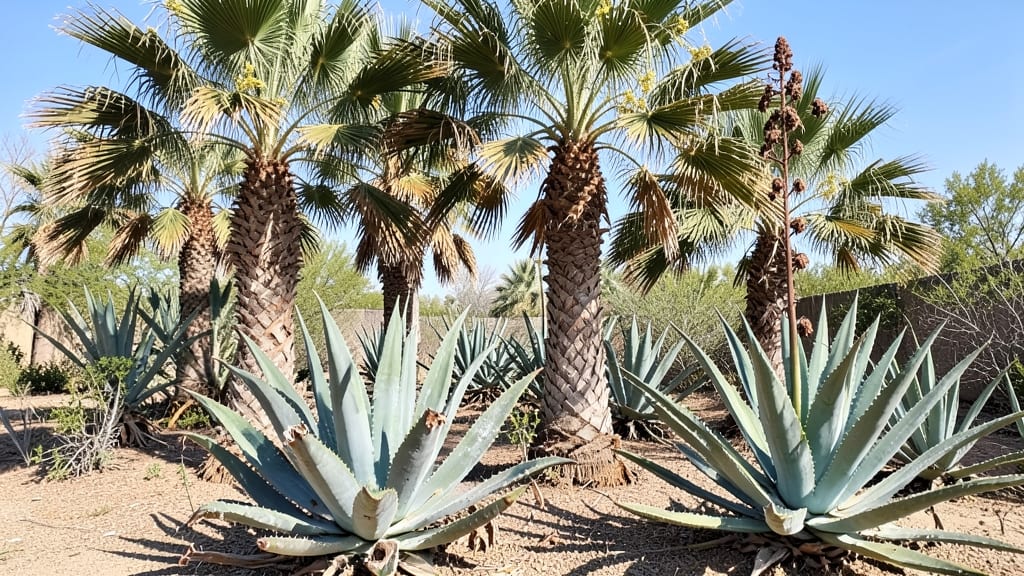
Transforming Dubai's desert into a lush botanical garden proves that year-round greenery is possible in even the harshest climates. 🌵 I've studied how these gardens create oases by combining native desert plants with water-wise techniques that keep everything thriving despite 120°F summers.
The secret lies in layered plantings that capture moisture, shade structures that protect roots, and irrigation systems that mimic natural rainfall patterns.
What makes these gardens work isn't just the exotic palms and flowering shrubs—it's the smart design choices. You'll see how gravel pathways reduce evaporation, how windbreaks protect delicate plants, and how drip irrigation delivers water exactly where roots need it.
The layout itself tells a story, guiding visitors through different climate zones in a single walk. Even small spaces can borrow these principles with the right plant selection and water management.
You'll leave inspired by how vibrant these gardens stay through every season. The air smells like crushed herbs and damp earth even in December, and the colors—deep greens, fiery reds, and sky blues—paint a picture of what's possible with thoughtful planning.
These gardens prove that beauty and sustainability go hand-in-hand, even in the desert. The techniques here can transform any backyard into a thriving oasis.
For home gardeners in arid regions, the key takeaway is simple: start with plants that naturally thrive in your climate, then build around them. The Dubai botanical gardens show that with the right approach, even the most challenging environments can become green havens.
Now let's explore how to bring these desert-smart principles home to your own garden.
📚 In This Guide
- What you need
- Instructions
- Tips and common mistakes
- Wrapping up and next steps
What you need
- ● Native Desert Plants: 20–50 plants (e.g., Agave americana, Euphorbia tirucalli, Olive trees, or Palm varieties). Choose drought-resistant species for year-round greenery.
- ● Well-Draining Soil: 10–20 cubic yards of a mix (60% sand, 30% native soil, 10% compost). Avoid clay-heavy soil!
- ● Mulch: 5–10 bags of gravel or decomposed granite (for heat retention and weed suppression).
- ● Drip Irrigation System: 50–100 ft of tubing, emitters (1–2 per plant), and a timer controller (adjustable for 2–3x weekly watering).
- ● Essential Tools: Shovel (sturdy, 12–18 inches)
- ● Pruning shears (bypass, for clean cuts)
- ● Wheelbarrow (2–3 cubic ft capacity)
- ● Rake (bow or leaf rake)
- ○ Optional Upgrades: Soil pH tester (to ensure alkalinity for desert plants)
- ● Hose with adjustable nozzle (for deep watering)
- ● Knee pads or ergonomic gloves (for comfort)
- ● Location: Full sun exposure (6+ hours daily). Avoid shaded areas—desert plants thrive in heat!
- ● Permits: Check local regulations for landscaping projects (especially if modifying drainage or using irrigation systems).
- ● Budget: Plan for $500–$2,000+ depending on plant selection and system complexity.
- ● Knowledge: Research desert gardening basics (e.g., watering schedules, pruning techniques). Local nurseries or botanical garden workshops can help!
Step-by-Step guide to creating a desert oasis landscape
Transform your outdoor space into a lush, sustainable haven with these desert-adapted techniques.
🌱 Step 1: Design for Water Efficiency and Sun Exposure
Start by mapping your space with sunlight patterns—most desert-adapted plants thrive in full sun (6+ hours daily), but a few shade-tolerant varieties can anchor cooler microclimates. I sketch my layout on graph paper, marking south-facing walls where heat radiates longest. Group plants by water needs: succulents and cacti together, then drought-tolerant perennials like lavender, then moisture-loving shrubs near drip irrigation zones.
Here's the thing—desert landscapes rely on layered planting. Use tall palms or yuccas as vertical accents, mid-height shrubs like rosemary or bougainvillea for texture, and ground covers (like sedum) to suppress weeds. This structure mimics natural desert ecosystems where every plant has a niche. I always place the most heat-sensitive plants near shaded walls or under existing trees to create transition zones.
💧 Step 2: Install Drip Irrigation and Mulch
Skip the sprinklers—drip irrigation delivers water directly to roots, reducing evaporation by 30-50%. Run lines along plant beds, spacing emitters 12-18 inches apart for even coverage. I use ¼-inch tubing with adjustable emitters to match each plant's needs: cacti get a slow drip every 10-14 days, while succulents need weekly moisture. Set your system to run early morning (4-8 AM) to minimize water loss from wind and heat.
After irrigation, apply 3-4 inches of mulch—I prefer gravel or decomposed granite in sunny areas (it reflects heat) and wood chips near moisture-loving plants. Mulch locks in soil moisture, regulates temperature swings, and discourages weeds. Just avoid piling it against plant stems—keep a 2-inch clearance to prevent rot.
☀️ Step 3: Select Heat-Tolerant Plants and Soil Amendments
Choose native or desert-adapted species that naturally thrive in 100°F+ temperatures. My go-to list includes: agave, aloe, desert marigold, oleander, and Mexican feather grass. For soil, blend native sand with compost in a 60/40 ratio—this improves drainage while retaining enough moisture for roots. I always test soil pH first; most desert plants prefer neutral to slightly alkaline (7.0-8.0).
Plant in early spring or late fall when temperatures are mild. Dig holes twice as wide as the root ball but only as deep—burying stems too deeply invites rot. Water deeply right after planting to settle soil, then let it dry before watering again. This forces roots to seek moisture deeper in the soil, creating a stronger, drought-resistant network.
✂️ Step 4: Maintain Through Seasonal Adjustments
Prune aggressively in late winter to remove dead growth and shape plants. I use sterilized shears to cut back ⅓ of the plant's height for most shrubs, which encourages bushier, more resilient growth. For palms, remove fronds that hang below the trunk—these collect debris and attract pests. Always prune on a cool, cloudy day to reduce stress on the plant.
Fertilize lightly in early spring with a slow-release, low-nitrogen formula (like 5-5-5). Desert plants don't need much—too much fertilizer burns roots in hot climates. I also monitor for pests like scale insects or spider mites, which thrive in dry heat. Spray affected areas with neem oil in the evening to avoid damaging foliage in direct sunlight.
🪴 Step 5: Enhance with Hardscaping and Lighting
Add permeable paving or gravel pathways to reduce heat absorption in walkways. I use stamped concrete with exposed aggregate for durability, paired with low stone walls to define plant beds. These elements create visual interest while keeping maintenance minimal. For lighting, install solar-powered LED fixtures along pathways—they highlight textures and extend usability into evenings.
Finally, incorporate water features like small fountains or dry creek beds. The sound of water adds a serene ambiance, and even a modest fountain increases humidity slightly, benefiting nearby plants. Place it near seating areas so the cool mist becomes part of the experience. I always position it where it catches late-afternoon sunlight to create a dramatic silhouette effect.
Tips & tricks for perfect desert oasis landscaping
Creating a thriving desert oasis takes more than just planting a few cacti—it's about strategic design and maintenance that mimics natural ecosystems. Here are the game-changing details that separate a good desert landscape from a truly stunning one.
Sunlight Strategy: In Step 1, when mapping your sunlight patterns, I can't stress enough how critical this is for plant survival. Use a sunlight tracker app for a week to map how sunlight moves across your space throughout the day. Most desert plants need 6+ hours of direct sun daily, but even shade-tolerant varieties like desert marigold will struggle if placed in deep shade. I always position my most heat-sensitive plants near shaded walls or under existing trees to create those vital transition zones—this is where you'll see the most dramatic year-round greenery.
Irrigation Precision: The drip irrigation system in Step 2 is where many people make costly mistakes. I recommend using pressure-compensating emitters that deliver consistent flow regardless of elevation changes in your landscape. For the 10-14 day watering schedule for cacti, I set reminders on my phone—desert plants are notoriously easy to overwater. And here's a pro move: bury your irrigation lines 2-3 inches deep to protect them from extreme temperatures while still delivering water right to the roots where it's needed most.
Soil Science: When blending your 60/40 native sand to compost ratio in Step 3, don't just eyeball it—use a garden calculator to measure precisely. Too much sand drains too quickly, while too much compost can lead to root rot in our hot climate. I always add a handful of perlite or pumice to improve aeration, especially in heavy clay soils. And here's what nobody tells you: test your soil pH before planting. Most desert plants prefer neutral to slightly alkaline (7.0-8.0), but if your soil tests acidic, you'll need to amend it with lime before planting.
Maintenance Calendar: The seasonal adjustments in Step 4 are where many desert landscapes fail. I keep a year-round maintenance calendar with these key dates marked: late winter pruning (cut back ⅓ of shrub height), early spring fertilization (use that 5-5-5 slow-release formula), and summer pest monitoring (neem oil treatments every 4-6 weeks). The cool, cloudy day rule for pruning is non-negotiable—it reduces plant stress and prevents sunburn on freshly cut surfaces. And here's my secret: I always prune in stages, removing only ⅓ of dead growth at a time to avoid shocking the plant.
Pro Tips for Botanical Garden Dubai
- Creating a thriving desert oasis takes more than just planting a few cacti—it's about strategic design and maintenance that mimics natural ecosystems.
- Sunlight Strategy: In Step 1, when mapping your sunlight patterns, I can't stress enough how critical this is for plant survival.
- Irrigation Precision: The drip irrigation system in Step 2 is where many people make costly mistakes.
Frequently asked questions
What are the best times to visit the Botanical Garden Dubai?
The garden is magical year-round, but weekday mornings (9 AM–12 PM) are ideal to avoid crowds. For sunset views, arrive by 4:30 PM—the lighting transforms the landscapes into a dreamy glow. Pro tip: Weekends can get busy, so book tickets in advance!
How much do tickets cost, and are there discounts available?
General admission is AED 80 for adults and AED 40 for kids (4–12). Discounts include:
- Family passes (AED 200 for 2 adults + 2 kids)
- Student/senior discounts (AED 60 with valid ID)
- Online booking (sometimes offers 10% off)
Check the official site for seasonal promotions!
Is there parking available, and how do I get there?
Yes! The garden has free parking for visitors, with spaces near the main entrance. To reach it:
- By Metro: Take the Red Line to Dubai Festival City Mall (10-min walk).
- By Taxi/Uber: The address is Dubai Festival City, Al Qusais—just ask for "Botanical Garden Dubai."
- By Car: Follow signs for D63 toward Festival City.
Pro tip: Use Google Maps for real-time traffic updates—Dubai’s roads can get congested!
Can I bring food or drinks inside?
Outside food is not allowed in the gardens, but you can:
- Use the on-site cafés (e.g., the Garden Café or outdoor kiosks).
- Bring a reusable water bottle—refill stations are available.
- Enjoy picnic areas near the lakeside (packaged snacks only).
Alcohol is restricted to licensed venues outside the garden.
Are there photography restrictions in the Botanical Garden?
Photography is welcome for personal use, but:
- Drones require prior permission (contact management).
- Avoid flash photography in greenhouses to protect plants.
- Commercial shoots need a paid permit (inquire at the ticket desk).
Bonus: The orchid and palm groves make the best Instagram spots!
What should I do if it rains while visiting?
Don’t worry—the garden has covered walkways and pavilions to explore. If rain is heavy:
- Visit the indoor conservatories (like the Desert Pavilion).
- Check out the aquarium or butterfly house for shelter.
- Plan a rainy-day café stop—their hot chocolate is a must!
Pro tip: Pack a light rain jacket—Dubai’s showers can be sudden!
Wrapping up and next steps
A Botanical Garden Dubai isn’t just a dream—it’s a thriving reality that proves even the harshest deserts can bloom with life. By embracing year-round greenery, sustainable landscaping, and smart plant choices, you’ve unlocked the secrets to creating a lush desert oasis.
Whether you’re a homeowner or a landscape designer, these insights empower you to transform barren spaces into vibrant, eco-friendly havens.
🌱 Ready to bring your vision to life? Start small—plant a drought-resistant succulent or research native species for your region. Then, take the next step: visit Botanical Garden Dubai for inspiration, or connect with local horticulturists to refine your plan. Your desert garden awaits! 🌿