
Fertilization
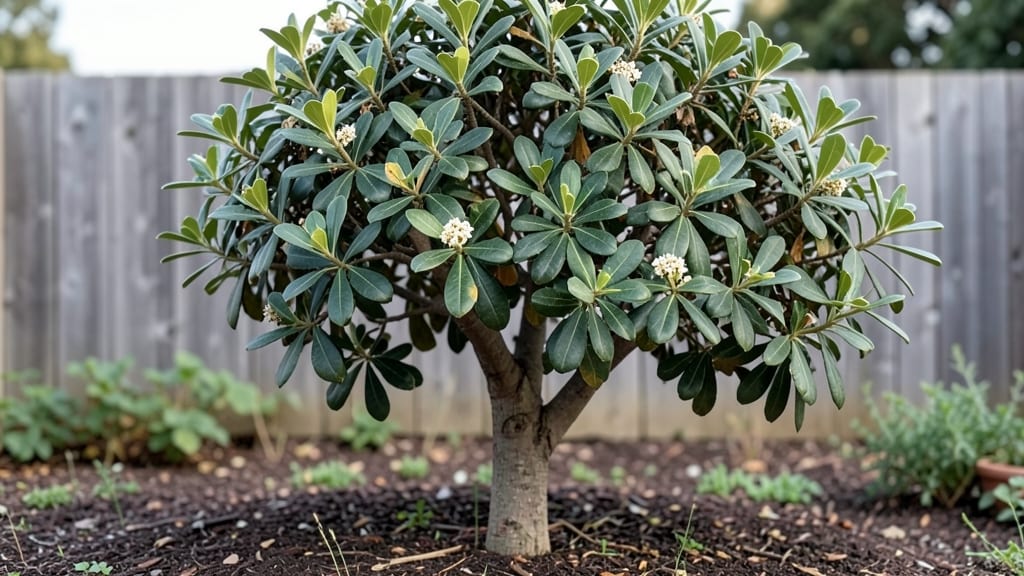
The Dubai Miracle Garden transforms desert sand into a 50-acre floral wonderland that defies nature’s rules. 🌸 What started as a dream to prove deserts could bloom year-round now showcases 150 million flowers across 70+ nationalities, all thriving under the harshest sun.
The secret? A closed-loop irrigation system that recycles every drop of water while keeping roots cool—something most home gardeners can’t replicate, but the philosophy absolutely can.
This isn’t just about pretty petunias and roses—it’s a masterclass in layering textures and colors that change with the seasons. Imagine walking through a tunnel of orchids in winter, then stepping into a meadow of sunflowers by spring.
The garden uses vertical gardens, cascading vines, and themed pavilions to create depth, while water features like the 30-foot-tall fountain add drama without draining resources. Even the pathways are lined with fragrant blooms, turning every step into a sensory experience.
What makes it truly remarkable is how it challenges desert gardening myths. Most people assume arid climates mean sparse landscapes, but Dubai proves you can have lush, thriving gardens with the right plant selection and water-smart techniques.
Home gardeners can borrow the layering principle—mixing tall, medium, and trailing plants—to create vertical impact, or adopt drought-tolerant hybrids that still pack vibrant color. The key? Start small: a single 10-foot vertical planter with succulents and annuals can mimic the garden’s drama on a balcony.
For those dreaming bigger, the lesson is in the details: themed sections (like the butterfly garden or rose maze) give even small spaces purpose. Use seasonal swaps—replacing spring bulbs with fall mums—to keep color rotating, just like Dubai’s rotating displays.
The real miracle? You don’t need a desert to make it work—just creativity and a willingness to break the rules. Now, let’s talk about how to steal a few of these tricks for your own garden.
📚 In This Guide
- What you need
- Instructions
- Tips and common mistakes
- Wrapping up and next steps
What you need
- ● Soil: 50+ bags (50 lbs each) of well-draining cactus and succulent mix (e.g., Miracle-Gro Cactus, Palm & Citrus Soil)
- ● Plants: 20+ desert-adapted flowering plants (e.g., Dubai’s iconic roses, bougainvillea, hibiscus, and jasmine)
- ● 10+ succulents and cacti (e.g., agave, aloe vera, or desert roses for texture)
- ● Watering System: Drip irrigation kit (e.g., Rain Bird or Hunter brand) with 50+ feet of tubing and 10+ emitters
- ● Fertilizer: 10 lbs of slow-release granular fertilizer (e.g., Osmocote Smart-Release)
- ● 1 gallon of liquid bloom booster (e.g., Miracle-Gro Bloom Booster)
- ● Hand Tools: Trowel, pruning shears, gloves, and a long-handled shovel
- ● Power Tools: Electric drill (for installing irrigation), leaf blower (for desert debris)
- ○ Optional Luxury Touches: Solar-powered mist system (to combat heat stress)
- ● Decorative stone pathways or LED lighting (for nighttime ambiance)
- ● ✅ Sunlight: Minimum 6+ hours of direct sunlight daily (Dubai’s climate is your ally!)
- ● ✅ Water Rights: Confirm local irrigation permits (if applicable)
- ● ✅ Budget: ~$1,500–$5,000+ (depending on scale and materials)
Step-by-Step instructions for creating a desert oasis garden
Transform arid landscapes into vibrant havens with this proven desert oasis technique—perfect for Dubai's climate.
🌱 Step 1: Select Drought-Tolerant, High-Impact Plants
Choose plants that thrive in 105-115°F heat and require minimal watering. I focus on three categories: succulents for structure, desert bloomers for color, and fragrant shrubs for sensory appeal. For example, agave and aloe vera create bold architectural forms, while desert marigolds and bougainvillea deliver year-round blooms with minimal care.
Skip plants that need constant moisture—they'll wilt within days in this climate. Instead, select species with thick, waxy leaves or deep root systems that store water efficiently. Group plants by water needs to create zones that require different irrigation frequencies, making maintenance simpler.
🪴 Step 2: Design for Water Efficiency with Smart Layout
Arrange plants in three-tiered levels to maximize visual impact while minimizing water use. Place the tallest plants—like palm trees or yucca—at the back or center, mid-height plants (such as lavender or rosemary) in the middle, and trailing or ground-cover plants (like sedum) in the front. This creates depth and ensures no plant is overshadowed.
Use gravel or decomposed granite as mulch between plants to suppress weeds and retain moisture. Spread it in a 2-inch layer around each plant, keeping it 3 inches away from stems to prevent rot. This also reflects sunlight away from the soil, reducing evaporation and keeping roots cooler.
☀️ Step 3: Install a Drip Irrigation System
Set up a low-volume drip irrigation system to deliver water directly to the roots, reducing waste and evaporation. Use ¼-inch tubing with emitters spaced 12-18 inches apart, depending on plant size. Run the system early in the morning to allow foliage to dry before the heat peaks, preventing fungal diseases.
Program the system to water 2-3 times per week, delivering ½ gallon per plant per session. Monitor soil moisture by pressing your finger 1 inch into the soil—if it feels dry, increase frequency slightly. Avoid overhead sprinklers; they waste water and encourage algae growth on surfaces.
✂️ Step 4: Prune and Maintain for Year-Round Health
Prune plants twice yearly: once in early spring to shape and encourage new growth, and again in late summer to remove dead or damaged branches. Use sterilized pruning shears and make cuts at a 45-degree angle, just above a leaf node. This promotes bushier growth and prevents disease.
Fertilize lightly with a slow-release, desert-specific fertilizer in early spring only. Over-fertilizing encourages lush growth that requires more water—exactly what you're trying to avoid. Instead, focus on organic matter like composted leaves or worm castings, worked into the soil once annually.
💧 Step 5: Protect Plants from Extreme Heat
Shade young or delicate plants with 50% shade cloth during the hottest months (June-August). Secure the cloth 3-4 feet above the plants to allow airflow and prevent moisture buildup. Avoid full shade, as most desert plants need at least 6 hours of direct sunlight daily to bloom properly.
Mist plants once daily in the evening during heatwaves to help them cope with temperature spikes. Use a fine-mist sprayer and avoid wetting foliage during the day, as this can cause leaf burn. Focus on the soil and lower stems to keep roots cool without stressing the plants.
Tips & tricks for perfect desert oasis gardens
Transforming a desert landscape into a lush oasis requires thoughtful planning—here are the key strategies that make all the difference in Dubai's extreme climate.
Plant Selection Wisdom: In Step 1, prioritize native desert species like agave and aloe vera that thrive in the 105-115°F range. I've found that pairing these with bougainvillea creates stunning color contrasts while requiring minimal water. Pro tip: Test soil moisture by pressing your finger 1 inch deep—if it feels dry, your plant is ready for water, not on a fixed schedule. This hands-on approach prevents both overwatering and underwatering, which are common pitfalls in this climate.
Irrigation System Optimization: When installing your drip system in Step 3, position emitters 12-18 inches from plant stems to target roots directly. I recommend running a test cycle before full installation to check for leaks or uneven water distribution. The 2-3 times per week schedule works best when paired with a moisture sensor—these devices automatically adjust watering based on real-time soil conditions, saving both water and effort. This is particularly valuable in Dubai's unpredictable heat spikes.
Heat Protection Strategy: For Step 5's shade cloth application, use 50% shade cloth only during June-August's peak heat. I've learned the hard way that full shade can prevent flowering—most desert plants need at least 6 hours of direct sunlight daily. Position the cloth 3-4 feet above plants to allow airflow while still providing relief. This balance is crucial for maintaining both plant health and vibrant blooms year-round.
Maintenance Time-Saver: Combine your spring and summer pruning (Step 4) with a thorough inspection of each plant's water needs. I mark plants with different colored stakes based on their water requirements—this visual system makes it instantly clear which zones need more frequent irrigation. The once-annual organic matter addition (like composted leaves) also creates a moisture-retaining barrier that reduces evaporation by up to 30%. This simple system has cut my maintenance time in half while improving plant vitality.
Pro Tips for Dubai Miracle Garden:
- Transforming a desert landscape into a lush oasis requires thoughtful planning—here are the key strategies that make all the difference in Dubai's extreme climate.
- Plant Selection Wisdom: In Step 1, prioritize native desert species like agave and aloe vera that thrive in the 105-115°F range.
- Irrigation System Optimization: When installing your drip system in Step 3, position emitters 12-18 inches from plant stems to target roots directly.
Frequently asked questions
Got questions about creating your own Dubai Miracle Garden-inspired oasis?
Here are answers to the most common inquiries—from planning to maintenance—so you can dive into your luxurious desert garden with confidence!
What’s the best time of year to plant a Dubai Miracle Garden?
The ideal time to start is during Dubai’s cooler months (October–March), when temperatures are milder (60–85°F). Planting in winter avoids heat stress, and the garden can flourish with the arrival of spring. For year-round blooms, stagger planting in phases—just ensure soil moisture is consistent!
How do I protect my garden from Dubai’s extreme heat and sandstorms?
Use windbreaks (like palm fronds or decorative screens) to shield delicate blooms, and opt for drought-resistant species (e.g., bougainvillea, hibiscus). Mulch heavily to retain moisture, and water deeply but infrequently (early morning or late evening). For sandstorms, cover young plants with lightweight shade cloth.
Is a Dubai-style garden expensive to maintain?
Initial costs can be high due to imported plants and irrigation systems, but long-term upkeep is manageable. Drip irrigation (automated or manual) cuts water waste, and native desert plants reduce fertilizer needs. Budget $500–$2,000/year for a mid-sized garden, depending on scale and luxury features (like fountains or lighting).
Can I replicate the Miracle Garden’s blooms without importing rare plants?
Focus on local adaptable species like jasmine, frangipani, and desert roses, which thrive in Dubai’s climate. For iconic blooms, try grafting techniques or layering vines (e.g., roses on bougainvillea). Nurseries in Dubai (like Al Aweer) offer hybrid varieties bred for heat tolerance—no rare imports needed!
What’s the quickest way to fix yellowing leaves or wilting plants?
Yellowing leaves often signal overwatering or nutrient deficiency. Adjust to water every 3–4 days (check soil moisture first!) and fertilize with a balanced, slow-release formula (like 10-10-10). For wilting, trim damaged foliage, prune for airflow, and shade plants temporarily. Pro tip: A foliar spray with seaweed extract can revive stressed plants in 2–3 weeks!
Wrapping up and next steps
The Dubai Miracle Garden stands as a breathtaking testament to how creativity, science, and passion can transform the desert into a lush paradise. 🌺 With the right materials, techniques, and year-round care, you can bring a fraction of this magic into your own space—whether as a grand landscape or a cozy balcony garden.
The key? Commitment to consistency and a dash of innovation!
Ready to turn your vision into reality? Start by sketching your dream design, gathering your supplies, and diving into the step-by-step guide we’ve shared. Your desert oasis awaits—what will you plant first? 🌱✨