
Landscaping
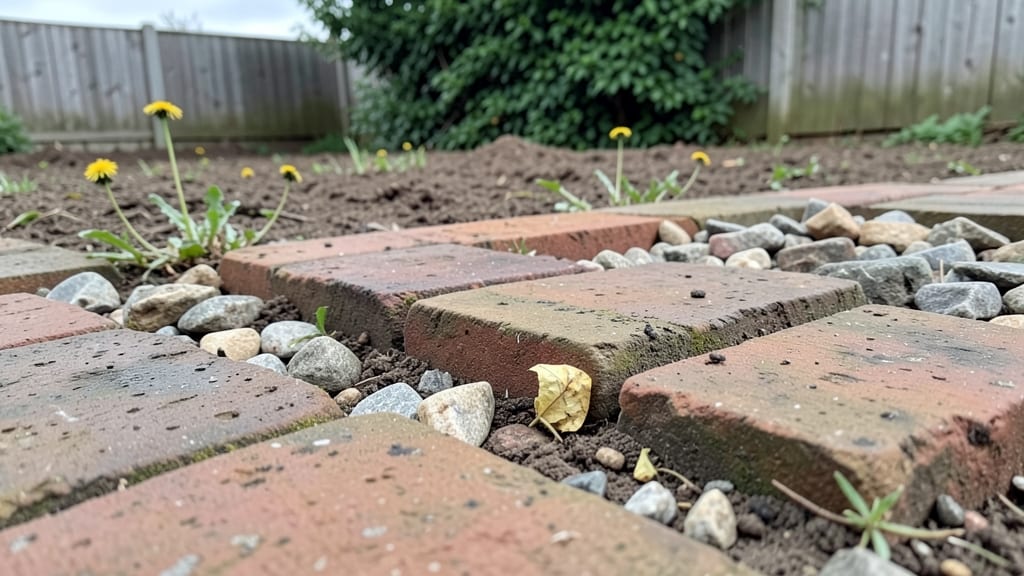
Designing a garden with bricks adds structure, charm, and lasting beauty to your outdoor space 🌱—whether you're framing flower beds or building a cozy seating area.
Transforming your outdoor space with brick garden design isn’t just about aesthetics—it’s about creating a durable, stylish foundation that enhances your plants while standing the test of time.
From rustic pathways to modern raised beds, bricks offer endless possibilities to elevate any garden layout. Whether you're a beginner or a seasoned gardener, these 10 creative ideas will inspire you to build something functional and stunning.
Discover how to choose the right bricks, plan your design, and incorporate them into your garden for a cohesive, long-lasting look that blends seamlessly with nature.
10 Creative brick garden layout ideas for every space type
Brick garden design transforms even the smallest spaces into stunning, functional outdoor areas. Whether you have a tiny urban balcony or a sprawling backyard, bricks create structure, texture, and charm that complements any garden style.
The key is matching your brick layout to your space’s size and purpose—whether it’s a cozy herb garden or a bold statement pathway. Let’s explore 10 creative ways to incorporate bricks into your outdoor space, from modern geometric designs to rustic, organic curves.
For inspiration, consider how bricks can frame plants, define zones, or even serve as planters. A vertical brick wall can maximize small spaces, while a herringbone brick border adds elegance to flower beds.
Each design balances durability with aesthetic appeal, ensuring your garden stays beautiful for years. Below, we’ll break down the best brick layouts for small yards, large landscapes, and urban balconies, complete with plant pairings and practical tips.
For small yards, vertical brick planters and stacked brick tiers are game-changers. These designs maximize space while adding visual interest. Pair succulents or trailing ivy with bricks to create a lush, green vertical garden that thrives in limited square footage.
If you’re working with a large landscape, consider a herringbone brick pathway or raised brick vegetable beds. These layouts not only look stunning but also improve functionality—like better drainage for veggies or a defined walkway for guests.
If you’re an urban gardener with a balcony, geometric herb gardens or brick trellis planters are perfect. Use modular brick planters to grow rosemary, thyme, and basil in a structured, modern layout. The bricks keep herbs organized while adding a sleek, contemporary touch.
For a rustic or cottagecore vibe, try curved brick borders around flower beds filled with hostas, lavender, and ornamental grasses. The soft curves create a welcoming, organic feel that’s both timeless and inviting.
Don’t overlook functional brick designs like a fire pit surround or spiral garden. A brick fire pit becomes the focal point of your outdoor living space, while a spiral brick garden adds a meditative element perfect for Zen-inspired landscapes.
Use heat-resistant plants like bamboo or moss around the fire pit to ensure longevity. For the spiral garden, dwarf bamboo and ground cover thrive in the shaded, circular design while keeping maintenance low.
How to choose bricks for garden projects: durability vs. aesthetics
Selecting the right bricks for your garden isn’t just about looks—it’s about finding the perfect balance between durability and visual appeal. Clay bricks offer classic charm but may fade over time, while concrete bricks are low-maintenance but can look stark.
Recycled bricks add eco-friendly appeal but might vary in quality. Your choice depends on your garden’s traffic levels, climate, and design style.
Before buying, consider how bricks will interact with your plants. For example, light-colored bricks reflect heat, which can benefit sun-sensitive plants like lavender or rosemary, while darker bricks absorb warmth, ideal for orchids or fuchsias.
Texture also matters—rough bricks hide dirt better, while smooth bricks create a sleek, modern look. Let’s break down the options to help you decide.
🚨 pros cons box
Clay Bricks
- ✅ Pros: Timeless look, wide color/texture options, great for high-traffic areas
- ✅ Durable in most climates, absorbs less water than concrete
- ✅ Fits traditional, cottage, or rustic garden styles
- ❌ Cons: Can fade in intense sun, more expensive than concrete
- ❌ Requires sealing to prevent moss growth
Concrete Bricks
- ✅ Pros: Low-maintenance, budget-friendly, uniform shapes
- ✅ Resistant to frost and weathering, ideal for modern designs
- ✅ Lightweight and easy to install
- ❌ Cons: Can look too sterile without landscaping
- ❌ Absorbs heat, may require shading for heat-sensitive plants
Recycled Bricks
- ✅ Pros: Eco-friendly, unique textures, often cheaper
- ✅ Adds character to rustic or upcycled garden designs
- ✅ Reduces landfill waste
- ❌ Cons: Quality varies, may need extra sealing
- ❌ Limited color options compared to new bricks
For durability, clay bricks are my top pick for high-traffic areas like pathways or patios. Their natural resistance to wear makes them last decades with minimal upkeep.
If you’re on a budget or need quick installation, concrete bricks are a practical choice—just pair them with gravel or mulch to soften their appearance. For an eco-conscious project, recycled bricks add rustic charm while reducing waste.
Don’t overlook color coordination—match your bricks to your garden’s palette. Warm terracotta bricks complement Mediterranean-style gardens, while cool gray bricks suit modern landscapes. Pro tip: Use sandstone-colored bricks near lavender or roses for a cohesive look. Texture also plays a role; rough bricks hide dirt better in high-traffic zones.
To extend your bricks’ lifespan, seal them every 2-3 years with a waterproof sealant to prevent moss buildup and erosion. For clay bricks, I recommend a breathable sealant to avoid trapping moisture.
Concrete bricks benefit from a penetrating sealer that blocks stains while allowing water to escape. Regular cleaning with a mild vinegar solution keeps bricks looking fresh.
For added functionality, consider interlocking bricks for pathways—they lock together without mortar, making repairs a breeze. If you’re building raised beds, opt for unfired clay bricks (like those used in traditional Japanese gardens) for a natural, organic feel.
Pair them with edible plants like strawberries or herbs for a productive garden design.
Remember, the best brick choice depends on your garden’s unique needs. Test a small section before committing to a large project, and don’t hesitate to mix materials—combine clay bricks for borders with gravel paths for a balanced look.
With the right bricks, your garden will be both beautiful and built to last.