
Advice
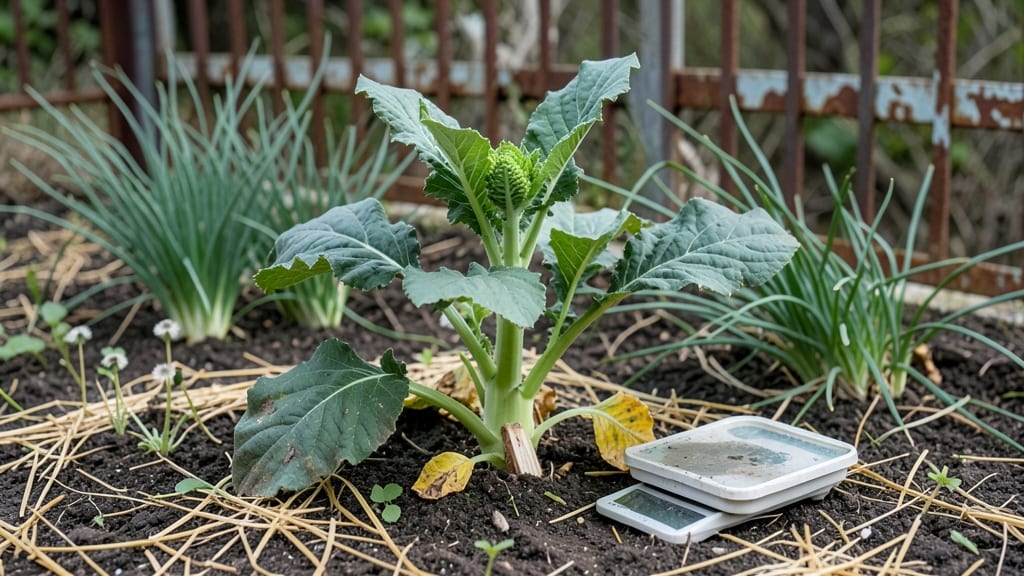
Calories in gardening range from 200–400 per hour for a 155-pound person, depending on the task—digging and hauling soil burn the most, while lighter activities like pruning or weeding fall closer to 200–300. Your body weight directly impacts these numbers, with heavier individuals burning more and lighter ones expending fewer calories for the same effort.
Gardening isn't just about growing plants—it's a surprisingly effective way to sneak in physical activity without feeling like you're at the gym. 🌱 The key lies in how different tasks engage your muscles: hauling bags of soil or tilling the ground demands more effort than trimming bushes, which is why those numbers vary so widely.
I’ve found that even 30 minutes of focused gardening can add up, especially if you mix in strength moves like lifting pots or digging deep into the soil. Plus, the fresh air and sunlight boost your mood, making it a win-win for both your body and mind.
💡 In This Article
- How Gardening Intensity Affects Calorie Burn
- Maximizing Calorie Burn in Your Garden Workout
How gardening intensity affects calorie burn
The calories you burn in gardening depend entirely on the Metabolic Equivalent of Task (MET) value of each activity, which measures energy expenditure relative to resting state. Digging, for example, has a MET of 4.0-5.0, meaning it burns 4-5 times more energy than sitting still.
This translates to 320-400 calories per hour for a 155-pound person, while lighter tasks like raking (MET 2.5-3.0) burn 200-240 calories in the same time. The difference comes from muscle engagement—digging uses your legs, core, and arms simultaneously, while raking is more rhythmic and steady.
Your body weight plays a critical role too. A 200-pound person digging for an hour could burn 480-600 calories, while a 120-pound person doing the same task might only expend 240-300 calories. This is because heavier individuals require more energy to move their mass, even for identical motions.
For instance, hauling a 50-pound bag of soil across a yard engages your glutes, quads, and back far more intensely than planting seeds, which is mostly a controlled, lower-effort motion. 🌿
Duration also compounds the effect. Gardening for 30 minutes at a moderate pace (like weeding or mulching) might burn 150-200 calories, but extending that to 90 minutes with high-intensity tasks (digging trenches or moving heavy pots) could push totals to 500-700 calories.
The key is mixing activities—alternating between strength moves (lifting) and cardio bursts (quick weeding sprints) keeps your heart rate elevated and maximizes calorie burn. Think of it like a garden circuit workout!
Here’s a quick breakdown of common tasks and their calorie ranges for a 155-pound person per hour:
- Digging/hauling soil: 320-400 calories (MET 4.0-5.0)
- Tilling/mowing: 280-350 calories (MET 3.5-4.5)
- Weeding/raking: 200-240 calories (MET 2.5-3.0)
- Pruning/trimming: 160-200 calories (MET 2.0-2.5)
What most people don’t realize is that posture and technique matter just as much as effort. Slouching while weeding or using improper form when lifting can reduce calorie burn by up to 20% because your muscles aren’t working efficiently.
For example, bending at the knees (not the waist) when picking up pots engages your legs and core more effectively, turning a simple task into a mini squat workout. 💪
Finally, environmental factors like terrain and weather add layers. Gardening on a sloped hill increases calorie burn by 15-20% compared to flat ground, while wind resistance (like battling gusts to hold a ladder steady) adds subtle but noticeable effort.
Even the temperature plays a role—working in 80°F+ heat can raise your heart rate naturally, boosting calorie expenditure by 5-10% as your body works harder to regulate core temperature. It’s science in action!