Tools
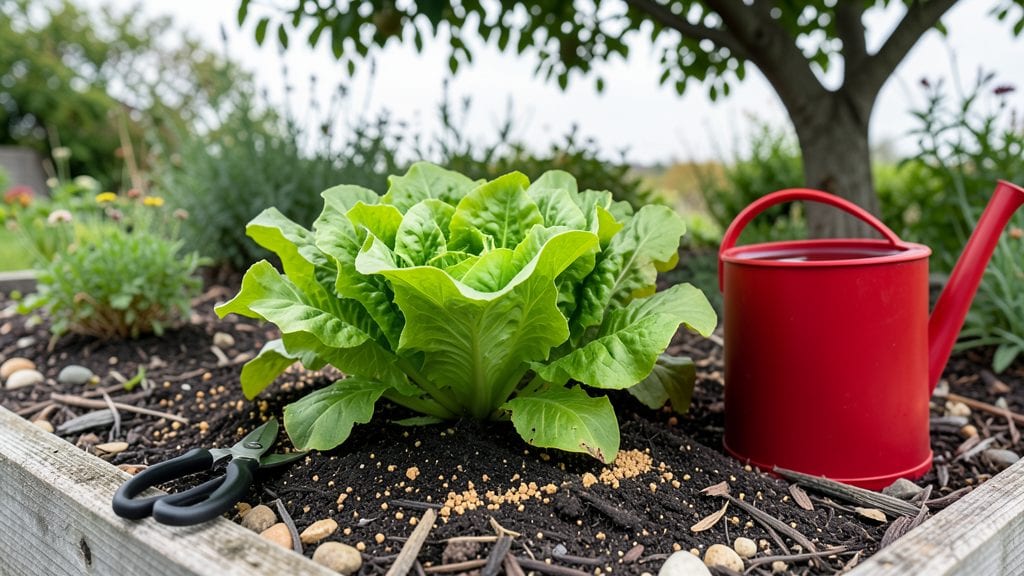
Gardening burns calories effectively, with activities like digging burning around 330 calories per hour for a 155-pound person, while mowing lawns can exceed 400 calories. Light tasks like weeding still contribute 150-200 calories per hour, making it a practical, low-impact workout.
If you've ever wondered why gardening feels like a workout, it's because your body engages multiple muscle groups while maintaining steady movement. 🌱 Unlike static gym machines, gardening activates your core, legs, and arms simultaneously—digging, for example, works your back and shoulders while your legs stabilize.
The key difference from traditional exercise is the natural variability: no two gardening sessions are identical, so your body adapts constantly, which can boost endurance over time.
What's fascinating is how these calorie numbers stack up against gym activities. A 30-minute session of weeding burns roughly the same as a brisk walk, while mowing for an hour rivals a light jog in calorie expenditure. The beauty?
You're not just burning calories—you're also improving flexibility, coordination, and even mental well-being from being outdoors. For those short on time, combining gardening with short bursts of higher-intensity tasks (like carrying heavy pots) can turn your yardwork into a full-body efficiency workout.
💡 In This Article
- Calorie-Burning Mechanics in Common Gardening Tasks
- Maximizing Calorie Burn While Gardening
Calorie-burning mechanics in common gardening tasks
Here's what's actually happening when you garden: your body engages in what exercise physiologists call "complex movement patterns" that simultaneously activate multiple muscle groups.
Digging, for instance, requires your legs to stabilize while your core engages to lift and your arms pull the soil—this full-body activation elevates your heart rate more effectively than isolated gym exercises like bicep curls.
The key factor is the variable resistance from tools and terrain, which forces your muscles to adapt constantly, similar to how circuit training works in gyms but with natural resistance.
The science behind calorie expenditure involves three main variables: intensity, duration, and body weight. A 155-pound person digging for 60 minutes burns roughly 330 calories because this task engages 40-50% of muscle mass at a moderate intensity (about 50-60% of max heart rate).
Compare that to walking at 3.5 mph, which burns 280 calories for the same person in the same time—gardening's higher muscle engagement explains the difference. Raking, meanwhile, works your arms and shoulders while your legs stabilize, creating a similar calorie burn profile to light jogging (350-400 calories/hour).
What most people don't realize is how tool weight and technique dramatically alter calorie burn. Using a heavy-duty shovel (weighing 3-4 pounds) instead of a lightweight one forces your muscles to work harder, increasing expenditure by 10-15%.
The same principle applies to pruning shears—opt for ergonomic, weighted tools to boost intensity. This is why professional gardeners often carry 20-30 pounds of tools and supplies, turning their work into a high-efficiency workout without even realizing it.
Let's break down the muscle groups engaged in common tasks:
- Digging: Primarily works quadriceps, hamstrings, glutes, and upper back (60% leg focus, 40% core/upper body)
- Raking: Engages shoulders, arms, and lower back (55% upper body, 45% core stabilization)
- Pruning: Targets forearms, wrists, and deltoids (80% arm focus, 20% core from posture)
- Mowing: Uses calves, quads, and lower back (70% leg focus, 30% core from pushing)
The metabolic demand varies because each task requires different energy systems. Digging and mowing rely more on aerobic endurance (like jogging), while pruning and weeding engage muscle endurance (similar to weight training).
This dual-system activation is why gardening provides a more balanced workout than most gym routines, which often focus on either cardio or strength in isolation. For example, a 30-minute session of weeding and pruning alternates between these systems, creating a workout that's harder to replicate with machines.
What truly sets gardening apart is the environmental factor. Working outdoors exposes you to fresh air, sunlight (which boosts vitamin D production), and natural sounds—all of which can lower cortisol levels (the stress hormone) while increasing endorphins.
Studies show that people exercising outdoors burn 5-10% more calories** than indoors due to this psychological boost, even when performing identical physical tasks. This makes gardening not just a calorie burner, but a holistic workout that improves both physical and mental health simultaneously. 💫