Picking
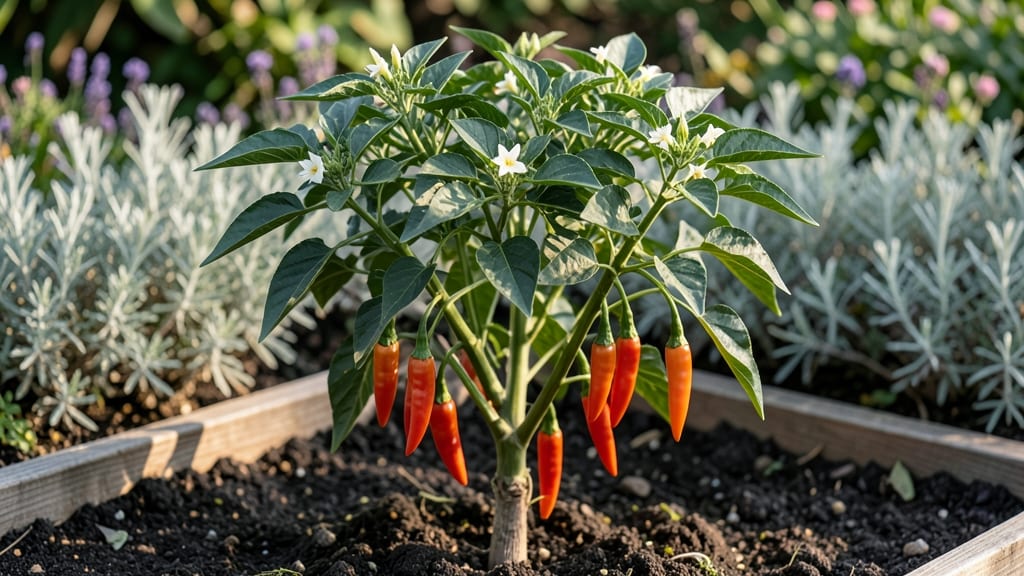
Cayenne pepper gardening in containers lets you pack serious heat onto even the smallest balcony—no yard required. 🌿 I’ve grown these fiery beauties for three summers now, and the secret to their success isn’t complicated: it’s all about matching their tropical roots with the right conditions.
Most people assume cayennes need a greenhouse, but with the proper setup, you’ll get peppers as bold as any from a specialty grower.
Start with a 5-gallon container (at least) filled with well-draining potting mix—cayennes hate soggy feet. Plant two seeds per pot for better pollination, and keep them in full sun (6+ hours daily). Water when the top inch of soil feels dry, but avoid letting them get thirsty—consistency is key.
If your summers are short, begin seeds indoors 8-10 weeks before last frost and transplant after all danger of frost has passed.
By midsummer, you’ll be snipping bright red, finger-length peppers straight from the plant, and the flavor? Nothing compares to homegrown. These peppers pack 25,000-50,000 Scoville units—enough to turn a mild salsa into a kitchen wake-up call.
The best part? They keep producing until frost, so one plant can yield hundreds of peppers if you stay on top of pruning and feeding.
Even in hot climates, cayennes need a break from the midday sun—shade cloth helps prevent sunburned leaves. And if your peppers start looking leggy or sparse? It’s likely a light or nutrient issue.
With the right care, you’ll go from seed to spicy harvests in just 90 days, and your neighbors will be asking for cuttings by summer’s end.
📚 In This Guide
- What you need
- Instructions
- Tips and common mistakes
- Wrapping up and next steps
What you need
- ● Container: At least 1–2 gallons per plant (5–10 inches deep). Use fabric pots, plastic buckets, or ceramic containers with drainage holes.
- ● Potting Mix: 1–2 bags of high-quality, well-draining organic potting soil (avoid garden soil—it compacts!). Add perlite or vermiculite (1 part per 4 parts soil) for aeration.
- ● Cayenne Seeds: 3–5 seeds per container (or 1–2 seedlings if transplanting). Choose heat-tolerant varieties like ‘TAM Mild’ or ‘Mad Dog.’
- ● Fertilizer: Balanced fertilizer (10-10-10 or 5-5-5): 1 tablespoon per plant at planting.
- ● Organic options: Composted manure or worm castings (½ cup per plant).
- ● Drainage: Crushed gravel or broken pottery shards (1-inch layer at the container’s bottom).
- ● Watering Can or Hose: With a gentle spray nozzle to avoid disturbing soil.
- ● Stakes or Cages: 1–2 per plant (4–5 feet tall) for support as peppers grow.
- ● Pruning Shears: Small, sharp pair for trimming.
- ● Mulch: Straw or shredded leaves to retain moisture and regulate soil temp.
- ● Grow Lights: If indoors, use full-spectrum LEDs (12–16 hours/day).
- ● Heat Mat: For seedlings (70–80°F soil temp speeds germination!).
- ● Insect Netting: To protect from pests like aphids or hornworms.
- ● pH Test Kit: Cayenne loves slightly acidic soil (6.0–6.8 pH).
Step-by-Step instructions for growing cayenne peppers in containers
Here’s how to cultivate fiery cayenne peppers with precision—no greenhouse needed.
🌱 Step 1: Select and Prepare Containers
Choose 5-gallon fabric grow bags or plastic pots with drainage holes for each plant—cayennes need room to develop strong root systems. I avoid terra cotta because it dries out too quickly in hot climates. Fill each container with 2 gallons of well-draining potting mix mixed with 1 cup perlite to prevent soil compaction. This blend ensures excess water drains while retaining enough moisture for deep roots.
Press the mix down gently until it’s level with the pot’s rim, leaving 1 inch of space at the top for watering. Tap the sides lightly to eliminate air pockets. The soil should feel like a damp sponge—firm enough to support stems but loose enough for roots to penetrate easily.
🌱 Step 2: Plant Seeds or Transplants at the Right Time
Start seeds indoors 8-10 weeks before your last frost or transplant 4-6 week old seedlings after soil warms to at least 70°F. Bury seeds ¼ inch deep—any deeper delays germination because cayennes need light to trigger sprouting. I plant 2 seeds per pot and thin to the strongest seedling once true leaves appear (about 2-3 weeks later).
If using transplants, dig a hole twice as wide as the root ball and place the plant so the top of the root ball sits ½ inch below the soil line. This prevents stem rot while keeping roots cool. Water immediately after planting to settle the soil around roots—you’ll see a slight depression at the base, which signals proper settling.
☀️ Step 3: Provide Full Sun and Consistent Heat
Cayennes demand 6-8 hours of direct sunlight daily—a south-facing window or grow light positioned 6-12 inches above plants works. Without enough light, stems stretch and peppers develop weak heat. I rotate pots quarter-turn weekly to prevent leaning. If leaves yellow between veins, it’s a sign of iron deficiency—add a chelated iron supplement to the soil.
Maintain soil temperatures above 75°F for optimal fruit set. In cooler climates, use a heat mat beneath pots or move containers to a sunny porch at night. Watch for flower drop—if buds fall without setting peppers, the air is too cool or dry. A humidity tray with pebbles and water can help stabilize moisture levels around blooms.
💧 Step 4: Water and Fertilize for Maximum Heat
Water deeply every 2-3 days until top 2 inches of soil feel dry—cayennes hate soggy roots but need steady moisture to develop spicy peppers. I water at the base in the morning to prevent fungal diseases. Overhead watering can spread bacterial spot, a common cayenne enemy. Fertilize every 2 weeks with a balanced 10-10-10 formula once seedlings reach 6 inches tall, then switch to a low-nitrogen, high-phosphorus blend (like 5-10-10) when flowers appear.
Yellowing leaves? It’s often overwatering—let the soil dry more between waterings. Brown leaf edges? Boost humidity or reduce fertilizer. The goal is consistent growth: strong stems, dark green leaves, and compact spacing between leaves. If plants bolt (send up a flower stalk too early), they’re stressed—check for underwatering or temperature swings.
✂️ Step 5: Prune and Harvest for Peak Spice
Prune side shoots that form in the leaf axils to direct energy into fruit production. Remove suckers (small stems between the main stem and branches) when they’re 1 inch long. This ensures larger, hotter peppers instead of bushy but weak plants. I also pinch off the top set of flowers on young plants to encourage stronger root and stem growth before fruiting.
Harvest green peppers when they reach 3-4 inches for maximum capsaicin (heat) or wait until they turn red for a sweeter, milder flavor. Use pruning shears to cut stems cleanly—never pull peppers off the plant. Store harvested peppers in a cool, dark place for up to 2 weeks. For long-term storage, dry them in a dehydrator at 135°F or hang in bundles until crisp.
Tips & tricks for perfect container-grown cayenne peppers
Here's what nobody tells you about growing cayenne peppers in containers—these tricks will transform your harvest from meager to fiery.
Soil Temperature Secret: While the instructions mention maintaining soil temperatures above 75°F for optimal fruit set, I've found that using a simple soil thermometer is worth the investment. Cayenne peppers are tropical at heart—they'll set fruit more reliably when soil temps stay consistently above 78°F. If you notice buds dropping without setting peppers, check your soil temperature first. A heat mat set to "warm" can make all the difference in cooler climates, especially during those early morning hours when temperatures dip.
Lighting Strategy: The 6-8 hours of direct sunlight requirement is non-negotiable, but here's the pro move: supplement with LED grow lights if natural light falls short. Position them 6-12 inches above your plants and use a timer for 14-16 hours of light per day during shorter winter months. I've seen plants nearly double their pepper production when given this extra light boost. Just be sure to keep the lights moving away from the plants as they grow to maintain proper distance.
Pruning Precision: When removing those 1-inch suckers in Step 5, I recommend using clean, sharp pruning shears and making cuts at a 45-degree angle just above a leaf node. This technique promotes faster healing and prevents disease entry points. Also, don't be shy about pruning—aggressive pruning of side shoots actually increases heat levels in the remaining peppers by directing all the plant's energy into fewer, more potent fruits. Think of it as quality over quantity in the spice world.
Harvest Timing: For maximum capsaicin (that's the compound that makes them hot), harvest your green cayennes when they reach exactly 3-4 inches—any shorter and you're missing out on developed heat. Here's a visual cue: when the pepper's shoulder (the area where it attaches to the stem) turns from green to slightly yellowish, that's your harvest window. For dried peppers, wait until they turn completely red—this increases their shelf life and mellows the heat slightly while concentrating the flavor.
Pro Tips for Cayenne Pepper Gardening
- Here's what nobody tells you about growing cayenne peppers in containers—these tricks will transform your harvest fro...
- Soil Temperature Secret: While the instructions mention maintaining soil temperatures above 75°F for optimal fruit se...
- Lighting Strategy: The 6-8 hours of direct sunlight requirement is non-negotiable, but here's the pro move: supplemen...
Frequently asked questions
Got questions about growing cayenne peppers?
Here are answers to the most common ones—from spice levels to troubleshooting—so you can master your container garden like a pro!
When is the best time to plant cayenne peppers?
Plant cayenne peppers after the last frost when soil temperatures reach at least 65°F (18°C). In containers, start seeds indoors 8–10 weeks before the last frost, or buy transplants for a head start. Cayennes thrive in warm weather and need full sun (6+ hours daily). If you’re in a short-season zone, opt for early-maturing varieties like ‘TAM Mild’ or ‘Cayenne Long Slim’!
Why aren’t my cayenne peppers getting hot?
Heat levels depend on sunlight, soil nutrients, and maturity. Ensure your plants get 6+ hours of direct sun and use a balanced fertilizer (like 10-10-10) every 4–6 weeks. Underripe peppers lack capsaicin—wait until they’re fully red, orange, or yellow before harvesting. Pro tip: Stress (like drought or overwatering) can also dull heat, so keep soil consistently moist but well-drained!
Can I grow cayenne peppers in small containers?
Yes! Cayennes thrive in 5-gallon containers or larger (they need room for roots and airflow). Use a lightweight potting mix with perlite or vermiculite for drainage. If space is tight, prune aggressively to focus energy on fruit production. Just avoid overcrowding—peppers need 18–24 inches of space between plants to prevent disease.
What can I do if my cayenne plants get pests?
Common pests like aphids, spider mites, or hornworms can stress your plants. Start with neem oil or insecticidal soap for mild infestations. For hornworms, handpick them (they’re big and green—easy to spot!). Prevent issues by watering at the base (not overhead) and rotating crops if gardening yearly. Companion plants like basil or marigolds can also deter pests naturally!
Are there milder cayenne alternatives for beginners?
If you love cayenne’s kick but want something gentler, try:
- ‘TAM Mild’: 2,500–5,000 SHU (mild heat, great for cooking)
- ‘Hungarian Wax’: 10,000–20,000 SHU (sweeter, less fiery)
- ‘Cherry Bomb’: 30,000–50,000 SHU (small but manageable)
Wrapping up and next steps
Growing cayenne peppers in containers is a rewarding journey that brings bold flavor and fiery satisfaction to your kitchen! 🌶️ With the right soil, sunlight, and care, you’ll enjoy a harvest of spicy gems—perfect for salsas, hot sauces, or bold seasoning. Now that you’re equipped with tips and answers, it’s time to roll up your sleeves and start planting! Ready to spice up your gardening game?
Grab your containers and get growing—your taste buds will thank you!
🌱 Next Steps:
- Pick your cayenne variety (hotter or milder?) and order seeds or seedlings.
- Set up your containers and prep the soil—spring or early summer is ideal!
- Share your progress or ask questions in gardening communities for extra support.