
Landscaping
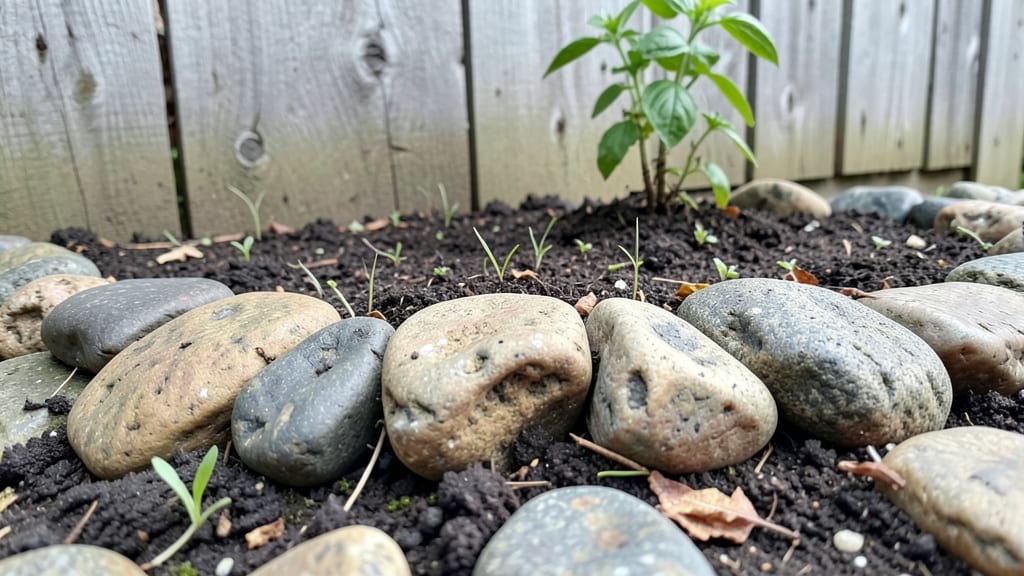
Cobble garden edging creates defined garden borders and pathways that blend natural beauty with long-term durability, using materials like granite, slate, or river rocks that resist weathering and erosion. A properly installed base of sand or gravel keeps stones securely in place for years.
This landscaping technique isn't just about aesthetics—it's a functional solution for controlling soil erosion and guiding foot traffic. 🌿 The right stone choice depends on your climate and style: granite offers rugged permanence, while river rocks provide organic flow.
I've seen cobble edging transform even small yards into structured yet inviting spaces, especially when paired with complementary plants like lavender or ornamental grasses.
Beyond the visual appeal, cobble edging creates natural drainage channels that protect your garden beds from water pooling. The key to longevity lies in the preparation: a compacted gravel base prevents shifting, while the right stone size (typically 2-4 inches) balances stability and visual impact.
For DIYers, this project is surprisingly accessible with basic tools and patience.
💡 In This Article
- How to Choose the Best Cobble Stones for Edging
- Step-by-Step Guide to Installing Cobble Edging
How to choose the best cobble stones for edging
Selecting the right cobble stones for your garden edging starts with understanding their geological properties. Granite, for example, scores 6-7 on the Mohs hardness scale, making it resistant to chipping and ideal for high-traffic areas.
Slate, with a 3-4 hardness, offers a sleek, flat appearance but may require more frequent maintenance in wet climates. River rocks, typically 5-6 hardness, provide natural drainage but can shift over time due to their irregular shapes. 🌟
The size and shape of stones directly impact functionality. Rounded river rocks (2-4 inches in diameter) create organic curves that guide water flow, reducing erosion along pathways. Angular granite (3-5 inches per side) offers sharp definition for geometric garden beds.
Stone porosity also matters—limestone, with its 3-4 hardness, absorbs moisture and may stain if used near acidic soil. For coastal gardens, granite's salt resistance makes it the clear winner.
Color and texture influence both aesthetics and practicality. Granite's speckled patterns add visual interest while its rough surface prevents slipping. Slate's smooth, layered look creates a modern contrast but may require additional grip treatment.
River rocks come in earthy tones that blend seamlessly with natural landscapes, while limestone offers soft whites and grays perfect for cottage-style gardens. Consider your regional palette—northwestern gardens often feature gray slate, while southern landscapes shine with warm river rocks. ✨
Cost varies dramatically by material and source. Granite runs $3-$7 per square foot installed, while river rocks cost $1-$3 per square foot. Slate falls in the mid-range at $4-$6 per square foot.
Local sourcing can cut costs by 30-50%—check nearby quarries or riverbeds for native stones that match your regional climate. For example, New England gardeners often use local slate, while Pacific Northwest landscapes frequently feature basalt cobblestones.
Drainage requirements should dictate your final choice. Highly porous limestone (15-25% porosity) works well in dry climates but may need supplemental irrigation in arid regions. Non-porous granite maintains its structure year-round but can feel colder underfoot.
For wet areas, consider 2-3 inches of crushed gravel beneath stones to prevent water pooling. The key is matching stone properties to your site's natural conditions—this ensures both beauty and functionality. 💫
Don't overlook regional availability when making your selection. Coastal areas often have abundant granite and slate deposits, while inland regions may offer limestone or river rocks. Many landscaping suppliers provide "locally sourced" options that reduce transportation costs and environmental impact.
For example, Texas gardeners frequently use creek rock (a type of limestone), while Pacific Northwest gardens often feature basalt cobblestones. Always verify stone durability in your specific climate—freeze-thaw cycles can crack softer stones like limestone over time.