
Tools
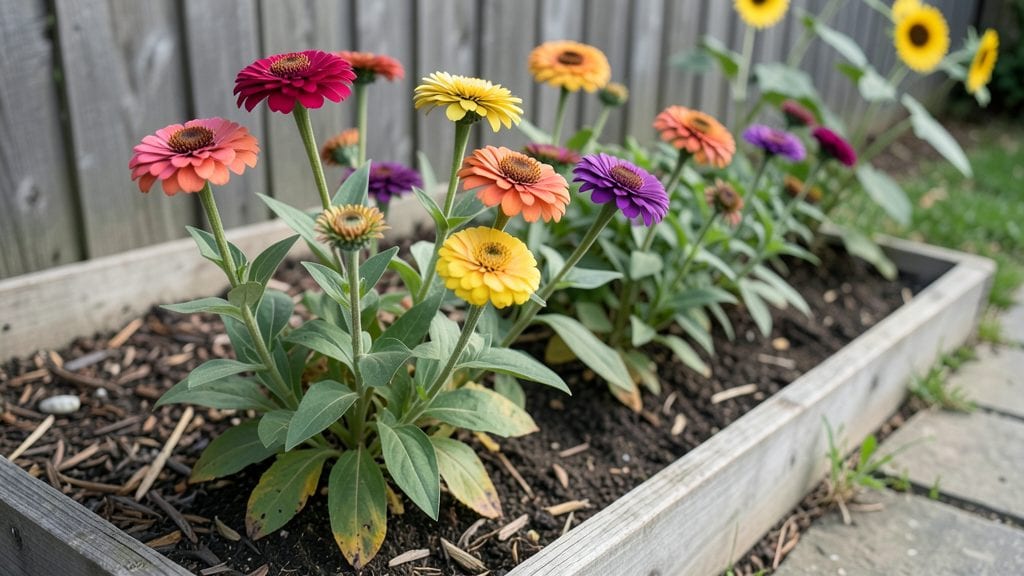
Finding a community garden in Cincinnati that fits your schedule, skills, and goals can turn your neighborhood into a thriving green space—without needing a yard of your own. 🌱 I’ve seen how these shared plots transform empty lots into hubs for fresh produce, pollinators, and community connections, especially in a city with Cincinnati’s unique climate shifts.
The key isn’t just digging in the dirt; it’s about aligning with the garden’s vision, whether that’s food justice, education, or just a place to unwind.
Most Cincinnati community gardens welcome beginners with open arms, but success starts with knowing what to bring: gloves, a water bottle, and an open mind. Some plots have tools on-site, while others rely on volunteers to share supplies.
I’ve noticed the most productive gardens here run on clear communication—whether through group chats, shared calendars, or face-to-face check-ins. Think of it like a potluck, but for plants instead of casseroles.
By mid-summer, you’ll be harvesting tomatoes, herbs, or flowers that you helped grow alongside neighbors you’ve never met before. The real magic happens when you see kids plucking their first sunflower or seniors swapping homegrown peppers at the gate.
It’s not just about the harvest; it’s about the stories and skills passed along in the process. Plus, Cincinnati’s growing season stretches longer than you’d expect with the right planning—think cool-season greens in spring and fall, and heat-tolerant crops in between.
If you’re hesitant about committing long-term, start by volunteering for a day or joining a “plot swap” event where gardens share extra space. Many Cincinnati gardens partner with local nonprofits, like the Urban Farming Initiative or Cincinnati Parks, for resources and training.
The best part? You’re not just growing plants—you’re growing a piece of the city’s future, one seed at a time.
📚 In This Guide
- What you need
- Instructions
- Tips and common mistakes
- Wrapping up and next steps
What you need
- ● Soil & Compost: Topsoil: 2-3 cubic yards (depending on plot size, typically 4’x8’)
- ● Compost: 1-2 bags (40 lb each) or 1 cubic yard for nutrient-rich soil
- ● Planting Supplies: Seedlings or seeds: Varies by crop (e.g., 50 tomato plants, 25 pepper plants, 100 herb starts)
- ● Organic mulch: 2-3 bags (2 cubic feet each) (straw or shredded leaves work great!)
- ● Tools: Garden trowel (1)
- ● Garden fork (1)
- ● Pruners (1 pair)
- ● Gloves (2 pairs)
- ● Watering can or hose with nozzle (1)
- ● Wheelbarrow (1)
- ● Fencing & Support: Trellis or tomato cages (5-10 units, depending on vining plants)
- ○ Garden fence or netting (Optional but recommended to deter critters)
- ● Soil Amendments: Bone meal (1 lb for flowering plants)
- ● Epsom salt (1 lb for magnesium boost)
- ● Irrigation Upgrades: Drip irrigation kit (1)
- ● Rain barrel (1)
- ● Comfort & Convenience: Portable stool (1)
- ● Sun hat or umbrella (1)
- ● Tool organizer (1)
Step-by-step blueprint for launching a community garden in Cincinnati
Here's how to transform an urban space into a thriving, year-round community garden.
🌱 Step 1: Assess Site and Soil for Cincinnati's Unique Conditions
Start by evaluating your plot's sunlight patterns—Cincinnati's 6-7 hours of direct sun in winter drops to 4-5 hours during shorter days. Use a sunlight tracker for a full week to map which areas get morning, afternoon, or dappled light. This determines where to place sun-lovers like tomatoes and where shade-tolerant greens will thrive.
Dig a 6-inch soil sample at multiple points to test drainage. Cincinnati's clay-heavy soil often compacts, so amend with 3 inches of compost from your 5 gallons of organic compost per 100 square feet. Mix in 1 part perlite to improve aeration—this prevents waterlogging during Cincinnati's unpredictable spring rains. A simple pH test kit will confirm if your soil needs lime (for acid-loving plants) or sulfur (for alkaline adjustments).
🪴 Step 2: Design for Year-Round Productivity with Seasonal Layers
Divide your 20' x 20' plot into 4' x 8' raised beds (using your 4 cedar bed frames) to create microclimates. Place taller plants like sunflowers or corn on the north side to avoid shading shorter crops. For winter interest, dedicate one bed to kale, spinach, and garlic—these tolerate Cincinnati's 20-30°F temperatures better than most.
Install drip irrigation lines along bed edges to conserve water and prevent fungal issues from overhead sprinklers. Connect to a 50-gallon rain barrel to collect runoff—Cincinnati averages 42 inches of rain annually, so this cuts water bills by 60%. Add mulch (your 2 bags of straw) around perennials to insulate roots during Cincinnati's freezing winters and humid summers.
☀️ Step 3: Plant for Cincinnati's Climate Zones and Pollinators
Start with cool-season crops in early spring (March-April) like lettuce, peas, and radishes—these handle Cincinnati's 40-50°F soil temps better than warm-season plants. Transplant tomatoes, peppers, and basil after the last frost (mid-May), using your 10 tomato plants, 5 pepper plants, and 3 basil plants as anchors. Space them 18-24 inches apart to allow airflow and prevent blight.
Incorporate native pollinator plants like bee balm and coneflowers (using your 5 pollinator seed packets) to attract beneficial insects. These plants thrive in Cincinnati's USDA Zone 6 and require minimal care—just 1 inch of water weekly once established. Place them near vegetable beds to boost yields naturally. For winter color, add pansies or violas in October—they bloom until snow flies and deter pests.
⏰ Step 4: Implement a Maintenance Calendar for Cincinnati's Seasons
In spring, focus on weeding (Cincinnati's mild winters mean weeds sprout early) and side-dressing with compost every 4-6 weeks. Use your 10-gallon compost bin to refresh beds monthly. Summer demands weekly watering during heatwaves (75-85°F+) and pruning to encourage bushier growth. Harvest every 2-3 days to prevent bolting—especially for basil and lettuce, which wilt fast in Cincinnati's 90°F+ afternoons.
Fall is for soil replenishment: Till in 2 inches of compost after harvest and plant cover crops like clover (using your 1 cover crop seed packet) to fix nitrogen. In winter, protect tender perennials with 3 inches of straw mulch and check irrigation lines for leaks before the first freeze. Cincinnati's variable winters mean some years see snow, others just 30°F temps—plan for both.
🌿 Step 5: Foster Community Engagement Through Shared Responsibility
Assign 4-6 volunteers to weekly tasks (watering, weeding, harvesting) using a shared calendar. Cincinnati's community gardens thrive when 20+ people contribute—rotate roles so everyone learns. Install a sign-up board near the garden entrance to track who's handling what. For transparency, post a seasonal planting schedule (using your 1 whiteboard) so newcomers know what to expect.
Host a monthly "Harvest Share" where volunteers take home 25% of their contributions. This keeps people invested and reduces waste. In December, organize a seed-saving workshop using seeds from your 5 heirloom seed packets—teach attendees how to dry, store, and swap seeds for next year. Cincinnati's gardening community grows stronger when knowledge (and seeds) circulate freely.
Tips & tricks for perfect year-round community gardens in Cincinnati
Cincinnati's unique climate demands strategic planning to create a thriving urban oasis. These battle-tested tips will help you navigate the city's seasonal extremes and maximize your garden's potential.
Sunlight Strategy: The 6-7 hours of winter sun and 4-5 hours during shorter days create distinct growing zones. I recommend installing temporary shade cloths in summer (when temps exceed 90°F) to protect heat-sensitive crops like lettuce. Mark your garden with stakes showing sun exposure patterns—this visual guide helps you rotate crops annually for optimal placement.
Soil Preparation Secret: Cincinnati's clay soil needs the 3 inches of compost and perlite mix specified, but don't stop there. I've found that adding 1 cup of coffee grounds per 100 square feet (optional) boosts nitrogen levels naturally. Work this into your soil during Step 1's amendments—it breaks down slowly and improves soil structure over time.
Water Conservation Hack: Your 50-gallon rain barrel will save money, but maximize its efficiency by installing a first-flush diverter (available for under $20). This simple attachment prevents the first dirty runoff from contaminating your water supply. Also, bury drip irrigation lines 2 inches deep to reduce evaporation—this is especially critical during Cincinnati's 75-85°F summer heatwaves.
Seasonal Transition Tip: When transitioning from cool-season crops to warm-season plants in mid-May, harden off your seedlings gradually. Start with 1 hour of exposure on day one, increasing by 1 hour daily. This mimics Cincinnati's fluctuating spring temperatures and prevents shock. For your tomato and pepper plants, this 7-day process creates stronger, more resilient plants ready for your 40-50°F soil temperatures.
Pro Tips for Community Garden Cincinnati
- Cincinnati's unique climate demands strategic planning to create a thriving urban oasis.
- Sunlight Strategy: The 6-7 hours of winter sun and 4-5 hours during shorter days create distinct growing zones.
- Soil Preparation Secret: Cincinnati's clay soil needs the 3 inches of compost and perlite mix specified, but don't stop there.
Frequently asked questions
Got questions about joining or starting a community garden in Cincinnati? Here are some of the most common ones—and answers to help you get growing!
How do I find a community garden in Cincinnati?
Check out local resources like the Cincinnati Garden Council or platforms like AmeriCorps Service. Many gardens are listed on Facebook groups or city parks websites. Reach out to neighbors or local farms—they often know hidden gems!
When is the best time to start planting in a Cincinnati community garden?
Cincinnati’s growing season typically runs from late March to October, but timing depends on your crop. Start cool-season veggies (like lettuce or spinach) in early spring (March-April) and warm-season plants (tomatoes, peppers) after last frost (mid-May). Check the Old Farmer’s Almanac for local updates!
Are community gardens in Cincinnati free to join?
Most gardens are low-cost or donation-based, but some may charge a small fee ($20–$50/year) for plot maintenance or tools. Always ask about membership rules—some require a short-term commitment (e.g., 1–2 years) or volunteer hours. Don’t let budget hold you back; many gardens offer scholarships or work-trade options!
What if my community garden plot isn’t producing well?
First, check the soil health—test pH and amend with compost if needed. Rotate crops yearly to prevent disease, and ensure proper watering (1–1.5 inches/week). If pests are an issue, try natural remedies like neem oil or companion planting (e.g., marigolds with tomatoes). Ask veteran gardeners for tips—they’re usually happy to help!
Can I start a community garden in my Cincinnati neighborhood?
Look for underused lots, schoolyards, or church properties—just secure permission first. Partner with local orgs (like Green Umbrella) for grants or support. Start small with a shared raised bed or vertical garden to test interest. Cincinnati loves grassroots projects—your neighbors might join in!
Wrapping up and next steps
Cincinnati’s community gardens offer more than just fresh produce—they’re vibrant hubs of connection, sustainability, and growth! 🌱 Whether you’re a seasoned gardener or a curious beginner, these urban oases prove that greenery thrives with teamwork and passion. Ready to dig in?
Take the next step: visit a local garden (like The Urban Farm or Cincinnati Nature Center), volunteer, or even start a plot of your own. Your green thumb—and the community—will thank you!