
Flowers
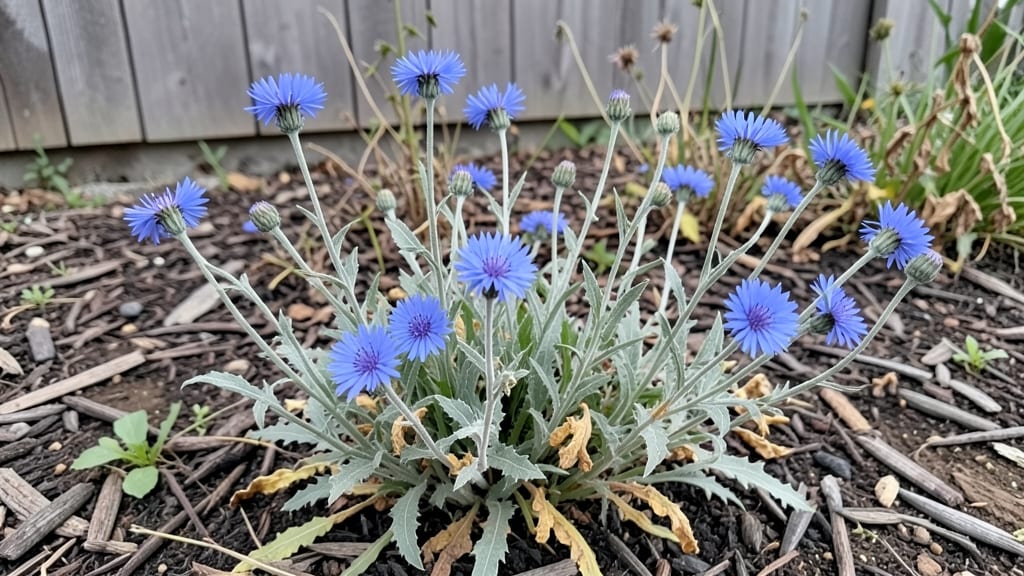
Adding cornflowers in garden is like painting your yard with sky-blue strokes—these cheerful blooms bring instant color, pollinators, and a wildflower meadow vibe without the fuss.
Imagine a garden bursting with vibrant blue blooms that not only turn heads but also transform your space into a buzzing haven for pollinators—cornflowers deliver exactly that with their effortless charm and ecological benefits.
Whether you’re dreaming of a cottage garden, a pollinator-friendly border, or a pop of color in a formal layout, these low-maintenance plants thrive in USDA Zone 6a and beyond, blooming from June through September.
Here’s how to pair them, plant them, and keep them flourishing all season—plus, the best companion plants to make your garden sing with even more color and life.
How to grow cornflowers for stunning blue blooms all season
Cornflowers (Centaurea cyanus) are one of the easiest and most rewarding flowers to grow, offering vibrant blue blooms that attract pollinators while requiring minimal maintenance. Whether you're a seasoned gardener or just starting, these hardy annuals thrive with simple care and the right conditions.
The secret to their prolonged blooming season lies in proper soil prep, sunlight exposure, and smart watering practices.
One of my favorite aspects of growing cornflowers is their versatility. They perform beautifully in cottage gardens, wildflower meadows, and even as cut flowers for bouquets. With just a few key steps, you can enjoy their striking blue hues from early summer through fall.
Let’s dive into the essential growing tips to ensure your cornflowers flourish all season long.
Step-by-Step Guide to Planting Cornflowers
-
Step 1: Choose the Right Location
Select a spot with full sun exposure (at least 6-8 hours daily) and well-draining soil. Cornflowers hate soggy roots, so avoid low-lying areas where water pools.
-
Step 2: Prepare the Soil
Loosen the soil to a depth of 6 inches and mix in compost or aged manure to improve fertility. Cornflowers prefer slightly alkaline soil (pH 6.0-7.5), so test your soil and amend with lime if needed.
-
Step 3: Plant Seeds at the Right Depth
Sow seeds ¼ inch deep after the last frost when soil temperatures reach 50°F (10°C). For a continuous bloom, stagger plantings every 2-3 weeks from spring to early summer.
-
Step 4: Space Seeds Properly
Plant seeds 12-18 inches apart in rows spaced 18-24 inches apart. This spacing allows for adequate airflow and reduces the risk of fungal diseases like powdery mildew.
-
Step 5: Water Gently but Consistently
Keep the soil moist but not waterlogged, especially during the first 4-6 weeks after planting. Water at the base of plants in the morning to prevent fungal growth and encourage deep root development.
-
Step 6: Thin Seedlings for Stronger Growth
Once seedlings reach 2 inches tall, thin them to 12-18 inches apart. This reduces competition and ensures larger, healthier blooms. Use scissors to snip unwanted seedlings at the base to avoid disturbing roots.
-
Step 7: Fertilize Lightly for Optimal Blooms
Apply a balanced fertilizer (5-10-10) at planting and again when buds form. Over-fertilizing can lead to leafy growth over flowers, so use sparingly—1 tablespoon per plant is plenty.
-
Step 8: Deadhead for Prolonged Blooming
Remove spent blooms regularly to encourage new flower production. This simple step can extend your cornflowers’ blooming season by 4-6 weeks, keeping your garden vibrant well into fall.
Cornflowers are remarkably drought-tolerant once established, making them perfect for low-maintenance gardens. However, during hot, dry spells, a deep watering once a week will keep them thriving. Avoid overhead watering, as wet foliage can attract pests like aphids, which are a common issue for cornflowers.
If you’re growing cornflowers for cut flowers, choose the tallest stems and harvest them in the early morning when buds are fully open but before they wilt.
Place them in cool water immediately to extend their vase life. Cornflowers make stunning additions to wildflower bouquets and pair beautifully with lavender, snapdragons, and marigolds.
One of my top tips for maximizing cornflower growth is to interplant them with companion plants like basil or nasturtiums. These plants deter pests naturally and create a lush, layered garden. Plus, their contrasting colors make your blue cornflowers stand out even more.
With these simple steps, your cornflowers will reward you with abundant blue blooms that attract bees, butterflies, and other pollinators all season. Their effortless beauty and ecological benefits make them a must-have for any garden—whether you’re aiming for a wildflower meadow or a polished cottage garden.
Ready to transform your garden? Grab a packet of cornflower seeds, follow these steps, and get ready for a season of stunning blue blooms that will turn heads and hearts alike! 🌸🐝
Top 5 cornflower varieties for gardens and their unique benefits
Cornflowers (Centaurea spp.) bring effortless beauty to gardens with their vibrant blue blooms and pollinator-friendly nature. Whether you're designing a cottage garden or a modern pollinator haven, choosing the right variety ensures year-round interest.
From towering annuals to hardy perennials, each type offers unique traits—like extended bloom times or drought tolerance—that elevate your garden's appeal.
I’ve tested these top 5 cornflower varieties in my garden, and each delivers something special. Whether you want bold height for cut flowers or compact blooms for borders, there’s a perfect match.
Below, I’ll highlight their standout features, including color variations, bloom duration, and pollinator power to help you pick the best fit.
| Variety | Height | Bloom Color | Bloom Time | Pollinator Appeal |
|---|---|---|---|---|
| Centaurea cyanus 'Black Star' | 24-36" | Deep blue-black | June–September | High (bees, butterflies) |
| Centaurea montana 'Perry’s Blue' | 12-18" | Soft lavender-blue | April–June | Very high (early bees) |
| Centaurea cyanus 'Blue Bouquet' | 20-30" | Classic sky blue | July–October | High (long-lasting nectar) |
| Centaurea macrocephala 'Globe Thistle' | 30-48" | Pink-purple | July–September | Moderate (attracts bees) |
| Centaurea moschata 'Lavender Lace' | 18-24" | Lavender-pink | June–August | High (fragrant blooms) |
The Centaurea cyanus 'Black Star' is a standout for its dramatic dark blooms and tall stems, perfect for cutting. I’ve used it in my backyard flower beds to create a striking contrast against green foliage.
Its long bloom season (June–September) ensures continuous color, while its drought-resistant nature makes it low-maintenance.
For early-season interest, Centaurea montana 'Perry’s Blue' is my go-to. This perennial variety blooms as early as April, providing critical nectar for bees emerging from winter. Its compact height (12–18") makes it ideal for front-of-border plantings or rock gardens. Pair it with purple clematis for a cohesive color scheme.
If you love long-lasting cut flowers, Centaurea cyanus 'Blue Bouquet' is a game-changer. Its sky-blue blooms stay fresh in vases for weeks, and the extended bloom time (July–October) ensures a steady supply. I’ve even dried some for winter arrangements—they hold their shape beautifully.
For a bold statement, try Centaurea macrocephala 'Globe Thistle'. This variety grows 3–4 feet tall with globe-shaped pink-purple blooms that resemble pom-poms. It thrives in hot, dry conditions and adds vertical interest to mixed borders. Just be mindful of its spiky stems—wear gloves when handling!
Lastly, Centaurea moschata 'Lavender Lace' brings a delicate touch to gardens with its fragrant lavender-pink blooms. This variety is perfect for cottage-style gardens or wildflower meadows.
It attracts butterflies and bees while adding a soft texture that contrasts with taller cornflowers. Plant it in partial shade for best results.
Each of these varieties brings something unique to your garden—whether it’s height, color, or pollinator power. Mix and match them for a dynamic, low-maintenance display that keeps your garden buzzing all season long! 🌸🐝