
Landscaping
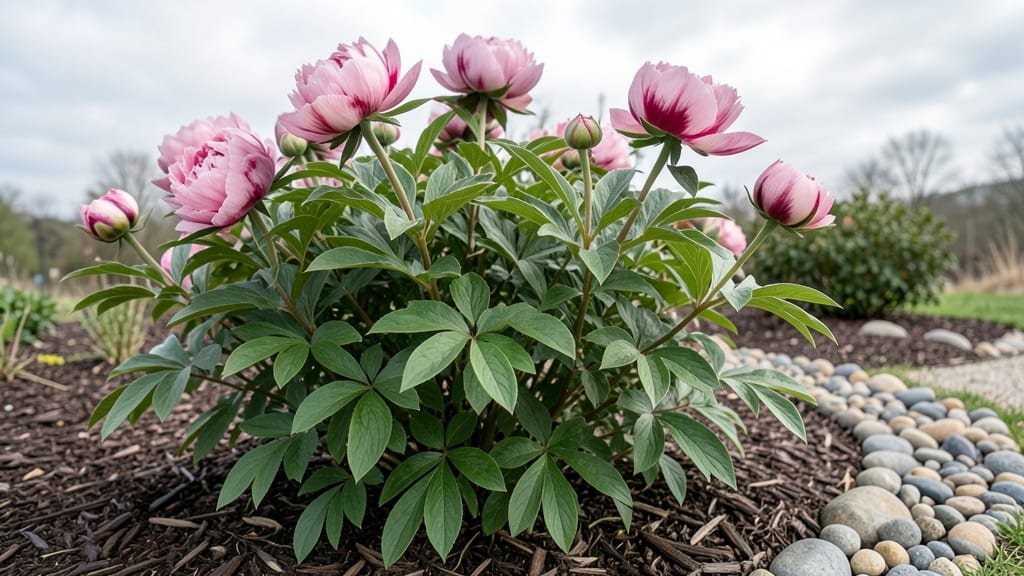
A landscaping peony garden turns your yard into a fragrant, dreamy retreat that keeps giving for decades—mine planted last spring now blooms effortlessly each year with just a little pruning and patience. ✨ The secret lies in how you arrange them: clumps of 3-5 plants spaced 3 feet apart, surrounded by plants that love the same shade and soil.
Peonies thrive in full sun but appreciate afternoon shade in hot climates. Pair them with lavender for contrast, columbines for height, or ornamental grasses to soften their bold foliage. The color palette?
Soft pinks, creamy whites, and deep reds create a romantic, cottage-core vibe that never feels dated. Even in winter, the skeletal stems add texture to the garden.
You’ll end up with a garden that smells like spring all season—sweet, honeyed blooms that attract bees and hummingbirds. The plants get stronger each year, with fewer floppy stems and more vibrant flowers.
By year three, you’ll have a showstopper that neighbors will envy. The best part? Once established, peonies need almost no care beyond occasional staking.
Works in borders, cottage gardens, or even as a standalone statement. Whether you’re starting fresh or refreshing an existing bed, peonies bring effortless elegance. Let’s make your yard the talk of the neighborhood!
📚 In This Guide
- What you need
- Instructions
- Tips and common mistakes
- Wrapping up and next steps
What you need
- ● Peony plants: 5–10 healthy, bare-root or potted peonies (herbaceous or tree types). Choose varieties like 'Sarah Bernhardt' or 'Kansas' for vibrant blooms!
- ● High-quality soil: 2–3 cubic yards of well-draining, fertile garden soil (amend with compost if needed). Peonies love loamy, slightly alkaline soil (pH 6.5–7.5).
- ● Organic mulch: 2–3 inches of wood chips, straw, or shredded bark to retain moisture and suppress weeds.
- ● Fertilizer: A balanced 10-10-10 or low-phosphorus fertilizer (follow package instructions for application rates).
- ○ Peony rings (optional but recommended): Metal rings to secure stems and prevent flopping in windy areas.
- ● Garden shovel or spade
- ● Garden fork (for aerating soil)
- ● Pruning shears (sterilized to avoid disease)
- ● Wheelbarrow (for hauling soil/mulch)
- ● Garden hose or sprinkler
- ● Measuring tape (to space plants 2–3 feet apart)
- ● Gloves (to protect your hands from thorns!)
- ● A sunny location with at least 6–8 hours of direct sunlight daily.
- ● Well-draining soil (avoid soggy areas—peonies hate wet feet!).
- ● Time to plan! Peonies are long-term investments—blooms may take 2–3 years to fully establish.
- ● Patience (and maybe a cuppa tea while you wait for those showstopping blooms!).
Step-by-step instructions for designing a stunning peony garden
Peonies reward patience with decades of lush blooms—here’s how to create a showstopping display.
🌱 Step 1: Choose the Perfect Planting Location
Peonies demand full sun—at least 6-8 hours daily—for strong stems and vibrant blooms. I always scout the site in late afternoon when shadows are longest to map sunlight patterns. Avoid low spots where cold air settles, as peonies resent soggy roots. The ideal spot gets morning sun and afternoon shade in hot climates, preventing flower scorch.
Test your soil’s drainage by digging a 12-inch hole and filling it with water. If it drains in under an hour, your site is perfect. Amend heavy clay with 2-3 inches of compost mixed into the top 6 inches of soil. Peonies hate competition, so remove weeds and grass within a 3-foot radius—they’ll spread slowly but steadily.
🪴 Step 2: Plant Peony Crowns at the Right Depth
Peony crowns (the knobby base where roots meet stems) must sit 1-2 inches below soil level—never deeper. Dig a hole 2 feet wide and deep to accommodate spreading roots. I place 2-3 inches of coarse sand at the bottom to improve drainage, especially in clay-heavy soils. This prevents crown rot, which kills plants in just weeks.
Position the crown horizontally with roots fanning out naturally. Backfill with native soil mixed with compost, tamping gently to eliminate air pockets. Water deeply until moisture reaches 6 inches down, then let the soil settle for 24 hours before adding a 2-inch layer of mulch. This protects young roots from temperature swings while keeping moisture consistent.
☀️ Step 3: Arrange for Long-Term Beauty and Function
Space peonies 3-4 feet apart for dramatic clusters that mature into a seamless border. Group odd-numbered plants (3, 5, or 7) for natural, flowing lines—this creates visual interest while allowing airflow to prevent disease. I always plant taller varieties toward the back and shorter ones in front, creating layers that frame pathways or patios.
Add companion plants like lavender, catmint, or daylilies to fill gaps in early years. These perennials thrive in peony conditions and mask bare soil until your peonies establish. Avoid fast-spreading ground covers—they’ll strangle peony roots as they mature. Water newly planted crowns once a week for the first month, then taper to every 10-14 days once established.
✂️ Step 4: Prune and Maintain for Decades of Blooms
Wait until late spring, after the first true leaves emerge but before buds swell, to prune. Cut back last year’s foliage to 6 inches above the ground—this encourages strong new growth and prevents fungal diseases. I never remove leaves until they yellow naturally in fall; they feed the roots through photosynthesis until frost.
Fertilize lightly in early spring with a balanced 10-10-10 formula, using ½ cup per plant. Over-fertilizing produces lush foliage but weak stems that flop under heavy blooms. Divide clumps every 5-7 years in early fall by digging up the crown and splitting into sections with 3-5 eyes each. Replant immediately and water deeply to reduce transplant shock.
Tips & tricks for perfect peony garden landscaping
Here's what I've learned after years of growing peonies that keep coming back bigger and more beautiful every season.
Sunlight Strategy: That 6-8 hour daily sun requirement is non-negotiable for vibrant blooms, but here's the trick: in hot climates, I plant peonies where they get morning sun and afternoon shade. This prevents the flowers from cooking in midday heat while still giving them enough light to thrive. I've seen peonies in full afternoon sun get scorched and wilted—don't make that mistake!
Drainage is Everything: The 24-hour settling period after planting is crucial for proper drainage. I've seen too many peony crowns rot because they were planted in poorly draining soil. That's why I always do the 12-inch hole test first—if water drains in under an hour, the site is perfect. For clay-heavy soils, I mix in that 2-3 inches of coarse sand at the bottom of the hole to create a proper drainage layer.
Planting Depth Matters: Getting that crown depth right at 1-2 inches below soil level can make the difference between a thriving peony and one that struggles. I always mark the crown level with a pencil before digging, then use a level to ensure it stays perfectly horizontal. Too deep and you'll get rot, too shallow and the plant won't anchor properly.
Companion Planting Wisdom: Those companion plants like lavender and daylilies aren't just filling gaps—they're creating a beneficial ecosystem. I've found that lavender deters deer while daylilies help suppress weeds naturally. Plus, they all have similar water needs, making maintenance easier. Just avoid anything that spreads aggressively like mint or creeping Charlie.
Pro Tips for Landscaping Peony Garden
- Here's what I've learned after years of growing peonies that keep coming back bigger and more beautiful every season.
- Sunlight Strategy: That 6-8 hour daily sun requirement is non-negotiable for vibrant blooms, but here's the trick: in hot climates, I plant peonies where they get morning sun and afternoon shade.
- Drainage is Everything: The 24-hour settling period after planting is crucial for proper drainage.
Frequently asked questions
Got questions about creating your dream landscaping peony garden? You’re not alone—these classic blooms are stunning but come with unique care needs. Here are answers to the most common queries to help you design and maintain a thriving peony paradise:
When is the best time to plant peonies for long-term success?
Plant peonies in early fall (4–6 weeks before the ground freezes) or early spring (as soon as the soil is workable). Fall planting gives roots time to establish before winter, while spring planting avoids frost heave. Avoid transplanting mature peonies—they hate being disturbed! If you must move them, do it in early fall and water deeply afterward.
How long do peonies take to bloom after planting?
Patience is key! Peonies are slow to mature—2–3 years for herbaceous types and 3–5 years for tree peonies. The first year focuses on root growth, so don’t expect flowers. With proper care (sun, soil, and water), you’ll be rewarded with decades of lush blooms—some varieties live for 100+ years!
Do peonies need full sun, and how much water do they tolerate?
Yes! Peonies thrive in 6–8 hours of full sun daily. They’re drought-tolerant once established but need 1–1.5 inches of water weekly during their first growing season. Overwatering can cause root rot, so ensure well-draining soil. Mulch (2–3 inches) helps retain moisture and regulate soil temperature.
What pests or diseases should I watch for in a peony garden?
Peonies are generally low-maintenance, but keep an eye out for:
- Peony leaf blight: Brown spots on foliage? Prune infected leaves and improve airflow.
- Botrytis blight: Gray mold on buds? Space plants 2–3 feet apart and avoid overhead watering.
- Peony sawfly larvae: Skeletons of chewed leaves? Handpick pests or use insecticidal soap.
Prevention is easier than treatment—remove spent blooms promptly and avoid wetting foliage.
Can I grow peonies in containers, or do they need garden beds?
Peonies prefer garden beds (they’re heavy rooters), but herbaceous varieties can thrive in large containers (18+ inches deep) with well-draining soil. Tree peonies struggle in pots due to their woody stems. If container-grown, move pots to a sheltered spot in winter and water moderately—never let them sit in soggy soil.
What are some low-maintenance peony varieties for beginners?
Start with these reliable picks:
Variety
Color
Height
Notes
Sarah Bernhardt
Coral-pink
30–36"
Classic, fragrant, and very hardy.
Bowl of Beauty
Pink with yellow center
24–30"
Double blooms; great for cutting.
Krinkled White
Pure white
24–30"
Disease-resistant and long-lasting.
All three are Zone 3–8 hardy and perfect for first-time peony gardeners!
Wrapping up and next steps
Creating a landscaping peony garden is a labor of love that rewards you with breathtaking blooms for decades—if not generations! 🌸 With the right soil prep, strategic plant placement, and a little seasonal care, your garden will become a fragrant, romantic retreat.
The key is patience and consistency, but trust us, the effort is worth every vibrant petal.
Ready to dive in? Start small—pick a sunny spot, gather your tools, and let your peony dreams take root! Whether you’re a seasoned gardener or a curious beginner, there’s no better time than now to craft your own peony paradise. Happy planting! 🌿