
Tools
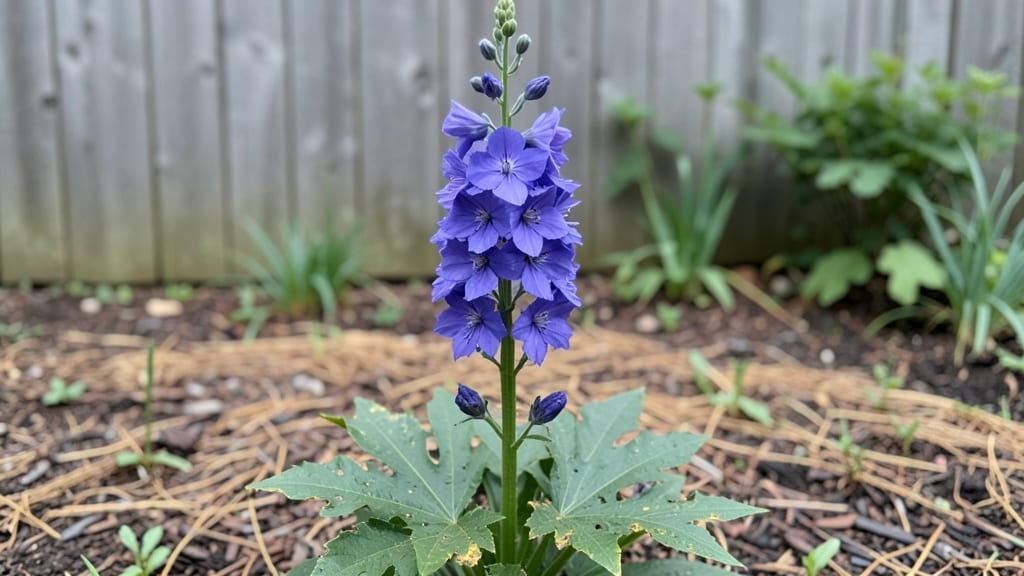
Delphiniums in the garden are the dramatic divas of the flower world—those sky-piercing spikes of blue that make every border look like a masterpiece. 🌿 I planted mine last spring after years of admiring them in catalogs, and now they’re the first thing visitors notice when they walk up my path.
They don’t just fill space; they command it, whether you’re going for cottage charm or modern structure.
The secret to making them work isn’t complicated—just group them in odd numbers (3, 5, or 7 plants) so they feel intentional, not scattered. Space them 18–24 inches apart to let their foliage breathe, and pair them with shorter perennials like salvia or catmint to highlight their height.
In my garden, they anchor a blue-and-white theme, but they’d also shine in a moody purple-and-gray palette or alongside silver foliage for contrast.
By midsummer, you’ll have 6-foot-tall towers of blooms that last for weeks with proper deadheading. The fragrance is subtle but addictive—like a summer breeze carrying lavender and honey.
And here’s the best part: they come back year after year, getting stronger with each season if you give them well-draining soil and a little winter mulch.
Works in full sun or partial shade, so they adapt to almost any spot. Whether you’re designing a cutting garden, a pollinator-friendly meadow, or a classic English border, these plants deliver instant drama with minimal fuss. Let’s make them the stars of your garden too.
📚 In This Guide
- What you need
- Instructions
- Tips and common mistakes
- Wrapping up and next steps
What you need
- ● Delphinium plants: Seeds (0.5–1 oz per 10 sq ft) – Choose heirloom varieties like 'Pacific Giant' or 'Black Knight' for bold colors.
- ● OR Potted seedlings (3–4 plants per 10 sq ft) – Look for sturdy stems and vibrant blooms.
- ● Bulbs (if applicable, e.g., Delphinium ajacis) – Plant 3–5 bulbs per cluster.
- ● Well-draining soil: Mix 1 part compost with 2 parts garden soil (pH 6.5–7.5). Delphiniums hate soggy roots!
- ● Slow-release fertilizer: 5–10–10 (1 tbsp per plant at planting time). Too much nitrogen = floppy stems.
- ● Mulch: 2–3 inches of organic mulch (e.g., straw or shredded bark) to retain moisture.
- ● Trowel or hand shovel – For digging holes (6–8 inches deep for bulbs/seeds).
- ● Garden fork – To loosen compacted soil.
- ● Pruners – For deadheading spent blooms (sterilize with rubbing alcohol!).
- ● Watering can or hose with a gentle spray nozzle – Avoid blasting stems!
- ○ Garden gloves – Optional but highly recommended (delphiniums can be prickly!).
- ● Stakes or tomato cages (6–12 inches tall) – Tall varieties need support!
- ● Sunlight: Full sun (6+ hours daily). Partial shade in hot climates prevents bolting.
- ● Spacing: Dwarf varieties: 12–18 inches apart.
- ● Tall varieties: 24–36 inches apart.
- ● Watering schedule: Keep soil consistently moist (not waterlogged) until established. Drought-stressed plants flop!
- ● Cold hardiness: Most delphiniums tolerate USDA Zones 3–8. Hardy perennials may need winter mulch in Zone 8+.
Step-by-Step guide to planting and growing delphiniums in your garden
Here's how to create a showstopping display with these elegant, towering blooms that thrive with minimal fuss.
🌱 Step 1: Choose the Perfect Planting Spot
Delphiniums crave full sun—at least 6 hours daily—but they’ll tolerate morning sun with afternoon shade in hotter climates. I always pick a location with good air circulation to prevent mildew, which loves the damp foliage these plants produce. Avoid low spots where water pools after rain.
Test your soil’s drainage by digging a 12-inch deep hole and filling it with water. If it doesn’t drain within 2 hours, amend the area with 2-3 inches of sand or grit mixed into the top 12 inches of soil. Delphiniums hate soggy roots, so drainage is non-negotiable.
🪴 Step 2: Prepare the Soil for Strong Roots
Work 3-4 inches of compost into the top 12 inches of soil to enrich it without overwhelming the plants. Delphiniums prefer slightly alkaline soil, so if your garden runs acidic, sprinkle 1 pound of crushed limestone per square foot and mix it in. You’ll see healthier stems and bigger blooms when the pH is just right.
Dig planting holes 18-24 inches apart for single stems or 3 feet apart for clusters, since delphiniums grow 3-6 feet tall. The hole should be just deep enough to bury the root ball without bending the stems—think of it as a snug fit, not a deep grave.
☀️ Step 3: Plant and Stake for Support
Gently remove the plant from its container and tease the roots apart if they’re circling. Place it in the hole so the top of the root ball sits 1 inch below soil level—this prevents rot while keeping stems sturdy. Backfill with native soil, pressing lightly to remove air pockets but not compacting too hard.
Drive a 6-foot tall stake into the ground 4-6 inches away from each plant at planting time. Delphiniums are top-heavy, and waiting to stake them often leads to snapped stems mid-summer. Tie stems loosely to the stake with soft plant ties as they grow, adjusting every 2-3 weeks to avoid cutting into the stems.
💧 Step 4: Water Deeply and Mulch to Retain Moisture
Water immediately after planting to settle the soil, then 1 inch per week thereafter—more in extreme heat. I like to water at the base in the morning so foliage dries quickly, reducing mildew risk. Avoid overhead watering, which can spread fungal spores.
Spread 2-3 inches of mulch around each plant, keeping it 2 inches away from the stems to prevent rot. Use organic mulch like shredded bark or straw, which breaks down slowly and adds nutrients. Replenish mulch yearly to maintain moisture and suppress weeds.
✂️ Step 5: Deadhead and Fertilize for Continuous Blooms
Once flowers fade, snip spent blooms back to the first set of healthy leaves to encourage more blooms. I always use clean, sharp pruners to avoid damaging stems. Fertilize lightly in early spring with a balanced 10-10-10 fertilizer, then again after the first flush of blooms. Too much nitrogen leads to lush foliage but fewer flowers.
In late summer, cut back stems by one-third to encourage a second flush of blooms. This also tidies up the plant and prevents it from looking ragged. Divide clumps every 3-4 years in early spring to keep plants vigorous—dig up the entire clump, separate the roots, and replant the healthiest sections.
Tips & tricks for perfect Delphinium planting and growth
These simple yet game-changing tips will help you grow delphiniums that reach their full dramatic potential—and stay healthy all season long.
Sunlight Strategy: In Step 1, when choosing your planting spot, I can't stress enough how critical that 6 hours of full sun is. If your climate gets brutally hot afternoons, morning sun with afternoon shade works, but watch closely—delphiniums need sunlight to develop those iconic towering stems. I've seen them flop dramatically when they don't get enough light, especially in the first few weeks after planting.
Drainage Test Hack: The 2-hour drainage test in Step 1 is non-negotiable, but here's a pro move: after digging your test hole, add a handful of perlite or coarse sand to the bottom before planting. This creates instant drainage channels right where the roots will grow. I've saved multiple delphiniums from root rot by doing this extra step—it's worth the 2 minutes it takes.
Staking Timing: Don't wait until you see leaning stems to stake your delphiniums in Step 3! Drive those 6-foot stakes at planting time, even if they seem overkill. I learned this the hard way after watching perfectly healthy plants snap in summer storms. The stakes should be 4-6 inches away from the stems—close enough to support but not crowd the plant. Adjust those soft ties every 2-3 weeks as the stems thicken, or you'll end up with grooves in the stems.
Watering Wisdom: That 1 inch per week guideline in Step 4 is perfect, but here's the secret: water deeply but infrequently. Instead of daily light sprinkles, give your delphiniums a thorough soaking at the base once a week. This encourages deep root growth and prevents those pesky fungal issues from overhead watering. In extreme heat, you might need to water twice a week—but always check the soil first by sticking your finger 2 inches deep. If it's dry, water; if it's moist, wait.
Pro Tips for Delphinium In Garden
- These simple yet game-changing tips will help you grow delphiniums that reach their full dramatic potential—and stay healthy all season long.
- Sunlight Strategy: In Step 1, when choosing your planting spot, I can't stress enough how critical that 6 hours of full sun is.
- Drainage Test Hack: The 2-hour drainage test in Step 1 is non-negotiable, but here's a pro move: after digging your test hole, add a handful of perlite or coarse sand to the bottom before planting.
Frequently asked questions
Got questions about growing delphiniums in your garden? You’re not alone! These stunning blooms are a favorite, but they do come with some quirks. Here are answers to the most common queries to help you cultivate show-stopping delphiniums with confidence.
How do I keep my delphiniums from flopping over?
Delphiniums are tall and top-heavy, so staking is key! Use bamboo stakes or pea sticks tied gently with soft twine to support stems. Plant them in well-drained soil and avoid overwatering—soggy roots weaken stems. For extra stability, try dwarf varieties like ‘Blue Bird’ or ‘Pacific Giant,’ which stay shorter and sturdier.
When is the best time to plant delphiniums?
For spring blooms, plant bare-root delphiniums in early spring (as soon as the ground is workable). If using potted plants, wait until after the last frost. For fall color, plant in late summer to early fall—just give them time to establish roots before winter. Pro tip: Delphiniums hate transplant shock, so soak roots in water for 1–2 hours before planting!
Why are my delphinium leaves turning yellow?
Yellowing leaves usually signal overwatering or poor drainage. Delphiniums prefer dry to moderately moist soil—let the top inch dry out between waterings. Check for root rot (black, mushy roots) and improve drainage by amending soil with compost or perlite. Pests like aphids can also cause yellowing; blast them off with water or use neem oil if needed.
Can I grow delphiniums in containers?
Choose large, deep containers (at least 12–18 inches wide) with drainage holes. Use a lightweight potting mix (add perlite or sand for aeration) and pair delphiniums with shorter companions like salvia, lavender, or dwarf coneflowers. Water consistently but avoid soggy soil, and fertilize lightly with a balanced, low-nitrogen feed every 4–6 weeks.
What are some great delphinium color alternatives?
While blue and purple are classic, delphiniums come in pinks, whites, and even rare yellows! Try ‘Black Night’ for deep burgundy, ‘Fairy Tale’ for soft pink, or ‘Blue Bird’ for sky-blue blooms. For longer vase life, opt for double-flowered varieties like ‘Summer Skies.’ Mix colors for a dramatic cottage-garden effect—just ensure they get full sun!
Wrapping up and next steps
Adding delphiniums to your garden is like inviting a dramatic, long-lasting star to the show—one that thrives with minimal fuss once established. Their striking heights, vibrant blooms, and resilience make them a must-have for any space, from cottage gardens to modern landscapes.
Whether you’re drawn to their romantic charm or their low-maintenance elegance, these towering beauties will reward your efforts with year-round interest.
Ready to transform your garden? Start small—plant a few delphiniums this season, experiment with colors, and watch as they elevate your outdoor space into a breathtaking focal point. Happy gardening! 🌸✨