Tools
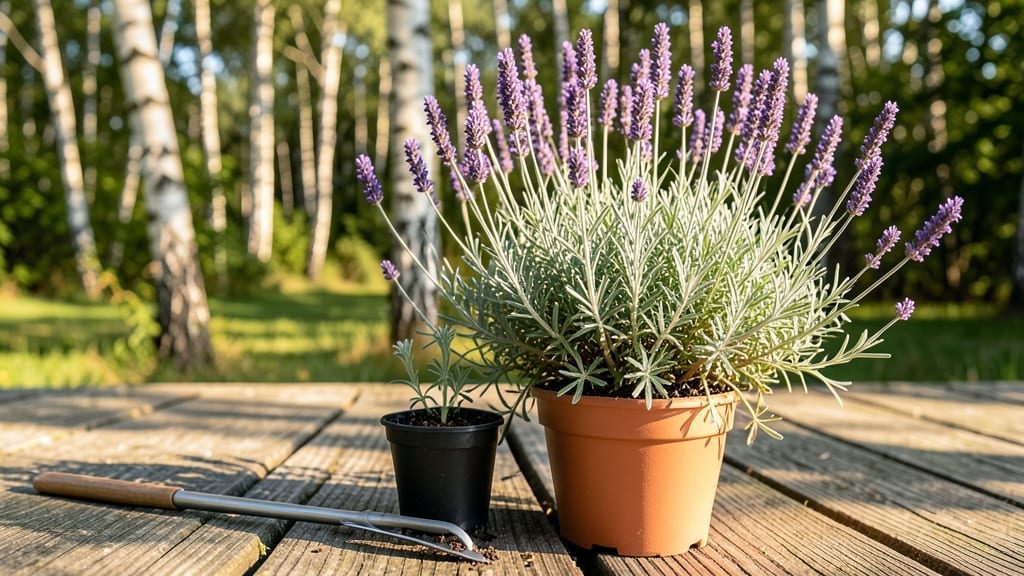
A dibber garden tool makes planting seeds and small transplants effortless by creating clean, evenly spaced holes with just a press and lift. This simple tool ensures seeds go exactly where they should for better growth and faster germination.
A dibber's real magic lies in its precision—no more guessing how deep to poke or struggling with uneven holes. 🌱 The right depth matters because seeds need consistent soil coverage to germinate properly, and this tool delivers that every time.
I've seen gardeners cut their planting time in half by using one, especially when dealing with delicate seedlings or tiny seeds like lettuce or carrots.
Beyond speed, dibbers also protect your hard work from hungry birds or uneven soil settling that can bury seeds too deep. The best part? They're lightweight and affordable, making them a must-have for both beginners and seasoned gardeners alike.
💡 In This Article
- How Dibbers Improve Seed Germination Rates
- Choosing the Right Dibber for Your Garden Needs
How dibbers improve seed germination rates
Here's what actually happens when you use a dibber: it creates a perfectly sized hole that matches the seed's depth requirements, which is critical for germination. Seeds like lettuce or carrots need to be planted at a specific depth—typically 1/4 to 1/2 inch—to balance moisture exposure and soil contact.
A dibber ensures this consistency, unlike fingers which can create uneven holes that may bury seeds too deep (slowing germination) or leave them exposed (drying them out). The tool's rigid shaft also prevents soil compaction around the seed, which improves root penetration and nutrient uptake.
The science behind this involves soil aeration and moisture retention. When you press a dibber into soil, it displaces earth without compressing it like a trowel would. This creates a loose environment where roots can easily push through, while maintaining proper moisture levels at the seed's surface.
For example, a 1/4-inch diameter dibber is ideal for tiny seeds like basil, while a 1/2-inch version works better for larger seeds like beans. The uniformity also protects seeds from being pecked by birds or washed away by rain, which are common issues with hand-planted seeds.
What most people don't realize is how dibbers compare to other tools. A trowel creates wider holes that can disturb nearby plants' roots, while fingers often create inconsistent depths. For delicate seedlings like tomatoes or peppers, a dibber's precision means less transplant shock when moving them from pots to soil.
The tool's lightweight design also reduces hand fatigue during large planting sessions, making it ideal for gardeners with 50+ plants to place.
Consider these key factors for different seed types:
- Small seeds (lettuce, carrots): Use a 1/4-inch dibber for 1/8-inch depth—this prevents over-burying while keeping soil moist
- Medium seeds (beans, peas): 1/2-inch dibber at 1-inch depth ensures proper root development
- Large seeds (squash, pumpkins): A 3/4-inch dibber at 1-2 inches deep protects them from drying out
The tool's material also plays a role in performance. Metal dibbers stay sharp longer and work well in hard or rocky soil, while wooden versions are gentler on delicate seedlings. Plastic dibbers are lightweight but may wear faster in heavy clay soils.
For gardeners with bulbs or cuttings, specialized dibbers with wider tips create the perfect hole for their larger size without disturbing surrounding soil.
One surprising benefit is how dibbers help with seed spacing. Many gardeners struggle to maintain 2-3 inch spacing between seeds, which leads to overcrowding. A dibber lets you mark planting lines with its edge, creating a grid pattern that ensures proper air circulation and reduces disease risk.
This is especially valuable for high-value crops like tomatoes where yield depends on individual plant health.
For the best results, always press the dibber straight down and lift gently to avoid collapsing the hole. If working with sandy soil, you might need to press slightly harder to create a firm enough hole.
The key takeaway? A dibber doesn't just save time—it creates the ideal planting environment for seeds to thrive from day one. 🌱