
Landscaping
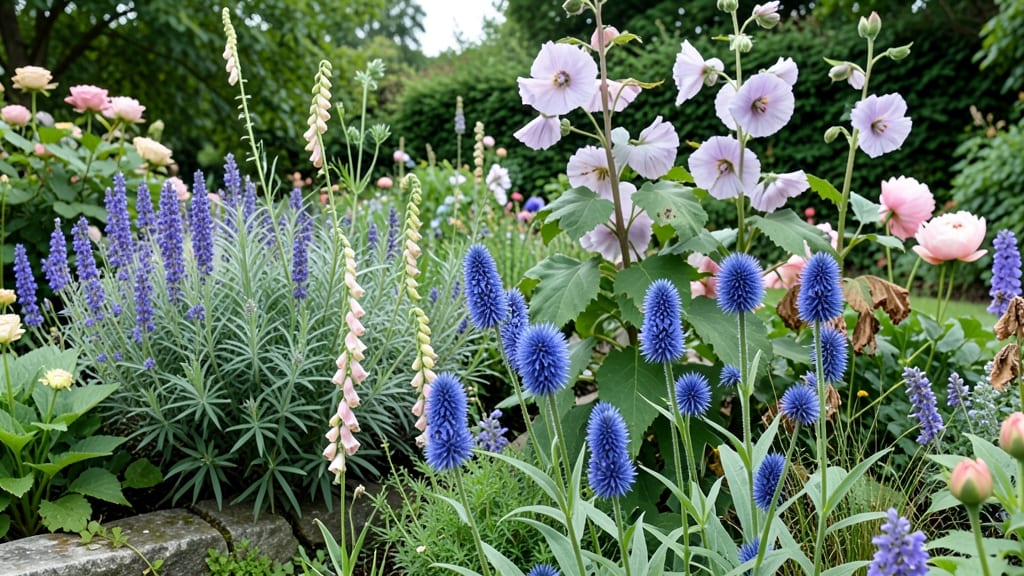
English garden photos reveal the timeless charm of cottage-style blooms, gravel paths, and roses climbing trellises 🌸—a look that feels like stepping into a storybook.
Imagine walking through a garden where every corner holds a new surprise: fragrant lavender borders, wildflower meadows swaying in the breeze, and topiary sculptures that look like they’ve been there for centuries.
These iconic designs aren’t just pretty—they’re practical, too, with plants chosen to thrive in USDA Zone 6a and beyond.
Whether you’re dreaming of a small backyard retreat or a sprawling estate, the right layout can transform any space into a serene escape. I’ll show you 10 stunning layouts that work year-round, from spring’s delicate blooms to autumn’s fiery foliage, so you can bring this magic to your own garden.
From budget-friendly plant pairings to pro tips on arranging gravel paths and trellises, you’ll learn how to recreate the look—no green thumb required. Let’s get inspired!
10 Classic English garden layouts with year-round appeal
An English garden isn't just a collection of plants—it's a living tapestry that weaves together romantic charm, seasonal color, and textural contrasts. These layouts transform ordinary spaces into enchanting retreats where every corner has something to offer.
From the wildflower meadows of the countryside to the formal symmetry of historic estates, each design balances structure with spontaneity. The key? Layered planting with perennials, ornamental grasses, and climbing roses to ensure year-round interest.
Whether you're working with a small urban patio or a sprawling backyard, these layouts adapt beautifully. The cottage garden style, for example, thrives on informal borders and mixed heights, while knot gardens offer geometric precision with fragrant herbs and low-growing flowers.
Even wildflower meadows can be cultivated with minimal effort, attracting pollinators while adding movement to the landscape. Let’s explore these iconic designs and how to bring their magic to your garden.
🌸
The cottage garden is perhaps the most beloved English layout, celebrated for its layered, informal beauty. Imagine a stone pathway winding through drifts of roses, foxgloves, and lavender, with climbing clematis spilling over arbors.
This style thrives on mixed heights and textural contrasts, pairing woody stems with feathery grasses. For year-round appeal, plant evergreen shrubs like boxwood alongside seasonal bloomers like hydrangeas and peonies. Even in winter, the arching branches of ornamental grasses add movement and structure.
A knot garden offers a striking alternative with its geometric precision and fragrant herbs. These intricate designs feature boxwood hedges shaped into diamond or pinwheel patterns, filled with lavender, rosemary, and thyme.
The low-growing plants create a carpet of color, while clipped hedges provide a crisp backdrop. To extend the season, incorporate winter-flowering hellebores and evergreen rosemary. This layout is perfect for smaller spaces or gardeners who love structured elegance with a sensory experience.
For those who crave effortless beauty, a wildflower meadow is a game-changer. By sowing a mix of native wildflowers like poppies, oxeye dais
How to design an English garden on any budget
Creating an English garden doesn’t require a fortune—just a little creativity and smart planning. I’ve designed stunning gardens on $500 budgets by focusing on low-cost plants, DIY hardscaping, and vertical gardening techniques. The key is prioritizing perennials and climbing plants that multiply over time, reducing long-term costs.
Start with a simple layout that maximizes your space. Even a small yard can become a romantic retreat with layered planting, stone paths, and wooden trellises.
I’ll show you how to mix budget-friendly staples like lavender, hydrangeas, and roses with free or cheap fillers such as wildflowers and ferns to create depth and texture.
Here are my top strategies for designing an authentic English garden without breaking the bank:
For hardscaping, skip expensive materials like brick or stone. Instead, use reclaimed wood for raised beds or local river rocks for borders. I’ve seen stunning English garden paths made from crushed granite or even old wine bottles embedded in concrete—both add texture and cost pennies.
Don’t overlook container gardening for climbers like clematis or jasmine. A single container can transform a dull wall into a romantic focal point. Pair it with potted lavender or geraniums for instant cottage charm. Even a $20 terracotta pot can become a statement piece with the right plant.
Finally, seasonal interest is key to an English garden’s magic. Plant early bloomers like heather or snowdrops alongside late-season stars such as asters or sedum. This ensures your garden stays vibrant from spring to frost—without expensive replacements.