
Tools
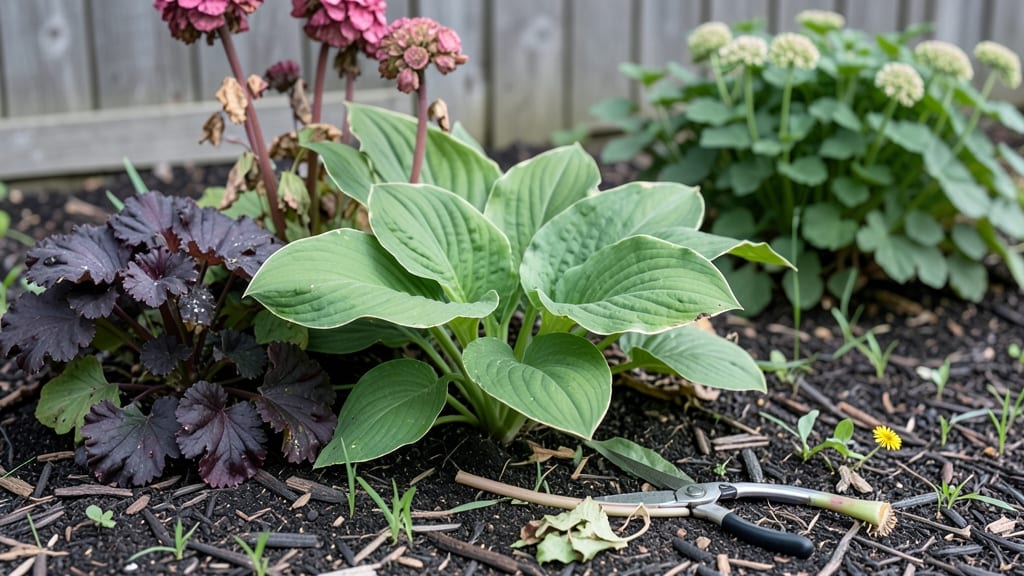
Fall cleanup isn’t just about clearing clutter—it’s the foundation for a stronger spring garden. 🌿 I’ve learned that skipping this step means fighting weeds, pests, and poor soil quality all season long. The right approach takes just a few hours but saves you months of frustration later.
Start by removing dead plants and diseased foliage—don’t compost them, or you’ll spread problems. Next, rake up leaves (they smother lawns and gardens) and prune perennials back by one-third to prevent winter dieback. A sharp pair of pruners and a sturdy rake are your best tools for the job.
Mulch beds with 3-4 inches of organic matter to insulate roots and retain moisture. This simple step keeps soil fertile and weed-free through winter. By the time spring rolls around, your garden will be ready to burst with new growth instead of struggling to recover.
Pro tip: Mark next year’s planting spots with stakes or flags now—you’ll thank yourself in spring when you’re not guessing where to dig. A little prep now means less work later, and that’s the real secret to year-round success.
📚 In This Guide
- What you need
- Instructions
- Tips and common mistakes
- Wrapping up and next steps
What you need
- ● Heavy-duty work gloves (1–2 pairs) – Look for gardening or mechanic gloves with reinforced palms for grip and protection.
- ● Pruning shears (1) – Choose bypass pruners (for clean cuts) or anvil pruners (for thicker branches). Sharp blades are a must!
- ● Loppers (1 pair) – Opt for long-handled loppers (20–24 inches) for reaching higher branches.
- ● Hedge shears (1) – Ideal for trimming shrubs, perennials, or boxwood. A bypass or ratchet-action design works best.
- ○ Rake (1) – A bow rake (for leaves) or leaf blower (optional but handy) will save your back.
- ● Garden fork (1) – Helps loosen soil and remove perennial roots or stubborn debris.
- ● Wheelbarrow or sturdy trash bags – A 5-gallon capacity wheelbarrow or heavy-duty contractor bags (30–50 gallon) for hauling debris.
- ● Shovel (1) – A round-point shovel for digging and moving soil or mulch.
- ○ Leaf blower or vacuum (optional) – Speeds up cleanup, especially for large yards or fine debris.
- ● Safety gear – Safety goggles, ear protection (if using a leaf blower), and closed-toe shoes.
- ● Mulch (1–2 bags) – Shredded bark or compost (2–3 inches deep) to protect plant roots over winter.
- ● Compost bin or pile – For recycling yard waste like leaves and small branches.
- ● String trimmer/weed whacker – For tough grass or weeds in hard-to-reach areas.
- ● Garden hose with nozzle – Helps rinse tools and remove dirt or sap after cleanup.
- ● Knee pads or stool – Because comfort matters when you’re on your hands and knees!
Step-by-Step guide to garden fall cleanup
Here's how to refresh your garden for next year's success—no missed steps, no overwhelm.
🪴 Step 1: Remove and Compost Plant Debris
Start by clearing all annual plants and spent foliage. I pull weeds at the root to prevent reseeding, then gather everything into a pile. The exception? Leave perennials and ornamental grasses—they provide winter interest and protect soil.
Use the garden rake to gather leaves and debris into a central area. If you have diseased plants, bag them separately for trash pickup. Healthy plant matter goes into the compost bin—this is where nutrients return to your soil for next spring.
✂️ Step 2: Prune Perennials and Shrubs
Cut back perennials to 2-3 inches above ground level using the pruning shears. This encourages fresh growth in spring and prevents pests from overwintering in dead stems. For shrubs, remove any dead, diseased, or crossing branches first—this improves airflow.
I always prune after the first frost when plants are dormant. Avoid heavy pruning of spring-flowering shrubs like lilacs until after they bloom. For evergreens, just tidy up any brown or damaged branches—no need for drastic cuts.
🌱 Step 3: Aerate and Fertilize Lawn Areas
Rent a core aerator to pull small soil plugs from your lawn—this relieves compaction and lets nutrients reach grass roots. I do this after a light rain when the soil is moist but not soggy. Follow up by spreading the fall fertilizer evenly over the entire area.
Use the spreader set to the recommended setting for your fertilizer type. Water lightly afterward to help the granules settle into the soil. This timing gives grass roots a strong finish for winter and an early start in spring.
☀️ Step 4: Protect Soil and Mulch Beds
Spread a 3-4 inch layer of mulch over garden beds using the garden rake to distribute evenly. This insulates plant roots, retains moisture, and suppresses weeds. I pull back mulch from tree trunks to prevent rot and pests.
For empty beds, cover with cardboard or straw mulch to smother weeds and protect soil from erosion. This also creates a clean slate for spring planting—no weeding required when you're ready to start fresh.
💧 Step 5: Clean and Store Garden Tools
Wash all tools with soapy water to remove sap and dirt, then dry thoroughly. I use the garden hose for quick rinsing and a rag to wipe down wooden handles. Store tools in a dry place with the tool organizer to keep them protected and accessible.
Sharpen blades on pruners and shears now while you have time—dull tools make cleanup harder next year. A few minutes of maintenance now saves frustration later. This is also the perfect time to check for rust and treat metal parts with oil if needed.
Tips & tricks for perfect garden fall cleanup
Here's what I've learned after years of fall garden prep—these tricks make all the difference between a messy winter and a productive spring.
Timing Secret: Wait for the first hard frost before pruning perennials and shrubs in Step 2. This ensures plants are fully dormant, reducing stress and preventing new growth that could be damaged by late-season freezes. I check my local frost dates online and mark my calendar—pruning too early can stimulate unwanted spring growth.
Compost Strategy: In Step 1, when gathering plant debris, avoid putting diseased leaves or plants in your compost bin. Instead, bag these separately for trash pickup to prevent spreading pathogens. For healthy material, chop larger pieces with pruning shears before adding to the compost pile—this speeds up decomposition and creates nutrient-rich soil for next spring.
Equipment Upgrade: Renting a core aerator for Step 3 is worth the investment, but if you're on a budget, use a garden fork to manually aerate your lawn. Push the fork into the soil at 3-4 inch intervals, then wiggle it back and forth to create small holes. This mimics the aeration process and works well for small lawn areas. Just be prepared for a little more elbow grease!
Mulch Technique: When applying that 3-4 inch layer of mulch in Step 4, don't pile it directly against tree trunks. Create a 2-3 inch gap around the base to prevent moisture buildup that can cause rot. I use a garden rake to create this space before spreading the mulch evenly across the bed. This small detail makes a big difference in tree health over time.
Pro Tips for Garden Fall Cleanup
- Here's what I've learned after years of fall garden prep—these tricks make all the difference between a messy winter and a productive spring.
- Timing Secret: Wait for the first hard frost before pruning perennials and shrubs in Step 2.
- Compost Strategy: In Step 1, when gathering plant debris, avoid putting diseased leaves or plants in your compost bin.
Frequently asked questions
Got questions about garden fall cleanup?
You’re not alone! Here are answers to common concerns to help you tackle your yard with confidence.
When is the best time to start fall garden cleanup?
Start as soon as leaves begin falling—typically late September to early November, depending on your climate. Early cleanup prevents pests, disease, and weeds from taking over. Aim to finish before the first hard frost to protect plants and soil.
Do I need to rake all the leaves, or can I leave some?
While it’s best to remove most leaves, a thin layer (1–2 inches) can act as natural mulch, protecting soil and feeding worms. However, thick piles invite pests and smother grass. Consider mulching leaves with a lawn mower for a quicker solution!
What should I do with dead plants and branches?
Remove diseased or pest-infested plants immediately to prevent spread. Healthy perennials can stay until spring, but cut back annuals and woody debris. Chop branches into mulch or compost them—just avoid burning, which can harm the environment and your health.
Can I still clean up my garden if frost is coming soon?
Yes! Focus on protecting vulnerable plants (like tender perennials) with mulch or frost cloth. Finish raking leaves and clearing debris before snow arrives. If frost hits, wait to prune until spring to avoid damaging dormant buds.
Is hiring a professional worth it for fall cleanup?
It depends! If you have large yards, time constraints, or chronic back issues, hiring help can save effort. For DIYers, cleanup is manageable with the right tools (like a leaf blower or shredder). Weigh the cost against your comfort and yard size.
Wrapping up and next steps
Fall garden cleanup isn’t just about tidying up—it’s your secret weapon for a stronger, healthier garden next year. 🌱 By clearing debris, protecting soil, and prepping tools, you’re setting the stage for effortless spring blooms and bountiful harvests. Think of it as a gift to your future self!
Ready to tackle it? Start small—even one section at a time—and celebrate every step. Next, mark your calendar for early spring tasks (like pruning fruit trees or testing soil) to keep the momentum going. Your garden will thank you!