
Tools
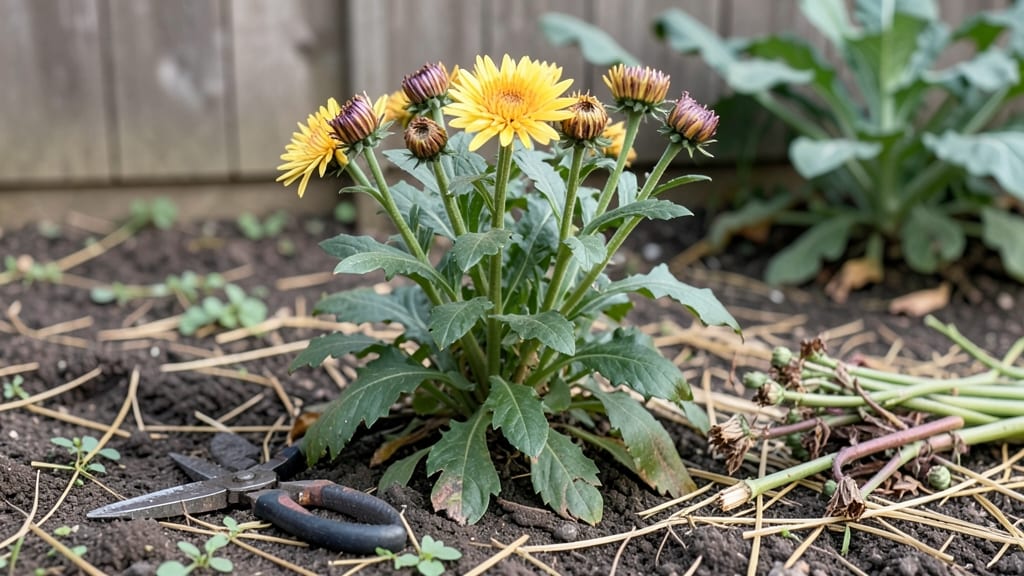
Fall garden prep transforms your yard from summer chaos into a healthy, productive winter wonderland. ✨ I’ve learned the hard way that skipping this season’s tasks means struggling with compacted soil, frost-damaged plants, and missed harvests next spring.
The checklist starts with soil prep—adding compost while it’s still workable—and moves to planting cold-hardy crops like spinach, kale, and garlic. Prune perennials, mulch heavily, and protect tender plants with row covers. These steps take 2-3 weekends but save hours of spring cleanup.
By December, you’ll have a garden that’s thriving under snow rather than fighting to recover. The right prep means fewer weeds, better drainage, and plants that bounce back faster in spring. Let’s get your garden ready before the first frost hits.
Works for any climate—just adjust planting dates and frost protection. Here’s exactly how to tackle each task without the overwhelm.
📚 In This Guide
- What you need
- Instructions
- Tips and common mistakes
- Wrapping up and next steps
What you need
- ● Garden Gloves: 1 pair (water-resistant, breathable, and durable for handling soil and tools).
- ● Hand Trowel: 1 (5-7 inch stainless steel or aluminum for digging and transplanting).
- ● Pruners: 1 pair (bypass pruners for clean cuts on plants and deadheading).
- ● Garden Fork: 1 (heavy-duty, 12-18 inch for aerating soil and breaking up clumps).
- ● Rake: 1 (bendable tine rake for clearing debris and leveling soil).
- ● Hoe: 1 (stainless steel or aluminum for weeding and soil cultivation).
- ● Wheelbarrow or Garden Cart: 1 (for hauling soil, compost, or debris).
- ● Compost: 5-10 gallons (aged, well-balanced compost for enriching soil).
- ● Mulch: 2-3 bags (straw, shredded leaves, or wood chips for moisture retention and insulation).
- ● Seeds or Seedlings: Fall-specific varieties (e.g., kale, spinach, carrots, broccoli, or pansies).
- ● Organic Fertilizer: 1-2 bags (balanced or nitrogen-rich for leafy greens).
- ● Watering Can or Hose with Nozzle: 1 (for gentle watering of seedlings and soil).
- ● Soil pH Test Kit: 1 (to check and adjust soil acidity if needed).
- ● Row Covers or Frost Blankets: 1-2 (for protecting tender plants from early frosts).
- ● Garden Kneeler/Pad: 1 (for comfort during long prep sessions).
- ● Soil Thermometer: 1 (to monitor soil temperature for planting timing).
- ● Drip Irrigation Kit: 1 (for efficient watering of larger garden beds).
- ● Plant Markers: 10-20 (biodegradable labels for tracking seedlings).
- ● Organic Pest Control: Spray bottle or granules (neem oil, diatomaceous earth, or insecticidal soap).
- ● Garden Journal: 1 (to log planting dates, soil amendments, and harvests).
- ● Solar-Powered Lights: 2-4 (for extending garden work into early evenings).
Step-by-step instructions for fall garden prep
Here's how I transform my garden into a thriving winter oasis—ready for cold-hardy crops and spring success.
🌿 Step 1: Assess and Clear the Garden Beds
Start by removing all spent annuals and diseased plants. I pull up every plant that's finished its cycle—whether it's bolting basil or blackened tomatoes—using clean gloves to avoid spreading pathogens. This is where I also check for lingering pests like squash bugs or tomato hornworms hiding in the soil.
Next, rake away all debris and weeds, focusing on the top 6 inches of soil. You'll see roots, old mulch, and maybe even some forgotten seed packets from last spring. This isn't just about tidiness—it's about breaking up the soil's crust so air and water can penetrate properly. I like to finish by running a broadfork through the bed to loosen the soil without turning it over completely.
💧 Step 2: Test and Amend the Soil
Fall is the perfect time to test your soil's pH and nutrient levels. I grab a sample from 3-4 inches deep in several spots across the bed, mix it in a clean bucket, and send it to the local extension office. While I wait for results, I spread a 2-inch layer of compost over the entire bed—this feeds the soil microbes that will break down organic matter over winter.
If your soil is heavy clay, I mix in 1-2 inches of coarse sand or perlite to improve drainage. Sandy soils get a boost from 1 inch of peat moss or coconut coir to retain moisture. The key is to work these amendments into the top 6 inches of soil, but don't overdo it—too much organic matter can create anaerobic pockets where roots suffocate.
☀️ Step 3: Plant Cold-Hardy Crops and Cover Crops
Now's the time to sow broccoli, kale, spinach, and carrots—these thrive in cooler weather. I plant them in late September or early October, giving them 6-8 weeks to establish roots before hard frost. For each bed, I follow the spacing on the seed packet, but I always plant a little deeper than recommended—¼ inch deeper—to protect young seedlings from temperature swings.
Between rows, I scatter cover crops like winter rye or clover to prevent erosion and fix nitrogen in the soil. These green manures will grow through fall and winter, then get tilled under in spring. I water everything in thoroughly after planting, making sure the soil stays moist but not soggy—1 inch of water per week is ideal.
✂️ Step 4: Protect Perennials and Mulch Heavily
Before the first frost, I give perennials like asparagus, rhubarb, and strawberries a 3-inch layer of straw mulch. This insulates roots from freezing temperatures while allowing moisture to penetrate. For tender perennials like lavender or rosemary, I mound soil around the base to create a protective barrier—2-3 inches high is plenty.
I also prune back any dead or damaged stems, but I leave the foliage on perennials like ornamental grasses and sedums. These provide winter interest and shelter for beneficial insects. The only exception is if a plant shows signs of disease—then I remove it entirely to prevent spreading spores.
🪴 Step 5: Plan and Install Winter Protection Structures
For late-season crops like Brussels sprouts or cabbage, I set up low tunnels or cold frames to extend the growing season. These simple structures trap heat and can add 4-6 weeks of growing time. I use hoop houses with row cover fabric or even clear plastic bottles as mini greenhouses for individual plants.
If you're in a region with harsh winters, consider building a straw bale garden bed for early spring planting. I stack bales in a rectangle, top them with soil, and plant directly into the bales. They insulate roots from freezing and warm up faster in spring. The key is to start this process 4-6 weeks before your first frost so the bales have time to settle and decompose slightly.
Tips & tricks for perfect fall garden prep
A few strategic moves can transform your fall garden prep from good to exceptional—let me share what I've learned after years of trial and error in my own garden. These are the details that make the difference between a garden that survives winter and one that thrives.
Timing is Everything: The 6-8 week window before your first frost is critical for planting cold-hardy crops like broccoli and kale. I always check my local frost date calendar and mark planting dates 6 weeks before that date—this gives seedlings enough time to establish strong root systems before temperatures drop. For regions with unpredictable weather, consider using a planting date calculator that accounts for your specific microclimate. The deeper planting technique—¼ inch deeper than recommended—also gives young plants that extra protection from temperature swings.
Soil Science Matters: When amending your top 6 inches of soil, think of it as creating a perfect balance. For clay soils, I mix in 1-2 inches of coarse sand or perlite to improve aeration, but I never exceed the 6-inch depth limit—this prevents creating anaerobic pockets where roots would suffocate. The 2-inch compost layer I mentioned isn't just about nutrients; it's about feeding the beneficial microbes that will break down organic matter over winter. I always work this into the soil rather than leaving it on top, which prevents it from washing away during fall rains.
Mulching Strategy: The 3-inch layer of straw mulch around perennials isn't just about insulation—it's about creating the right moisture balance. Too thin, and roots freeze; too thick, and you create conditions for rot. I always use straw rather than leaves because it breaks down more slowly and doesn't mat down like leaves can. For tender perennials, that 2-3 inch soil mound around the base creates a natural protective barrier that's far more effective than commercial root protectors I've tried in the past.
Winter Protection Hacks: When setting up those low tunnels or cold frames, I've found that using hoop houses with row cover fabric gives the most consistent results. The fabric allows light and water to penetrate while trapping heat—it's like creating a mini greenhouse effect. For individual plants, those clear plastic bottle greenhouses work surprisingly well. I cut the bottles in half, remove the cap, and place them over seedlings. The condensation that forms inside provides additional moisture during dry fall periods. Remember, the 4-6 week extension these structures provide can mean the difference between harvesting and losing your crop.
Pro Tips for Fall Garden Prep
- A few strategic moves can transform your fall garden prep from good to exceptional—let me share what I've learned after years of trial and error in my own garden.
- Timing is Everything: The 6-8 week window before your first frost is critical for planting cold-hardy crops like broccoli and kale.
- Soil Science Matters: When amending your top 6 inches of soil, think of it as creating a perfect balance.
Frequently asked questions
When is the best time to start fall garden prep?
Start preparing your garden for fall 8–12 weeks before your first expected frost. This gives cool-season crops like kale, spinach, and carrots enough time to thrive before winter sets in. Check your USDA hardiness zone for exact timing—most regions begin prep in late summer (August–September).
Can I reuse soil from my spring/summer garden?
Yes, but with a refresh! Test your soil’s pH and nutrients, then amend it with compost or aged manure to replenish organic matter. Avoid overworking wet soil—wait for dry spells to till or aerate. For heavy clay or sandy soil, mix in 2–3 inches of compost to improve structure.
What are the easiest fall crops for beginners?
Start with low-maintenance, fast-growing crops like:
- Leafy greens (spinach, lettuce, arugula) – Harvest in 30–50 days.
- Root veggies (radishes, carrots, beets) – Thrives in cool weather.
- Alliums (green onions, garlic) – Hardy and pest-resistant.
- Herbs (parsley, cilantro, dill) – Survive light frosts.
How do I protect my fall garden from early frosts?
Use these low-cost tricks to extend your season:
- Cover crops with frost cloth or row covers (removable during the day).
- Plant frost-tolerant varieties (e.g., ‘Winterbor’ kale, ‘Ruby Streak’ radishes).
- Mulch with straw or leaves (2–3 inches) to insulate roots.
- Avoid overwatering—wet soil freezes faster.
What should I do with my garden after the first hard freeze?
Don’t rush to clean up! Leave plant debris (like dead leaves or stems) as mulch to protect soil and overwintering pests. Remove only diseased plants. In early spring, till or compost remaining organic matter, then test soil health before replanting.
Wrapping up and next steps
Prepping your garden for fall is all about planning ahead and embracing the season’s bounty—whether you’re sowing cool-weather crops, extending your harvest, or tidying up for winter.
With the right tools, timing, and techniques, you’ll set the stage for a thriving garden that keeps giving long after summer fades. 🌱
Now that you’re armed with your checklist, take the next step: grab your gloves, mark those planting dates, and dive in! Start small if you’re new—even a single raised bed or container garden can yield delicious rewards.
Before you know it, you’ll be feasting on homegrown goodness while your neighbors are still dreaming of spring.
Happy gardening—your future self (and taste buds) will thank you! 🍂✨