
Fertilization
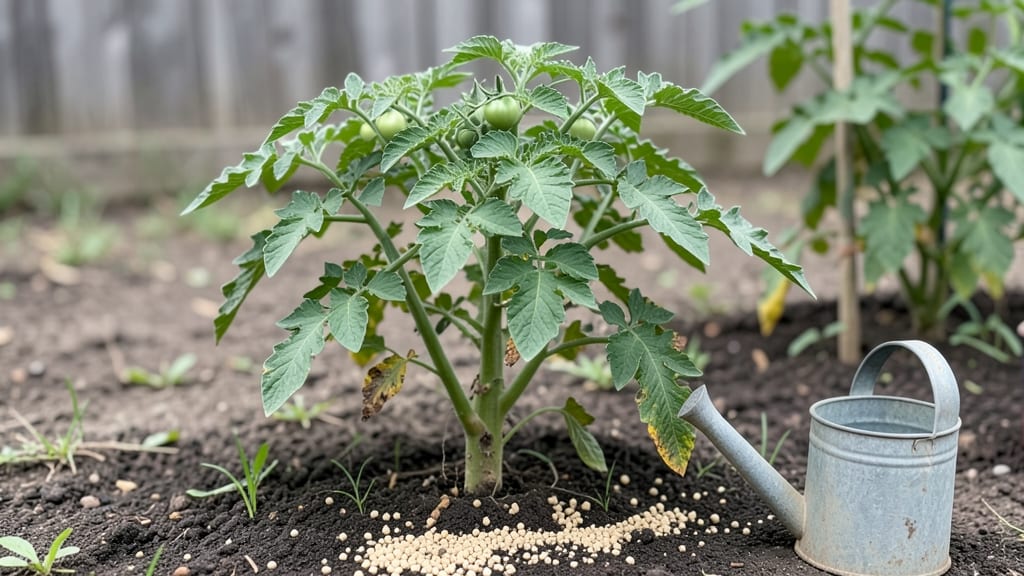
Fertilizing garden plants isn't just about dumping bags of magic powder—it's about feeding your soil the way a good chef preps ingredients. 🌱 I learned the hard way that too much nitrogen makes plants grow fast but weak, while balanced nutrients lead to stronger roots, bigger blooms, and heavier harvests.
The science behind NPK ratios (nitrogen, phosphorus, potassium) changed everything for me, especially when I started tailoring fertilizers to each plant's needs.
You don’t need a PhD to get this right—just a few key tools. A basic soil test kit (around $20) reveals what your soil’s missing, while organic options like compost or worm castings build long-term health.
For quick fixes, granular fertilizers work for veggies, while slow-release pellets suit flowers and shrubs. Timing matters too: feed leafy greens early in the season, fruiting plants mid-season, and always water before applying to avoid burning roots.
Picture this: your tomatoes bursting with flavor, your roses blooming like crazy, and your lawn so green neighbors ask for your secret. That’s what happens when you match fertilizer to plant needs—no guesswork, just science-backed growth.
The payoff isn’t just pretty; it’s in the harvest, the resilience of your plants, and the pride of knowing you’re doing it right.
This works for everything from container herbs to backyard fruit trees. Whether you’re a first-timer or a seasoned gardener tweaking your routine, the key is patience and observation. Too much fertilizer? Yellow leaves. Not enough? Stunted growth. Your plants will tell you what they need—you just have to listen.
📚 In This Guide
- What you need
- Instructions
- Tips and common mistakes
- Wrapping up and next steps
What you need
- ● Fertilizer: Granular fertilizer (e.g., 10-10-10 or 5-10-10 NPK ratio) – 1–2 lbs per 100 sq ft
- ● Slow-release organic fertilizer (e.g., composted manure, bone meal, or worm castings) – 2–3 lbs per 100 sq ft
- ● Liquid fertilizer (e.g., fish emulsion or seaweed extract) – 1–2 tbsp per gallon of water
- ○ Soil Amendments (Optional but Helpful): Compost – 1–2 inches mixed into topsoil
- ● Peat moss or coconut coir – 1 part per 3 parts soil (for moisture retention)
- ● Lime (if soil is acidic) – 5–10 lbs per 100 sq ft (test pH first!)
- ● Garden gloves – 1 pair (to protect your hands from chemicals and dirt)
- ● Hand trowel or garden fork – 1 (for mixing fertilizer into soil)
- ● Watering can or hose with spray nozzle – 1 (for liquid fertilizers)
- ● Measuring scoop or scale – 1 (for precise fertilizer application)
- ○ pH testing kit – 1 (optional but highly recommended for soil health)
- ○ Broadcast spreader (for granular fertilizer) – 1 (optional for large gardens)
- ● Know your plants’ needs – Check seed packets or plant tags for specific fertilizer types (e.g., nitrogen-heavy for leafy greens, phosphorus-rich for blooms).
- ● Test your soil – Ideal pH: 6.0–7.0 (most plants thrive here). Adjust with amendments if needed.
- ● Water your garden 1–2 days before fertilizing to avoid burning roots.
- ● Choose the right time – Avoid fertilizing in extreme heat or drought (wait for mild weather).
How to fertilize garden plants for maximum growth
Here’s the straightforward approach I use to keep plants thriving without overcomplicating things.
🌿 Step 1: Test Your Soil First
Before adding any fertilizer, grab a soil test kit to check pH and nutrient levels. Most garden centers sell basic kits for under $20. I test every spring because soil changes over time—especially if you’ve amended it before. Aim for a pH between 6.0 and 7.0 for most vegetables and flowers; acid-loving plants like blueberries need 4.5-5.5.
If your soil is already rich in nutrients, you might not need fertilizer at all. I’ve seen gardens where last year’s compost left enough nitrogen that new plants grew like weeds. Wait for the test results before buying anything—it saves money and prevents over-fertilizing, which burns roots.
🌱 Step 2: Choose the Right Fertilizer Type
Match your fertilizer to your plants’ needs. For leafy greens like lettuce or spinach, use a balanced 10-10-10 fertilizer to encourage foliage. Fruiting plants (tomatoes, peppers, cucumbers) need more phosphorus—look for a 5-10-10 formula. Slow-release granules work best for long seasons, while liquid fertilizers give quick fixes for struggling plants.
I avoid synthetic fertilizers when possible because they can disrupt soil microbes. Instead, I use compost tea for a gentle boost or fish emulsion for nitrogen. Organic options break down slowly, feeding plants over time without risk of salt buildup. Always follow package instructions for application rates—more isn’t better, especially with concentrated liquids.
💧 Step 3: Apply Fertilizer at the Right Time
Timing matters more than you’d think. For spring planting, fertilize right after transplanting or sowing seeds. For established plants, apply fertilizer when you see new growth starting—usually in early spring or after harvest. Never fertilize stressed plants; they can’t absorb nutrients efficiently, and you’ll waste the product.
Spread granules evenly over the soil surface, then water deeply to activate them. For liquids, dilute first and apply to moist soil to prevent root burn. I like to fertilize in the early morning so plants have time to absorb nutrients before evening heat. Avoid fertilizing within 2 weeks of harvest—you don’t want chemical residues on your food.
☀️ Step 4: Monitor and Adjust
Watch your plants for signs of nutrient deficiency. Yellowing leaves? That’s often nitrogen. Purple stems? Phosphorus is lacking. Weak stems or slow growth? Potassium might be the issue. Adjust your fertilizer blend based on what you see—sometimes a simple soil amendment like wood ash (for potassium) or coffee grounds (for nitrogen) works better than chemicals.
I also keep a garden journal to track what worked and what didn’t. For example, my tomatoes always respond well to a side-dressing of compost mid-season, but my peppers need a low-phosphorus boost after flowering. Pay attention to these cues, and you’ll fine-tune your approach year after year.
⏰ Step 5: Stop Fertilizing Before Dormancy
When temperatures drop and plants slow down, cut back on fertilizing. Over-fertilizing in fall can lead to late-season growth, which is vulnerable to frost damage. Instead, focus on mulching to protect roots and improve soil health naturally. I stop fertilizing entirely by mid-October in my zone and let the soil rest until spring.
This isn’t just about stopping—it’s about preparing. A well-fed plant going into dormancy will bounce back stronger in spring. I also top-dress with a thin layer of compost in late fall to feed the soil microbes, which will break down organic matter over winter and release nutrients when the growing season returns.
Tips & tricks for perfect plant fertilizing
Took me years to figure out these gardening secrets—here’s how to avoid common mistakes and get the most out of your fertilizer.
The Soil Test Secret: Don’t skip the pH test in Step 1! I’ve seen gardens where plants struggled because the soil was too acidic or alkaline. For most veggies, aim for that 6.0-7.0 range—it’s where nutrients become most available. If your blueberries need 4.5-5.5, use elemental sulfur to lower pH gradually over months, not all at once.
Fertilizer Formula Logic: That 10-10-10 for leafy greens isn’t random—it’s equal parts nitrogen, phosphorus, and potassium. For fruiting plants, the 5-10-10 formula prioritizes phosphorus (the middle number) to boost flowering and fruiting. I always double-check the numbers on the package before buying; some "balanced" fertilizers are actually 8-8-8—not quite the same!
Timing is Everything: In Step 3, that early morning application isn’t just about avoiding heat—it’s when plants are most active. I’ve noticed my tomatoes absorb nutrients twice as efficiently when fertilized before 9 AM. And that 2-week rule before harvest? It’s not just about safety—it gives plants time to metabolize any remaining nutrients before you pick.
Organic Overload Warning: Here’s what nobody tells you—organic fertilizers like compost tea and fish emulsion break down slowly, but they can still burn roots if overapplied. In Step 2, I always dilute liquid organics to half-strength unless the package specifically says otherwise. Think of it like coffee: too much concentrate ruins the flavor, and too much fertilizer ruins your plants.
Pro Tips for Fertilizing Garden Plants
- Took me years to figure out these gardening secrets—here’s how to avoid common mistakes and get the most out of your fertilizer.
- The Soil Test Secret: Don’t skip the pH test in Step 1!
- Fertilizer Formula Logic: That 10-10-10 for leafy greens isn’t random—it’s equal parts nitrogen, phosphorus, and potassium.
Frequently asked questions
Got questions about fertilizing your garden plants? You’re not alone! Here are some of the most common queries—answered simply and effectively to help you grow like a pro.
When’s the best time to fertilize?
Timing matters! For most plants, spring and early summer are ideal—when growth is active. For perennials, divide fertilizing into two stages: early spring (to kickstart growth) and mid-summer (for a late-season boost). Always check your plant’s specific needs—some, like tomatoes, love a mid-season feed too!
How often should I fertilize my garden?
The rule of thumb is every 4–6 weeks during the growing season (spring to fall). Overdoing it can burn roots, so test your soil first—low-nitrogen soil? Go lighter. High-nitrogen? Space it out. Slow-release fertilizers (like organic options) stretch your efforts further by feeding gradually.
Can I fertilize new plants right after planting?
Not yet! Wait 4–6 weeks after transplanting before fertilizing. This gives roots time to establish. If you’re impatient, use a light side-dressing of compost instead—it’s gentle and packed with nutrients. Over-fertilizing new plants can stress them out, so patience pays off!
What if my plants look yellow or weak after fertilizing?
Yellowing leaves or wilting? Too much fertilizer (especially nitrogen) is often the culprit. Flush the soil with water to dilute excess salts, then switch to a balanced fertilizer or organic option like fish emulsion. Avoid fertilizing for a week while plants recover—sometimes, less is more!
Are there natural alternatives to synthetic fertilizers?
Try these budget-friendly, eco-friendly swaps:
- Compost (): Rich in microbes and nutrients, perfect for slow-release goodness.
- Manure tea (): Diluted manure (cow, horse, or chicken) packed with nitrogen.
- Eggshells (): Crush and bury for calcium—great for tomatoes and peppers.
- Banana peels (): Toss in soil for potassium; just chop them up first!
Wrapping up and next steps
Fertilizing your garden isn’t just guesswork—it’s a science-backed way to unlock healthier plants, bigger blooms, and bountiful harvests! 🌱 From choosing the right nutrients to timing applications, these strategies ensure your hard work pays off in vibrant growth.
Start small, observe your plants, and adjust as you go—your garden will thank you.
Ready to take the next step? Test a patch of soil this season, experiment with organic or synthetic fertilizers, and keep a gardening journal to track progress. Happy growing—your future harvests are waiting! 🌿