
Companion Plants
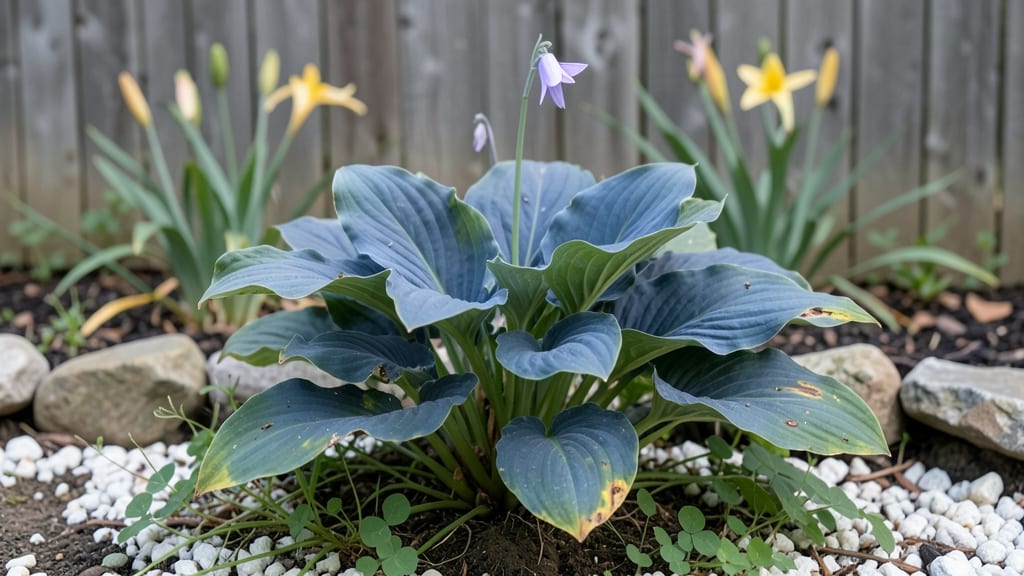
Your front garden plants should steal the show without stealing your weekends. ✨ I’ve designed front gardens that look effortlessly lush while demanding almost no pruning—just strategic plant pairings and seasonal swaps. The key is mixing evergreens for structure, perennials for color, and a few low-maintenance annuals to fill gaps.
Start with a 3-foot-tall evergreen shrub like boxwood or dwarf holly as your anchor—it stays green year-round and needs trimming only once a year. Add clumping perennials like coneflowers or black-eyed Susans for summer blooms that self-clean, and tuck in spring bulbs like daffodils or tulips for early color.
Annuals like petunias or impatiens fill empty spots without requiring deadheading.
By late fall, your garden won’t skip a beat: ornamental grasses sway in the breeze, winter pansies bloom in cool weather, and berry-producing shrubs like holly or winterberry add texture. The result? A front yard that’s always photogenic, with less than 30 minutes of maintenance per month.
This works in zones 5–8, from sunny city lots to partially shaded suburban yards. The same principles apply whether you’re starting fresh or refreshing an existing bed. Let’s make your curb the envy of the block—without the upkeep.
📚 In This Guide
- What you need
- Instructions
- Tips and common mistakes
- Wrapping up and next steps
What you need
- ● Plants (Low-Maintenance Varieties): Perennials (e.g., Hosta, Heuchera, Sedum): 3–5 plants per section
- ● Shrubs (e.g., Boxwood, Hydrangea, Dwarf Lilac): 2–4 plants
- ● Ornamental grasses (e.g., Miscanthus, Fountain Grass): 1–2 clumps
- ● Bulbs (e.g., Daffodils, Tulips, Allium): 10–20 bulbs per square foot
- ● Soil & Amendments: Topsoil (2–3 cubic yards for a 10’x10’ area)
- ● Compost or organic matter (1–2 bags per 10 sq ft)
- ● Slow-release fertilizer (e.g., Osmocote or Espoma)
- ● Tools: Garden trowel (for precision planting)
- ● Shovel or spade (for digging)
- ● Pruners (bypass pruners for clean cuts)
- ● Garden gloves (heavy-duty for protection)
- ● Wheelbarrow (for hauling soil/amendments)
- ● Measuring tape (to plan spacing)
- ● Watering can or hose with adjustable nozzle
- ○ Optional (But Helpful!): Mulch (shredded bark or pine straw, 2–3 inches)
- ● Garden stakes or labels (for tracking plant varieties)
- ● Edging tools (for clean borders)
- ● Drip irrigation kit (for automated watering)
- ● Decorative stones or gravel (for pathways or accents)
Step-by-Step guide to designing a low-maintenance front garden
Here’s how to create a vibrant front yard that thrives year-round with minimal fuss.
🌿 Step 1: Select Foundation Perennials for Structure
Start with four hardy perennials that provide seasonal color and minimal pruning needs. For example, coneflowers (Echinacea) deliver summer-to-fall blooms in pink or purple, while heuchera adds year-round foliage interest in shades of burgundy, lime, or silver. Plant these 12-18 inches apart to allow airflow and reduce disease risk.
Dig holes twice as wide as the root ball but only as deep—place the plant so the top of the root ball sits level with the soil surface. Backfill with native soil and water deeply to eliminate air pockets. This ensures roots establish quickly, which is critical for drought tolerance.
☀️ Step 2: Layer in Shrubs for Height and Texture
Add two dwarf shrubs like boxwood or dwarf lilac for year-round structure. These stay compact (3-4 feet tall) and require pruning only once a year—cut back leggy growth in early spring before new leaves emerge. Space them 3-4 feet apart to balance the perennials below.
Plant shrubs in the same depth as their container, then water thoroughly. Mulch around the base with 2-3 inches of shredded bark to retain moisture and suppress weeds. Avoid piling mulch against the stem—keep it 2 inches away to prevent rot.
🌱 Step 3: Add Annuals for Seasonal Pops of Color
Fill gaps with two annuals like pansies (cool season) or petunias (warm season) for instant color. These need monthly deadheading to encourage blooms but no major pruning. Plant them 6-8 inches apart in well-draining soil, as they wilt quickly in soggy conditions.
Water newly planted annuals every other day for the first week to help roots establish. Once settled, reduce to twice weekly in dry spells. Watch for yellowing leaves—this signals overwatering, so adjust your schedule if soil stays damp for more than 48 hours.
✂️ Step 4: Mulch and Water for Long-Term Success
Spread 3 gallons of mulch evenly across the bed, keeping it 2 inches away from plant stems. This conserves water, regulates soil temperature, and deters weeds. Replenish mulch annually in early spring to maintain coverage.
Water deeply once a week (1-2 inches of water) rather than frequent shallow watering. Check moisture by digging 2 inches into the soil—it should feel slightly damp, not soggy. Overwatering is the #1 killer of low-maintenance gardens, so adjust based on rainfall.
🪴 Step 5: Seasonal Maintenance Checkpoints
In early spring, remove dead foliage from perennials but leave seed heads on coneflowers for winter interest. In fall, cut back tall grasses (like ornamental wheat) to 4-6 inches to prevent flopping. Skip fertilizing—most of these plants thrive in average garden soil with minimal intervention.
Watch for aphids on new growth—spray with neem oil if you see sticky residue on leaves. Otherwise, your garden will stay lush and low-effort with just these simple steps. The key is strategic plant selection and consistent (but not excessive) care.
Tips & tricks for perfect year-round front garden design
Creating a low-maintenance garden that thrives all season requires strategic planning—and these tips will help you avoid common pitfalls while maximizing beauty with minimal effort.
Plant Placement Strategy: In Step 1, when selecting your four foundation perennials, consider the mature height and spread of each plant. Place taller varieties like coneflowers toward the back of your bed and shorter ones like heuchera toward the front. This creates natural layers that prevent overcrowding as plants mature—something I learned after watching my first garden become a tangled mess by summer's end. The 12-18 inch spacing isn't arbitrary; it accounts for airflow between plants, which dramatically reduces fungal diseases like powdery mildew.
Root Ball Technique: The instructions emphasize planting with the root ball level with the soil surface, but here's what nobody tells you: gently tease the edges of the root ball before placing it in the hole. This encourages roots to grow outward rather than circling the plant (a common issue called "pot-bound roots"). For container-grown shrubs in Step 2, run your finger around the inside of the container to loosen roots before removing them—this simple step can double your plant's establishment success rate.
Mulching Mastery: The 2-3 inches of mulch mentioned in Step 4 serves multiple purposes beyond weed suppression. Apply it after watering to help retain moisture, but create a small "moat" around each plant stem to prevent rot. Pro tip: Use a mulch with larger chunks (like shredded bark) rather than fine particles, as it breaks down more slowly and requires less frequent replenishment. I've found that adding a thin layer of compost on top of the mulch in early spring provides a nutrient boost without disturbing the roots.
Watering Wisdom: The instructions recommend deep watering once weekly, but timing matters just as much as quantity. Water in the early morning (between 6-10am) to allow foliage to dry before evening, which prevents fungal issues. For the first week after planting annuals, I set a reminder on my phone to check soil moisture—those every-other-day waterings are critical for root establishment, but many people overlook them once the plants look settled. The 48-hour damp soil test is your best indicator of proper drainage; if water pools beyond this time, you're likely overwatering.
Pro Tips for Front Garden Plants
- Creating a low-maintenance garden that thrives all season requires strategic planning—and these tips will help you avoid common pitfalls while maximizing beauty with minimal effort.
- Plant Placement Strategy: In Step 1, when selecting your four foundation perennials, consider the mature height and spread of each plant.
- Root Ball Technique: The instructions emphasize planting with the root ball level with the soil surface, but here's what nobody tells you: gently tease the edges of the root ball before placing it in the hole.
Frequently asked questions
Got questions about keeping your front garden vibrant with low-maintenance plants? Here are some of the most common queries—and their answers—to help you create a stunning, stress-free outdoor space.
What are the easiest front garden plants that thrive with little pruning?
Look for evergreens like boxwood, perennials such as lavender, and ornamental grasses like fountain grass. These plants naturally resist overgrowth and require minimal trimming. Pro tip: Choose native species—they’re hardy and often pest-resistant!
When is the best time to plant front garden flowers for year-round color?
For spring blooms, plant bulbs like tulips in fall (October-November). For summer/winter interest, add perennials like coneflowers or hellebores in early spring or fall. Avoid planting in extreme heat or frost. Timing tip: Check your USDA zone for precise planting windows!
Can I mix shrubs and flowers in my front garden without overcrowding?
Pair tall shrubs (e.g., hydrangeas) with low-growing perennials (e.g., creeping thyme) to create layers. Space shrubs 3–5 feet apart and flowers 12–18 inches apart. Design hack: Use mulch to suppress weeds and retain moisture between plants.
How do I keep pests away from my front garden plants naturally?
Encourage beneficial insects like ladybugs with neem oil or companion planting (e.g., marigolds repel aphids). For slugs, set up beer traps or use copper barriers. Prevention pro: Water plants in the morning to deter slugs and fungal issues.
Are there drought-tolerant front garden plants that still look lush?
Yes! Opt for succulents (like sedum), drought-resistant perennials (e.g., Russian sage), or native grasses (e.g., blue fescue). These thrive with 1–2 inches of water per week once established. Water-wise tip: Group plants with similar needs together to conserve water!
Wrapping up and next steps
Transforming your front garden into a vibrant, low-maintenance oasis is easier than you think! With the right front garden plants, you can enjoy year-round color and beauty without the hassle of frequent pruning.
Whether you prefer bold perennials, fragrant shrubs, or cheerful annuals, these plants offer effortless elegance and resilience.
Ready to take the next step? Start small—pick one or two plants from this guide, experiment with placement, and watch your garden thrive! 🌸 For even more inspiration, sketch a simple layout or browse local nurseries for hardy varieties that suit your climate. Happy gardening!