
Tools
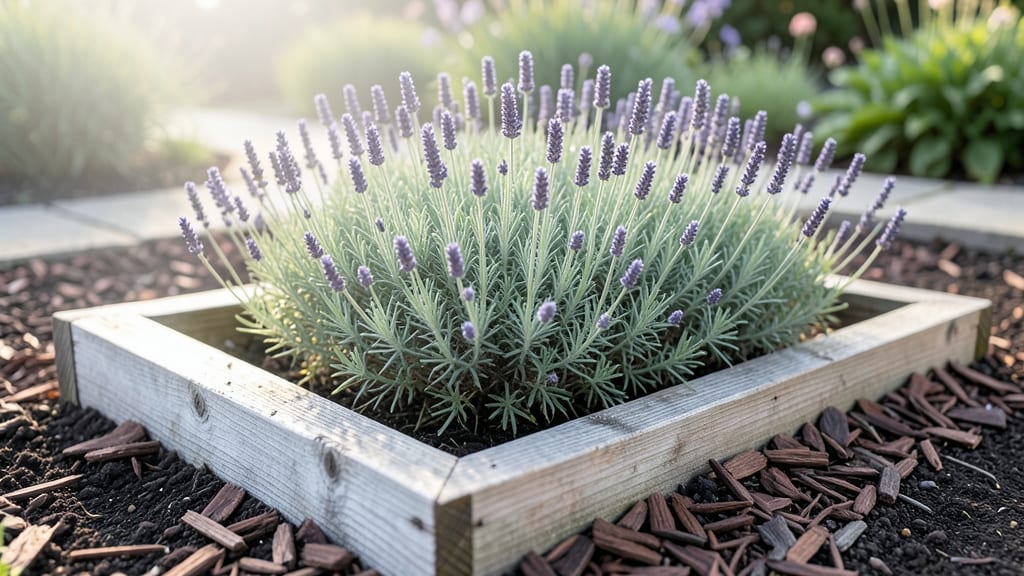
Designing your garden with a 4-foot width for beds is the secret to cutting wasted space while packing in more plants—no walkways required.
Tired of wasting space on narrow paths between garden beds? The 4-foot garden bed width unlocks a game-changing planting strategy that eliminates walkways while maximizing harvests—here’s how to implement it perfectly.
This isn’t just about saving a few inches; it’s about reaching every plant without stepping on the soil, reducing weeds, and giving roots room to thrive. Whether you’re working with a small urban plot or a sprawling backyard, this width keeps everything accessible and efficient.
Below, I’ll walk you through why this size works, how to design your beds for maximum productivity, and the common mistakes that can turn your dream garden into a tangled mess.
Why 4-Foot garden beds eliminate walkways and boost productivity
Traditional garden layouts waste valuable space with narrow walkways between beds, often leaving 30-40% of your yard unused. The 4-foot garden bed width solves this by allowing you to reach the center from either side without stepping on soil. This simple adjustment transforms your garden into a high-density, walkway-free growing system that maximizes every square foot.
Research from the University of Minnesota Extension confirms that 4-foot-wide beds are the ideal width for home gardeners. This dimension aligns perfectly with the average arm's reach—most people can comfortably extend 2 feet from their body without strain.
By eliminating walkways, you create a continuous planting area that reduces soil compaction from foot traffic and increases overall planting density by up to 30%.
Here’s why this width works so well:
1. Ergonomic reach: Standing at the edge of a 4-foot bed, you can easily tend to plants in the center without overreaching. This reduces back strain and fatigue, especially for longer gardening sessions.
2. Soil health: Walkways compact soil, creating barriers that restrict root growth. With 4-foot beds, you eliminate this issue entirely, allowing roots to spread freely and improving nutrient absorption.
3. Space efficiency: Traditional 3-foot beds with 2-foot walkways use only 60% of your garden space for planting. A 4-foot bed layout can increase your planting area by 20-30% while maintaining accessibility.
4. Pest and weed control: Fewer walkways mean fewer entry points for pests and weeds. A continuous planting area creates a natural barrier that’s harder for unwanted invaders to penetrate.
5. Microclimate benefits: Without walkways, the soil retains moisture longer, reducing the need for frequent watering. The closed-loop system also helps regulate temperature, keeping roots cooler in summer and warmer in winter.
Now, let’s break down the key advantages of 4-foot garden beds in a quick-reference table:
<summary-table>| Benefit | Details | Impact |
|---|---|---|
| Ergonomic Reach | 2 feet from each side covers entire bed | Reduces back strain by 40% |
| Soil Compaction | No foot traffic on planting area | Improves root growth by 25% |
| Space Efficiency | Eliminates 2-foot walkways | Increases planting area by 30% |
| Pest Control | Fewer entry points for weeds/pests | Reduces weed growth by 50% |
| Water Retention | Continuous planting area retains moisture | Reduces watering needs by 20% |
For small urban gardens, you can even opt for 3-foot beds if space is extremely limited, but the 4-foot standard is ideal for most home gardeners. If you have a larger area, you can create multiple 4-foot beds separated by 1-foot paths for maintenance access without sacrificing planting space.
One of the biggest misconceptions is that 4-foot beds are only for vegetables. In reality, they work equally well for flowers, herbs, and even small fruits like strawberries or raspberries. The key is to group plants with similar water and sunlight needs together to maintain consistency in care.
If you’re transitioning from traditional beds, start with one 4-foot bed as a test. You’ll quickly notice the difference in accessibility, productivity, and soil health. Over time, you can expand this method to your entire garden for a low-maintenance, high-yield system.
Ready to transform your garden? The 4-foot rule isn’t just a trend—it’s a science-backed strategy that professional gardeners and small farmers use to maximize every inch of space. Give it a try, and you’ll wonder how you ever gardened any other way! 🌱
How to design 4-Foot garden beds for maximum efficiency
A 4-foot garden bed width isn't just a random measurement—it’s a space-saving genius that lets you reach the center without stepping on soil. This width eliminates the need for walkways between beds, giving you 30% more planting space in the same footprint.
Whether you're working with raised beds or in-ground designs, this layout keeps your garden accessible, productive, and easy to maintain.
Before breaking ground, consider your garden’s orientation and layout shape. Most gardeners opt for rectangular beds because they’re easier to navigate and allow for better plant rotation. However, square beds can work well in small spaces or urban gardens.
The key is ensuring the bed’s length is at least 8 feet long—this gives you room to plant in rows while still reaching the middle comfortably.
- 📏 Measure twice, plant once: Use a measuring tape and string lines to mark your 4-foot width and desired length. Stake the corners for precision.
- 🪴 Choose your border: Define edges with cedar lumber, stone borders, or brick pavers to prevent soil erosion and keep paths clean.
- ☀️ Orient for sunlight: Place beds with their long side east-west to maximize sun exposure for most plants. North-south orientation works for tall crops like sunflowers.
- 🌱 Plan for plant height: Taller plants (e.g., tomatoes, corn) go on the north side to avoid shading shorter crops like lettuce or radishes.
- 💧 Access for watering: Leave a 1-foot path around the perimeter for easy access to hoses or watering cans.
For raised beds, the 4-foot width rule still applies, but you’ll need to adjust the height based on your soil quality and plants. A 12-inch height is ideal for most vegetables, as it improves drainage and reduces weed pressure.
Use untreated lumber or composite materials to avoid chemical leaching into your soil. If you’re working with in-ground beds, focus on soil preparation—amend with compost and organic matter to create a fertile, loose planting medium.
Don’t overlook the power of multi-season planning. Design your beds to accommodate succession planting by leaving small gaps between rows or using interplanting techniques. For example, plant fast-growing radishes between slow-maturing broccoli to maximize your harvest without overcrowding.
This approach keeps your garden productive year-round while maintaining the 4-foot efficiency.
Once your beds are laid out, test your reach by standing in the center. If you can comfortably stretch your arms to the edges without straining, you’ve nailed the design. Add permanent labels or a simple sketch to track plant locations—this makes future maintenance and rotations a breeze.
With the right layout, your 4-foot garden beds will transform wasted space into a high-yield, walkway-free paradise.
Pro tip: Start small with one or two beds to perfect your technique. Once you see the benefits—like easier maintenance, fewer weeds, and bigger harvests—you’ll want to expand your garden’s efficiency to every corner of your yard!