
Tools
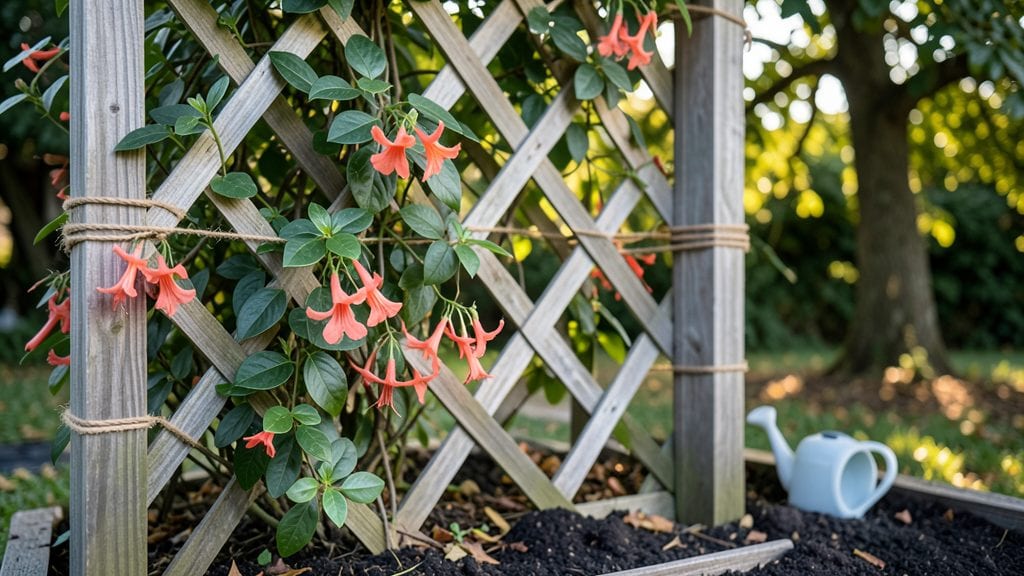
Garden enclosure plans create protective barriers that shield plants from pests, harsh winds, and unwanted access while defining your outdoor space. Selecting materials like cedar, galvanized metal, or composite lattice ensures longevity and visual appeal, while following precise blueprints guarantees sturdy, functional results customized to your garden's dimensions.
These protective structures go beyond basic fencing—they can transform your garden into a controlled ecosystem. 🌿 For instance, a wooden trellis not only supports climbing plants but also creates a natural windbreak, while metal cages add durability for high-traffic areas.
Many gardeners also use enclosures to extend growing seasons by protecting tender plants from late frosts or early freezes. The key is matching your design to both the plants you're sheltering and the local climate challenges.
💡 In This Article
- Materials and Design Factors for Durable Garden Enclosures
- Step-by-Step DIY Enclosure Construction for Beginners
Materials and design factors for durable garden enclosures
The right material transforms a garden enclosure from a temporary fix into a long-lasting investment. Cedar wood, for example, contains natural oils that resist rot and insects, making it ideal for humid climates where moisture accelerates decay.
These oils create a protective barrier that extends the wood's lifespan to 15-25 years with minimal maintenance—just an annual coat of stain to refresh its appearance. In contrast, untreated pine lacks these oils and may only last 5-10 years before warping or attracting termites.
Metal options like galvanized steel or powder-coated aluminum offer unmatched durability, especially in windy areas where flexibility prevents structural failure. A 6-foot-tall metal trellis can withstand 60 mph winds without bending, while plastic lattice panels (though lighter) may crack under similar stress. The trade-off?
Metal requires more upfront cost ($15-$25 per linear foot) but eliminates painting and sanding. Bamboo, often overlooked, combines strength with sustainability—its natural resins deter pests, and its hollow structure makes it lightweight yet rigid enough to support vines weighing up to 10 pounds per square foot.
Climate plays a critical role in material selection. In coastal regions with high salt exposure, aluminum outlasts wood by preventing corrosion, while in arid zones, untreated wood may last longer due to reduced fungal growth. For eco-conscious gardeners, reclaimed wood or recycled metal reduces landfill waste without sacrificing performance.
A 6-inch-thick reclaimed oak fence, for instance, can last 30+ years while telling a story of its past life—think barns or old warehouses.
Design factors like post spacing and panel height also impact durability. Posts spaced 6 feet apart with 4x4-inch pressure-treated stakes create a stable base, while taller enclosures (> 6 feet) need diagonal bracing to resist toppling in storms.
Lattice panels with 1-inch grid spacing allow airflow to prevent mold buildup, a common issue with dense plastic sheets that trap moisture. The key is balancing breathability with pest protection—fine mesh keeps out rabbits while letting beneficial insects pollinate your plants.
Consider this comparison for a 10-foot-long enclosure:
- Cedar wood: $80-$120 (includes stain), lasts 20 years, low maintenance
- Galvanized metal: $150-$200, lasts 30+ years, no painting
- Bamboo: $60-$90, lasts 10-15 years, biodegradable
- Plastic lattice: $40-$70, lasts 5-10 years, UV degradation
Most gardeners regret skipping weatherproofing—untreated materials cost 30-50% less upfront but require 2-3x more labor over time. The sweet spot? A hybrid approach: cedar posts with metal hardware for high-traffic areas, or bamboo panels filled with recycled plastic lattice for a modern look. 💫