
Pests
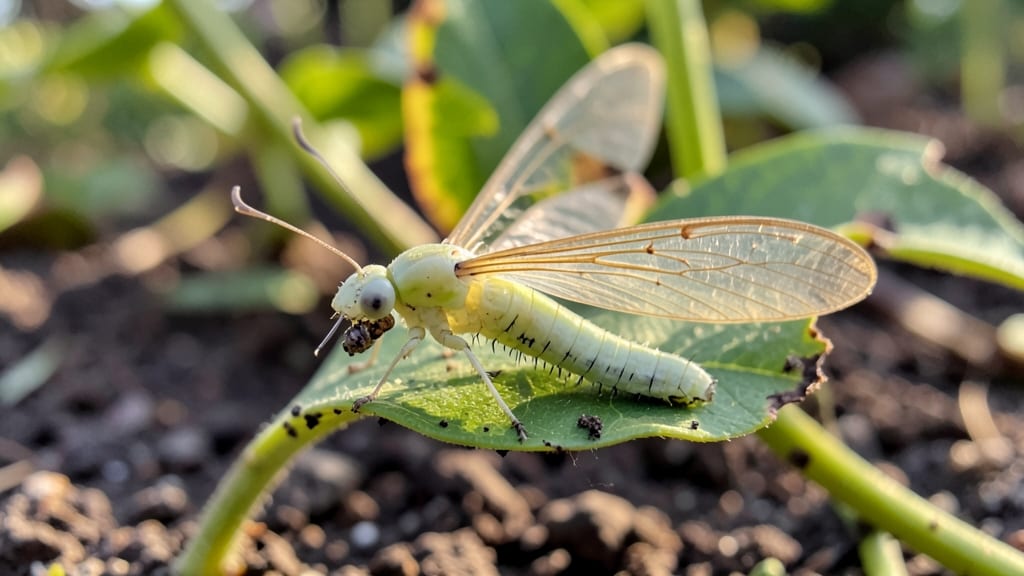
Browse through these helpful garden bugs images before deciding whether that creepy crawly is a helpful ally or a pest to shoo away.
This visual guide saves you from guessing—because the right bugs (like ladybugs and bees) are your garden’s secret weapon, while others (like aphids and squash bugs) demand attention. 🌿 I’ve spent years watching these tiny creatures transform my garden, and I’ll show you exactly which ones to welcome and which to watch closely.
The trick isn’t memorizing names—it’s recognizing shapes, colors, and behaviors. A ladybug’s spotted back means pest control on the house, while a striped cucumber beetle means your zucchini plants need protection.
This guide cuts through the confusion with clear images and quick tips, so you can act fast when needed and relax when the bugs are helping.
You’ll learn to spot the difference between harmless leafhoppers and destructive Japanese beetles in seconds. No more second-guessing what’s safe to leave alone or what’s worth addressing. The goal? A garden where beneficial bugs thrive and pests stay in check—without unnecessary sprays or panic.
Perfect for gardeners who want to make smarter decisions without diving into entomology textbooks. Here’s how to turn every bug sighting into a helpful clue for your garden’s health.
Common Causes Of Garden Bugs
Unwanted critters in your garden aren’t just random—they’re usually drawn by specific conditions. Understanding these triggers helps you take targeted action to keep your plants (and sanity) intact. Below, we break down the science behind why garden bugs show up in the first place.
🌱 Poor Plant Health
Stressed or unhealthy plants are like neon signs for hungry pests. When plants lack nutrients, water, or sunlight, their defenses weaken, making them easier targets. For example:
- Overwatering or drought weakens roots, attracting fungus gnats and aphids.
- Nutrient deficiencies (like nitrogen or potassium) make plants more susceptible to chewing insects like caterpillars.
- Diseased foliage (e.g., powdery mildew) draws sap-suckers like spider mites and whiteflies.
💡 Pro Tip: Conduct a soil test and prune dead leaves to remove hiding spots for pests.
🍃 Overcrowded Gardens
Tight spaces create the perfect storm for pests. Dense foliage traps moisture, blocks airflow, and gives bugs shelter from predators and pesticides. Common culprits include:
- Japanese beetles thrive in overgrown roses and grapes.
- Slugs and snails love damp, shaded areas with mulch piles.
- Fungal diseases spread faster in crowded plants, attracting insects that feed on infected tissue.
🌡️ Actionable Fix: Thin out plants to improve airflow and remove mulch from plant bases to reduce humidity.
🍄 Decaying Organic Matter
Compost piles, fallen leaves, and rotting wood aren’t just food for your soil—they’re buffet tables for pests. Bugs like:
- Earwigs hide in damp mulch and leaf litter.
- Carpenter ants nest in decaying wood near foundations.
- Fruit flies swarm overripe or fermenting fruit.
✨ Prevention Tip: Turn compost regularly, remove fallen fruit promptly, and store firewood away from your garden.
🌿 Lack Of Natural Predators
Garden ecosystems are delicate balances. When you eliminate predators (like birds, ladybugs, or ground beetles) through pesticides or habitat destruction, pests multiply unchecked. For instance:
- Aphids explode in numbers when their natural enemies (lacewings, hoverflies) are gone.
- Caterpillars thrive without parasitic wasps or predatory beetles.
- Spider mites take over when spiders and predatory mites are eradicated.
🎯 Eco-Friendly Solution: Plant native flowers to attract beneficial insects and avoid broad-spectrum pesticides.
🌦️ Weather And Seasonal Shifts
Bugs are opportunists, and their behavior shifts with the seasons. For example:
- Spring rains trigger fungus gnat and slug outbreaks.
- Hot, dry summers attract aphids and spider mites (which thrive in drought-stressed plants).
- Fall leaf drop creates hiding spots for overwintering pests like boxelder bugs.
🔥 Seasonal Strategy: Monitor weather forecasts and adjust watering/pesticide use accordingly.
By addressing these root causes, you’ll disrupt the conditions that invite garden pests—and keep your yard thriving without constant battles. Next, we’ll explore how to visually spot the good guys vs. the troublemakers in your garden.
Quick Fixes for Common Garden Bug Issues
Dealing with garden pests doesn’t have to feel like a losing battle. Whether you’re facing hungry caterpillars, persistent aphids, or invasive grubs, targeted solutions can help you reclaim your garden without harsh chemicals.
Below, we’ve mapped the most common problems to practical fixes—plus prevention tips to keep your plants thriving long-term.
🐛 Caterpillars & Leaf Munchers
Cause: Hungry larvae (like tomato hornworms or cabbage loopers) devour leaves overnight. Fix:
- Handpick & Drop: 👨🍳🔪 Snip off infested leaves or pick caterpillars off plants and drop them into soapy water.
- Neem Oil Spray: 🌿💧 Mix 1 tbsp neem oil + 1 tsp mild soap in 1 quart of water. Spray leaves thoroughly (repeat every 5–7 days).
- Bacillus Thuringiensis (Bt): 🔬💊 A natural bacteria that targets caterpillars but is safe for other wildlife. Apply as a spray when eggs hatch.
Prevention: ✨ Plant companion crops like marigolds or basil to repel pests. ✨ Rotate crops yearly to disrupt life cycles.
🐜 Aphids & Sap-Sucking Pests
Cause: Tiny aphids cluster on new growth, draining nutrients and spreading viruses. Fix:
- Blast Them Off: 💦🔥 Use a strong spray of water (early morning) to dislodge them.
- Insecticidal Soap: 🧼🛡️ Mix 2 tbsp castile soap + 1 quart water. Spray directly on aphids (reapply after rain).
- Ladybugs & Lacewings: 🐞🌱 Introduce beneficial insects—release ladybug eggs or buy lacewing larvae from garden centers.
Prevention: 💡 Encourage natural predators by planting dill, fennel, or yarrow. 💡 Avoid over-fertilizing with nitrogen (aphids love tender new growth).
🌱 Grubs & Soil-Dwelling Pests
Cause: White grubs (from beetles) chew roots, causing wilting or dead patches in lawns/beds. Fix:
- Milky Spore Treatment: 🌡️🔥 A natural bacteria (Bacillus popilliae) that targets Japanese beetle grubs. Apply to soil in early summer.
- Beneficial Nematodes: 🐛💥 Microscopic worms that infect grubs. Water soil with nematode solution in spring/fall.
- Hand-Dig & Remove: 👨🌾🔍 Turn over small sections of soil to expose grubs, then remove by hand (wear gloves!).
Prevention: ✨ Aerate soil annually to reduce egg-laying spots. ✨ Mow high (3–4 inches) to disrupt beetle life cycles.
🍄 Fungal Issues & Slugs/Snails
Cause: Slugs/snails leave slimy trails and chew holes in leaves; fungi (like powdery mildew) thrive in damp conditions. Fix:
- Beer Traps: 🍺🥶 Bury a shallow dish filled with beer—slugs crawl in and drown overnight.
- Copper Barriers: ⚡🛡️ Install copper tape around beds; the mild electric shock repels slugs.
- Baking Soda Spray: 🧂🌿 Mix 1 tbsp baking soda + 1 quart water + a drop of dish soap. Spray on fungal spots (reapply after rain).
Prevention: 💡 Water in the morning to let foliage dry quickly. 💡 Remove mulch at night if slugs are rampant (they hide under it).
🌿 General Garden Defense Tips
- Inspect Plants Weekly: 🔍🌱 Check undersides of leaves and stems for early signs of pests.
- Rotate Plant Locations: 🔄🌱 Move susceptible plants yearly to prevent soil-borne pests.
- Use Row Covers: 🧣🌿 Lightweight fabric barriers block pests while allowing sunlight and water.
Pro Tip: 🎯 Document your garden with photos (like those in garden bugs images guides) to track pest patterns and solutions over time. A little vigilance goes a long way!
Frequently asked questions
Why are there so many bugs in my garden all of a sudden?
Sudden bug surges often happen due to seasonal changes or stressed plants. Spring rains or hot summer weather can trigger outbreaks like aphids and spider mites, while overcrowded plants create perfect hiding spots for pests. Check your watering habits and plant spacing—healthy plants naturally deter bugs better!
How can I tell if a bug is beneficial or harmful?
Look for key visual clues! Beneficial bugs like ladybugs have bright colors (red/yellow) and spots, while harmful pests often have striped patterns or chewed leaves. Use the visual guide’s labeled images to compare shapes, sizes, and behaviors—like whether they’re flying, crawling, or munching on other bugs!
Can I use my phone to identify bugs from the images?
Download the images to your phone and use photo apps like Google Lens or iNaturalist to compare real-time bug photos. These tools analyze patterns and colors, making it easy to match your garden visitors with the guide’s labeled examples—no entomology degree required!
What’s the best way to handle a bug infestation without chemicals?
Start with manual removal (handpick pests) or introduce natural predators like ladybugs. For stubborn issues, try targeted sprays like neem oil or insecticidal soap. Always check the guide’s "How to Solve" section for specific fixes tailored to the bug you’ve identified!