Tools
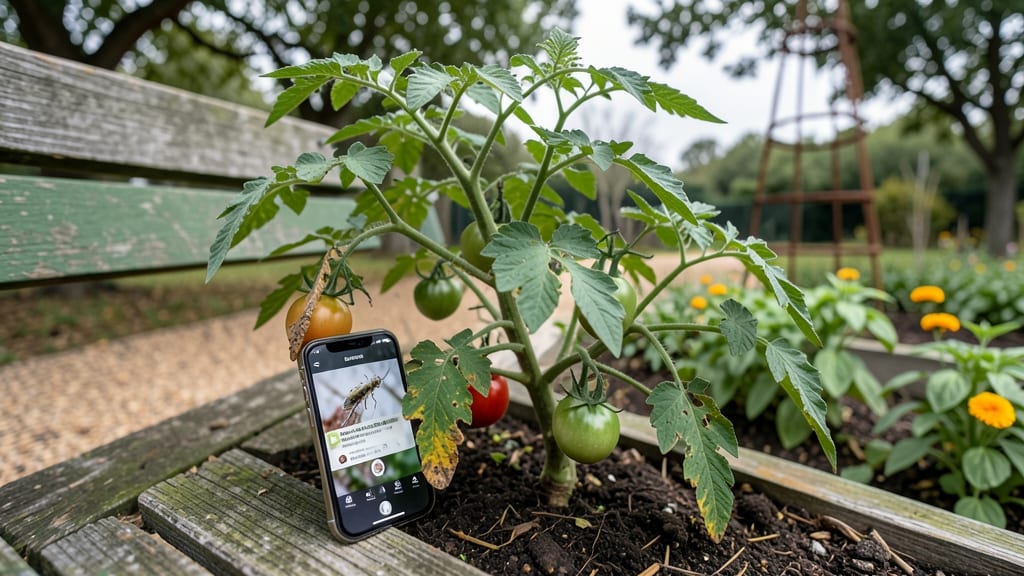
Identifying garden pests starts with spotting the tiny troublemakers before they turn your thriving plants into Swiss cheese. 🌿 I’ve spent years watching aphids cluster like green cotton balls, slugs leave silvery trails at night, and beetles chew perfect holes in leaves—each leaves a dead giveaway if you know what to look for.
The key is damage patterns: chewed edges mean beetles, sticky residue signals aphids, and ragged holes? Likely caterpillars. Most pests target specific plants—tomatoes get hornworms, roses attract Japanese beetles, and basil loves aphids. A magnifying glass and a flashlight reveal their hiding spots, so you can act fast.
Once you spot them, control gets easier. Neem oil stops aphids in their tracks, diatomaceous earth dries out slugs, and handpicking beetles works surprisingly well. The goal isn’t to eliminate them entirely—it’s to keep them from becoming a full-blown invasion.
This guide covers the most common culprits with clear visual cues and simple solutions. No more guessing what’s munching on your garden—just proof and a plan to stop it. Let’s get those pests identified and out of your plants for good.
Root Causes Of Garden Invaders
Understanding why pests target your garden is half the battle—once you know how they think, you can outsmart them. Here’s a breakdown of the science behind their behavior, from environmental triggers to plant chemistry that screams "all-you-can-eat buffet."
Pests thrive where food is abundant and competition is low.
When plants grow too close together, they create: - Reduced airflow → Higher humidity = fungal diseases (like powdery mildew) that attract pests like aphids and spider mites. - Stress signals → Damaged or struggling plants release volatile organic compounds (VOCs), which act like dinner bells for insects. - Shelter opportunities → Dense foliage hides pests from predators (like ladybugs) and makes sprays less effective.
Actionable fix: Prune regularly to improve airflow and thin out overgrown areas. 🌿 Pro tip: Mulch properly—too much can suffocate roots and attract soil-dwelling pests like cutworms.
Water stress is a silent pest magnet.
Here’s how it works: - Overwatering → Soft, mushy plants attract slugs, snails, and fungal-loving pests like vine weevils. - Underwatering → Plants produce more sugars to survive, making them sweeter targets for sap-suckers (e.g., whiteflies, mealybugs). - Poor drainage → Waterlogged soil creates anaerobic conditions, stressing roots and inviting grubs and wireworms.
Actionable fix:
- Use drip irrigation to deliver water directly to roots (avoids wetting leaves, reducing fungal pests).
- Test soil moisture with a probe—aim for the "squeeze-a-lemon" consistency (damp but not soggy).
Plants don’t just grow—they communicate. When damaged, they release: - Jasmonic acid → A stress hormone that repels herbivores but also attracts their predators (like parasitic wasps).
However, some pests (e.g., caterpillars) are drawn to the scent of struggling plants. - Volatile organic compounds (VOCs) → Smells like green leaf volatiles (GLVs) can lure pests from miles away (literally—some moths navigate using these scents).
Actionable fix:
- Rotate crops to disrupt pest life cycles (e.g., avoid planting tomatoes in the same spot yearly).
- Interplant with repellents: Basil deters thrips, marigolds confuse nematodes, and chives ward off aphids.
Pests need more than food—they need shelter.
Common hiding spots include: - Debris piles → Leaf litter, old pots, and woodpiles harbor slug eggs, cutworms, and earwigs. - Rocks and dense mulch → Ideal for hibernating pests like boxelder bugs or overwintering beetles. - Weedy edges → Dandelions and bindweed host aphids, while chickweed attracts flea beetles.
Actionable fix:
- Clear debris regularly (especially in fall—this is when many pests lay eggs).
- Use reflective mulch (like silver plastic) to disorient crawling pests (e.g., cutworms).
Temperature and weather patterns directly impact pest behavior:
- Warm winters → More surviving pests (e.g., Japanese beetles, squash bugs) mean bigger spring populations.
- Early springs → Pests emerge earlier, catching plants off-guard (e.g., cabbage worms on brassicas).
- Drought stress → Plants produce more nectar to survive, attracting ants (who "farm" aphids for honeydew).
Actionable fix:
- Monitor forecasts and apply preventive sprays (like neem oil) before pests appear.
- Choose heat-tolerant varieties (e.g., 'Heatmaster' tomatoes resist cracking, which deters pests).
Some pests develop resistance to natural defenses or pesticides through:
- Genetic mutations → Example: Some aphids now resist pyrethrin-based sprays.
- Behavioral shifts → Whiteflies now avoid yellow sticky traps after generations of exposure.
- Polyphagy → Generalist pests (like stink bugs) switch to new crops when old favorites are treated.
Actionable fix:
- Rotate pesticide classes (e.g., alternate between biological controls like Bacillus thuringiensis and chemical sprays).
- Encourage biodiversity—more predator species (lizards, birds, ground beetles) mean fewer pest outbreaks.
Quick Fixes for Common Garden Invaders
Got an unwanted guest in your garden? Don’t panic—most pest problems have simple, effective solutions. Below, we’ll match the most common culprits to practical fixes, from quick remedies to long-term prevention. Think of this as your pest-fighting toolkit: no fancy gear required, just smart moves.
**🔥 Cause: Tiny green/black bugs clustering on leaves, stems, or new growth. 🍳 Fix It Fast: - Blast them off with a strong spray of water (aphids hate this!). - Soap it up: Mix 1 tbsp mild dish soap + 1 quart water in a spray bottle.
Dab directly on clusters. - Ladybugs to the rescue:** Release beneficial ladybugs—they love eating aphids.
**🌱 Prevent Future Attacks:
- Encourage predators: Plant marigolds, dill, or fennel nearby to attract natural enemies.
- Prune regularly to remove infested leaves before they spread.
- Avoid over-fertilizing (aphids adore soft, nitrogen-rich plants).
🔥 Cause: Ragged leaves, shiny slime trails, and holes in your prized veggies—usually at dawn or dusk. 👨🍳 Trap & Remove:
- Beer traps work: Bury a shallow dish filled with beer near plants. Slugs crawl in and drown (gross but effective).
- Copper barriers: Wrap copper tape around pots or raised beds—slugs get a mild electric shock and avoid it.
- Handpick at night with a flashlight and drop them in soapy water (yes, it’s weird but satisfying).
🌡️ Keep Them Out for Good:
- Crushed eggshells or diatomaceous earth create a gritty barrier they hate.
- Remove hiding spots: Clear debris, boards, or thick mulch where they nap.
- Plant slug-resistant crops: Try geraniums, lavender, or thyme—they’re slug’s worst nightmare.
🔥 Cause: White, moth-like flies swarming plants; sticky residue (honeydew) on leaves. 🥘 Smother & Suck Them Up:
- Yellow sticky traps: Hang them near infested plants to catch adults.
- Neem oil spray: Mix 1 tbsp neem oil + 1 tsp mild soap + 1 quart water. Spray undersides of leaves where they hide.
- Blow them away: Use a strong fan to dislodge them from plants (they’re weak fliers!).
🎯 Stop the Cycle:
- Isolate infested plants until they’re pest-free.
- Encourage parasitic wasps (they lay eggs in whitefly larvae—nature’s cleanup crew).
- Keep plants healthy: Stressed plants attract more pests.
🔥 Cause: Large green worms (or yellow/black striped caterpillars) devouring brassicas (kale, cabbage, broccoli). 🔪 Kill Them Fast:
- Handpick & drown: Check undersides of leaves daily and drop worms in soapy water.
- Bacillus thuringiensis (Bt): A natural bacteria spray that kills caterpillars without harming other bugs.
- Row covers: Use lightweight fabric to block moths from laying eggs in the first place.
✨ Long-Term Defense:
- Rotate crops so cabbage worms don’t find a permanent home.
- Plant trap crops: Sacrifice a few radishes or mustard greens to lure them away.
- Plant herbs nearby: Dill, mint, or thyme repel the moths.
🔥 Cause: Jagged edges on leaves, missing plants, and half-eaten veggies (usually at dawn/dusk). 🚧 Block Their Access:
- Fencing: At least 8 feet tall for deer, 2–3 feet for rabbits (bury it 12 inches deep!).
- Repellent sprays: Mix 1 part rotten eggs + 3 parts water and spray around the perimeter (smells awful, works wonders).
- Decoy plants: Plant less desirable options (like marigolds or daffodils) as a buffer.
💡 Pro Tip:
- Motion-activated sprinklers startle them into leaving for good.
- Chicken wire barriers work for smaller critters—just secure them tightly!
🌱 Bonus: Universal Prevention Tips*
- Healthy soil = happy plants: Strong plants resist pests better. Add compost and mulch.
- Inspect regularly: Catch problems early before they explode.
- Diversify your garden:** A mix of plants confuses pests and attracts beneficial bugs.
Now grab your gloves, spray bottle, or beer trap—your garden’s about to get its groove back! 🚀
Frequently asked questions
How do I tell the difference between a caterpillar and a beetle larva?
Look at their bodies and movement: caterpillars have smooth, segmented bodies with no hard shell and move in a looping motion. Beetle larvae (like grubs) have hard, segmented bodies with visible legs and move in a straight line. Check for chewing patterns too—caterpillars leave ragged edges, while beetle larvae create neat, round holes.
What’s the best time of day to spot garden pests?
Early morning or late evening works best. Many pests like slugs, cutworms, and Japanese beetles are most active when it's damp or cooler. Use a flashlight to inspect plants after dark—you’ll often find them feeding or hiding in unexpected places.
Can I use coffee grounds to repel pests?
Yes, but with caution! Coffee grounds deter slugs, snails, and some beetles when sprinkled around plants. However, they can also attract ants and may alter soil pH over time. Use sparingly (about 1 cup per 10 sq ft) and reapply after rain. For best results, mix with diatomaceous earth for a stronger barrier.
Why do some plants get pests while others don’t?
Healthy, well-balanced plants naturally resist pests better. Over-fertilized or stressed plants (from drought or poor soil) produce more sugars, making them tastier targets. Focus on soil health, proper spacing, and regular pruning to reduce attractants.
What’s the fastest way to confirm if I have aphids or mites?
Use a magnifying glass to check for size and movement: aphids are 1/16-inch green/black bugs that crawl slowly, while mites are tiny red/yellow specks that move rapidly. Tap leaves over white paper—aphids will drop immediately, but mites may stay hidden on the undersides.