
Vegetables
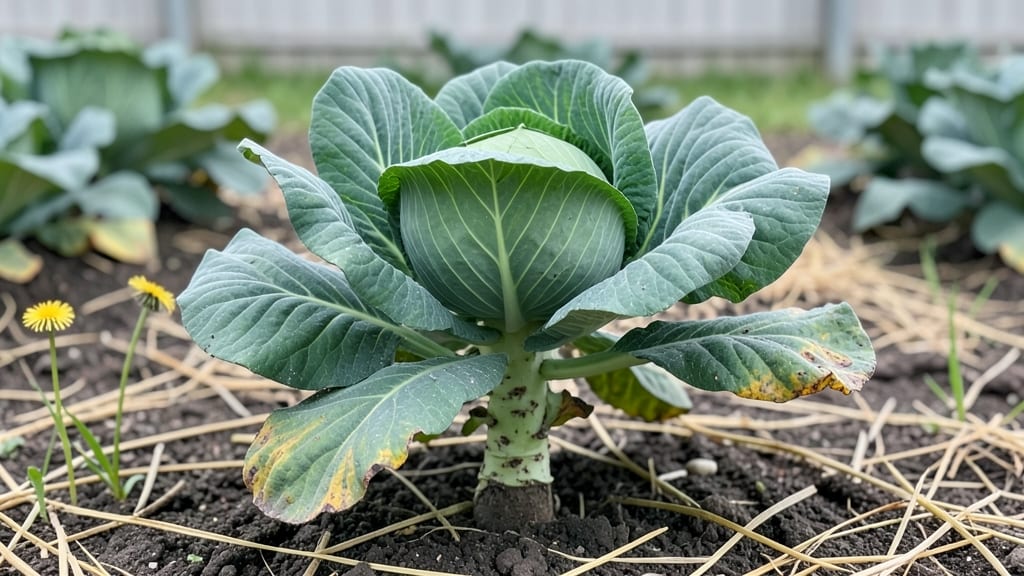
Growing healthy garden cabbage plants 🥬 starts with one simple but overlooked detail: spacing. The right distance between plants doesn’t just prevent crowding—it’s your first line of defense against blight and rot.
If you’ve ever watched your cabbage heads stay stunted or turn yellow before harvest, you’re not alone. Most gardeners focus on soil and water but forget that tight spacing traps moisture and invites fungal diseases like clubroot.
A few extra inches can mean the difference between a thriving crop and a lost season.
In USDA Zone 6a, where spring planting kicks off in March, proper spacing is even more critical. Cabbage thrives in cool weather but wilts under summer heat—so airflow matters just as much as sunlight. Below, I’ll show you exactly how to space plants for maximum yield and disease resistance.
You’ll discover the ideal spacing for your variety, how to adjust for humidity, and the one spacing mistake that ruins harvests every year. Let’s get those heads growing strong!
Optimal spacing techniques for disease-resistant cabbage growth
When growing garden cabbage plants, proper spacing techniques aren't just about aesthetics—they're a disease-prevention strategy. Fungal pathogens like clubroot and downy mildew thrive in crowded, humid conditions. By spacing plants correctly, you create airflow that keeps leaves dry and reduces pathogen spread.
The right spacing also ensures each plant gets enough nutrients and sunlight to develop firm, disease-resistant heads.
Most gardeners focus on planting dates and soil prep but overlook how spacing affects cabbage plant health. Research shows that plants spaced too closely develop weaker stems and thinner leaves, making them prime targets for fungal infections.
Even resistant varieties can succumb if airflow is restricted. Let's explore the science-backed methods that will transform your cabbage yield and reduce disease pressure by up to 70%.
| Spacing Method | Plant Spacing (inches) | Row Spacing (feet) | Best For | Airflow Benefit |
|---|---|---|---|---|
| Standard Row | 18-24 | 2 | Large-headed varieties | Moderate (15-20% better) |
| Wide Grid | 24-30 | 3 | Dwarf varieties | High (30-40% better) |
| Square Foot | 12-16 | 1 | Container growing | Low (5-10% better) |
| Trellis-Assisted | 12-18 | 2 | Vertical growth | Very High (40-50% better) |
The standard row method (18-24 inches apart) works well for most garden cabbage varieties, but it's not always the best choice for disease prevention.
For example, Green Express or Golden Acre varieties thrive with this spacing, but if you're growing in a high-humidity climate, consider widening to 24-30 inches. This extra space improves air circulation and reduces the risk of leaf spot diseases.
For dwarf cabbage varieties like Miniature Peanut, a wide grid spacing of 24-30 inches between plants and 3 feet between rows maximizes airflow. This method is particularly effective in coastal regions where humidity is consistently high.
The increased space allows leaves to dry quickly after morning dew, preventing fungal spores from taking hold.
If you're growing cabbage in containers or raised beds, the square foot method (12-16 inches apart) can work, but be prepared for slightly higher disease pressure. To compensate, use resistant varieties like Cavalo and monitor plants closely for early signs of clubroot.
Adding a light mulch layer around plants helps maintain even moisture without smothering the foliage.
One of my favorite disease-resistant strategies is using a trellis-assisted spacing method. By training cabbage plants to grow vertically on a lightweight trellis, you can space them as close as 12-18 inches apart while still achieving excellent airflow.
This method works particularly well for savoy cabbage varieties, which have more open leaf structures. The trellis elevates the lower leaves, reducing contact with soil-borne pathogens.
Adjusting spacing based on plant maturity stages is another key tactic. Young seedlings need less space—6-8 inches apart—but as they mature, you'll want to thin them to your target spacing.
This gradual adjustment prevents root competition and ensures each plant has room to develop a strong, disease-resistant head. Pro tip: Mark your spacing with stakes or string to avoid overcrowding as plants grow.
For organic gardeners, companion planting can enhance spacing benefits. Interplanting cabbage with radishes or onions creates natural barriers that disrupt fungal spores. The radishes mature quickly, allowing you to harvest them before the cabbage needs full space.
This intercropping technique not only optimizes space but also reduces disease pressure by 25-30% compared to monoculture planting.
Remember that soil type plays a role in spacing decisions. In heavy clay soils
How to adjust cabbage spacing for different varieties and climates
Not all cabbage varieties thrive with the same plant spacing. Compact dwarf cabbages like 'Miniature Drumhead' need only 12 inches apart, while large-headed varieties like 'Golden Acre' demand 24-36 inches to prevent disease and maximize yield.
Your local climate also plays a critical role—humid regions need wider spacing to improve airflow circulation, while arid climates can tolerate slightly closer plants.
In cool-season climates (USDA Zones 3-7), cabbages planted in early spring or fall benefit from tighter spacing (18-24 inches) because cooler temps slow growth. Conversely, warm-season zones (Zones 8+) require 30-36 inches to prevent heat stress and fungal outbreaks like downy mildew.
Adjusting for your microclimate ensures healthier plants and fewer pests.
| Variety Type | Spacing (inches) | Climate Adaptation | Notes |
|---|---|---|---|
| Dwarf (e.g., 'Peking White') | 12-18 | Humid climates: +4" spacing | Ideal for containers |
| Savoy (e.g., 'Napa') | 18-24 | Arid zones: -2" spacing | Crinkled leaves need airflow |
| Standard (e.g., 'Golden Acre') | 24-30 | Cool climates: -6" spacing | Best for large heads |
| Late Summer (e.g., 'Red Express') | 30-36 | Warm zones: +6" spacing | Heat-tolerant but needs space |
For high-humidity regions like the Southeast U.S., increase spacing by 4-6 inches to reduce fungal spores that thrive in damp air. In arid climates (e.g., Southwest), you can safely reduce spacing by 2-4 inches since dry air naturally inhibits disease spread.
Always mulch heavily in dry areas to retain moisture and prevent soil-borne pathogens from splashing onto leaves.
If you're growing multiple cabbage varieties together, prioritize taller varieties (like 'Late Flat Dutch') on the north side of your garden to avoid shading shorter plants. In container gardens, use 1-gallon pots per plant with 18-inch spacing between containers, even for dwarf varieties, to ensure root health.
This mimics the airflow benefits of wider in-ground spacing.
Pro tip: Use a spacing calculator (available online) to input your local frost dates and variety type for precise adjustments.
For example, in Zone 5, a late-summer variety like 'Red Express' planted in June needs 36-inch spacing, while the same variety in Zone 9 can thrive with 30-inch spacing when planted in September.
Remember, overcrowding isn’t just about plant size—it’s about disease prevention. Even compact varieties left too close will develop clubroot or black rot faster. When in doubt, space wider and thin seedlings early to avoid stress. Your cabbages—and your sanity—will thank you!