
Plants
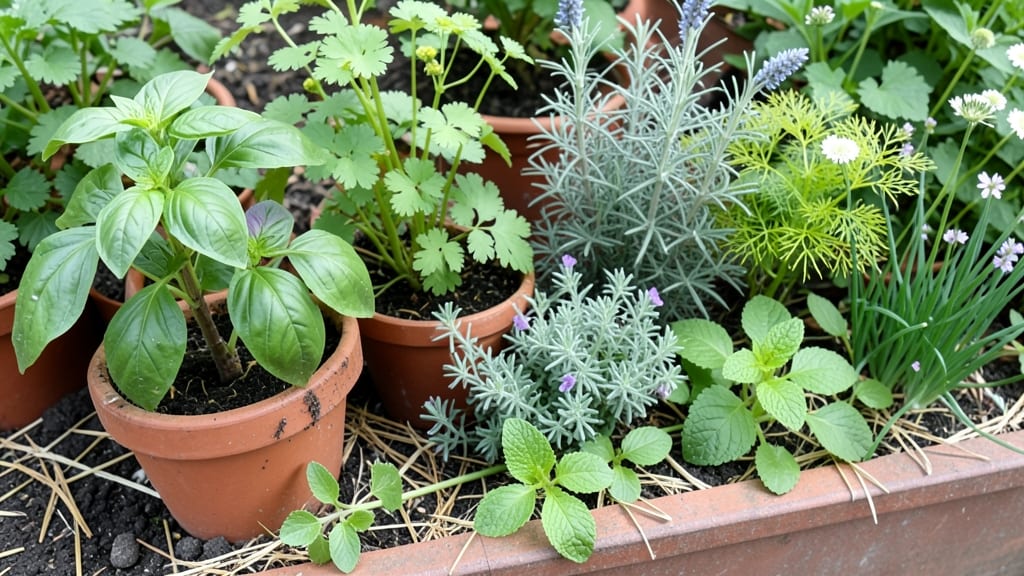
Looking at your garden herbs pictures is the fastest way to stop mixing up basil and thyme—because once you see the differences, you’ll never confuse them again.
Picture this: you’ve just planted a new herb garden, but now you’re staring at a row of green plants wondering, "Which one is which?" Without clear visual cues, even experienced gardeners can get tripped up.
That’s where these labeled photos come in—each one showing you exactly what rosemary, cilantro, and parsley look like at every stage of growth.
Beyond just identification, these images reveal the care secrets hidden in their leaves and stems. Notice how rosemary’s needle-like foliage stays stiff even when dry? That’s your clue it thrives in drought.
Or how basil’s broad leaves wilt if it gets too much afternoon sun? These visual hints make tending your spring herbs effortless, whether you’re in USDA Zone 6a or beyond.
Inside, you’ll find 20 must-know varieties with side-by-side comparisons, seasonal planting tips, and even companion planting pairings to boost your harvest. Ready to turn that garden confusion into a flavor-packed reality?
Visual guide to 20 common garden herbs with names and key features
Identifying herbs by sight is the first step to growing a thriving kitchen garden. Whether you're a beginner or seasoned gardener, knowing how to distinguish basil from cilantro or rosemary from thyme ensures you provide the right care.
These garden herbs pictures and descriptions will help you recognize key traits like leaf shape, growth habit, and aroma—plus their best uses in cooking and medicine.
Herbs aren't just for flavor—they're powerhouses of medicinal properties and ornamental value. For example, lavender calms nerves, while mint aids digestion. Understanding these features helps you plan your garden layout, companion planting, and even pest control strategies. Let’s explore the most popular varieties with their distinguishing characteristics.
🌿
| Herb Name | Leaf Shape | Growth Habit | Key Uses | Sunlight Needs |
|---|---|---|---|---|
| Basil | Oval, toothed edges | Bushy, upright | Pesto, salads, pest repellent | Full sun (6+ hours) |
| Rosemary | Needle-like, aromatic | Woody shrub, upright | Roasts, teas, air freshener | Full sun (6-8 hours) |
| Thyme | td style="padding: 12px 15px;">Small, oval, gray-greenLow-spreading, woody | Meat rubs, soups, cough relief | Full sun (6+ hours) | |
| Oregano | Oval, slightly fuzzy | Bushy, aromatic | Pizza, marinades, digestion | Full sun (6+ hours) |
| Mint | Oval, serrated edges | Spreading, invasive | Teas, cocktails, digestion | Partial shade (4-6 hours) |
| Cilantro | Fern-like, lacy | Bushy, bolt-resistant | Salsas, garnishes, detox | Partial sun (4-6 hours) |
| Dill | Feathery, fern-like | Tall, airy stems | Pickles, fish dishes, digestion | Full sun (6+ hours) |
| Parsley | Curly or flat, lobed | Bushy, biennial | Garnish, soups, vitamin K | Partial sun (4-6 hours) |
| Chives | Grass-like, hollow stems | Clumping, perennial | Potatoes, omelets, cold remedy | Full sun (6+ hours) |
| Lavender | Narrow, gray-green | Dense, woody | Tea, sache
How to use herb pictures for proper plant care and harvestingHerb pictures aren’t just for admiring your garden—they’re powerful tools for ensuring your plants thrive. By visually identifying your herbs, you can match each variety to its ideal sunlight, spacing requirements, and pruning needs. For example, rosemary with its needle-like leaves needs full sun, while parsley prefers partial shade. Pictures help you spot these differences at a glance. Visual cues also reveal when to harvest for peak flavor. Look for vibrant leaf color, full leaf development, and strong aromas—all signs your herbs are ready. A picture of basil with deep green, slightly wrinkled leaves tells you it’s time to snip, while dill flowers signal harvest time for seeds. Without visual references, it’s easy to miss these subtle clues.
💡 Pro Tip: Use herb pictures to create a care cheat sheet for your garden. Label each plant with its sunlight needs, watering schedule, and harvest cues. For instance, thyme thrives in 6-8 hours of sun and should be harvested when leaves are dark green and fragrant. Snap photos of your plants at different stages to track growth and spot pests early.
Spacing is another area where pictures shine. Overcrowded herbs struggle to grow, while those with too much space waste garden real estate. A photo of mint spreading aggressively reminds you to plant it in containers, while chives’ clump growth shows they need 6-12 inches of space. Visuals help you plan layouts that maximize yield without competition. Pruning cues are often visual too. Look for woody stems in perennials like oregano or yellowing leaves on cilantro—both signals to trim back. Pictures of healthy vs. overgrown herbs make it clear when to prune for bushier growth or to encourage flowering. For instance, pinching back basil flowers prevents bolting and keeps leaves tender. Pest identification is easier with visual references. Compare pictures of aphids on rosemary to your plants to catch infestations early. A photo of powdery mildew on dill helps you recognize fungal issues before they spread. Keep a digital album of pest-damaged herbs to troubleshoot problems faster. Finally, herb pictures help you time harvests for maximum flavor. For example, parsley tastes strongest before bolting, while tarragon leaves are best harvested in late summer. Snap photos of your herbs at different growth stages to track when they’re at their peak—this ensures you always harvest at the right moment. |