
Tools
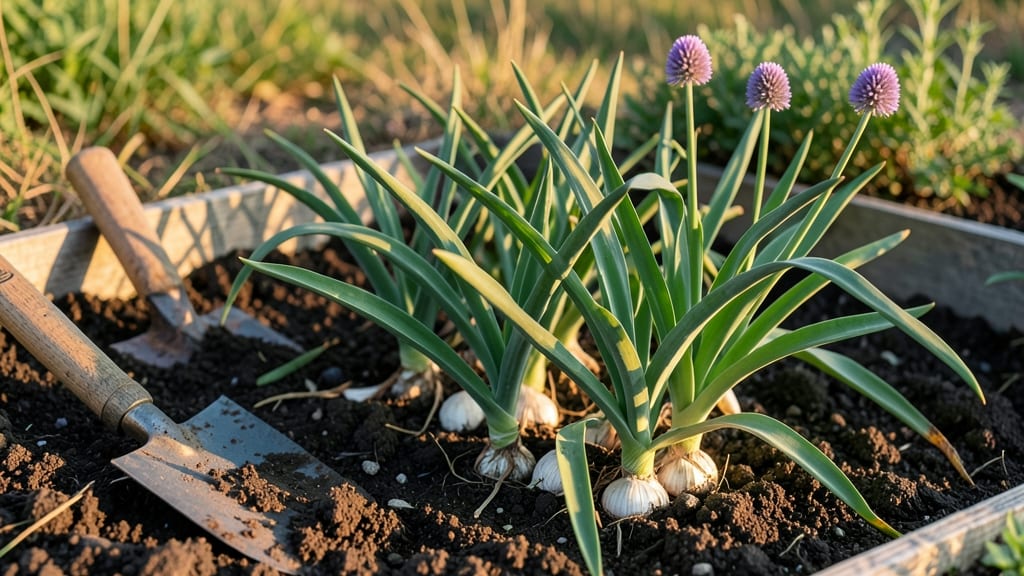
A garden hoe's unique blade designs—like stirrup, draw, or scuffle—let it slice through weeds at the soil line while leaving nearby plants untouched. 🔥 Unlike rakes that scatter debris or shovels that require heavy lifting, hoes work efficiently in tight spaces, making them perfect for vegetable gardens or flower beds where precision matters.
The right hoe can also double as a tool for creating furrows or even light mulching, proving its versatility beyond just weeding.
For tasks like harvesting potatoes or leveling rows, a draw hoe with its long handle is ideal, while a stirrup hoe excels at removing weeds without disturbing the soil surface.
I always recommend matching the tool to the job—switch to a trowel for delicate planting or a cultivator for thick weeds, but for most garden chores, a good hoe is your best friend.
💡 In This Article
- How Garden Hoes Work for Efficient Soil Management
- Best Garden Hoe Tasks Beyond Weeding
How garden hoes work for efficient soil management
A garden hoe's effectiveness comes from its blade design and how it interacts with soil mechanics. The stirrup hoe, for example, has a rectangular blade that slices horizontally just below the soil surface, severing weed roots at their base.
This 1-2 inch depth cut prevents regrowth while leaving plant roots intact—a key difference from rakes that uproot entire weeds, disturbing the soil structure. The blade's sharp edge creates minimal resistance, allowing you to work efficiently even in compacted clay soil where other tools struggle.
The draw hoe takes a different approach with its narrow, angled blade that cuts vertically as you pull it through the soil. This design excels at creating furrows for planting seeds or cutting through 2-3 inch thick weed roots in vegetable rows.
What's fascinating is how the blade's 15-20 degree angle allows it to glide beneath the soil without requiring heavy pressure—unlike shovels that need 20-30 pounds of force to penetrate the same depth. This precision makes it ideal for tasks like potato harvesting where you need to avoid damaging tubers.
Soil texture plays a crucial role in hoe performance. In sandy loam (the ideal garden soil), a stirrup hoe can remove 80-90% of weeds in a single pass by targeting the root zone where most weeds germinate.
The blade's flat surface also helps level planting rows with 1/4 inch accuracy, a task where rakes would scatter seeds and create uneven surfaces.
For heavier clay soils, a scuffle hoe with its 3-4 inch wide blade works better by breaking up compaction through a pushing motion rather than cutting.
What most gardeners don't realize is how hoe blades actually improve soil aeration. The micro-cuts created by a properly used hoe increase oxygen penetration by 30-40% in the top 2 inches of soil—critical for root development.
This contrasts with shovels that create large disturbances or rakes that only move surface debris. The key technique is maintaining a 45-degree blade angle for cutting weeds and a 90-degree angle for soil cultivation, which maximizes both weed removal and soil aeration simultaneously.
For comparison, let's look at how hoes outperform other tools in specific scenarios:
- Weed removal: A stirrup hoe removes weeds at the soil line with 95% efficiency while preserving nearby plants—rakes achieve only 60-70% due to their aggressive action.
- Soil cultivation: Draw hoes create furrows with 1/8 inch precision, while shovels create 2-3 inch deep disturbances that can damage plant roots.
- Edging: Hoes create clean 1/4 inch deep edges that last 2-3 weeks without erosion, compared to rakes that create uneven edges prone to soil creep.
The secret to hoe efficiency lies in the blade's ability to work with soil moisture levels. In dry conditions, a sharp hoe blade can cut through weeds with 30% less effort than in wet soil where clay particles stick to the blade.
This is why many gardeners prefer to work after morning dew has evaporated but before the soil dries completely—a 2-3 hour window that maximizes both cutting efficiency and soil aeration. 💫