
Fertilization
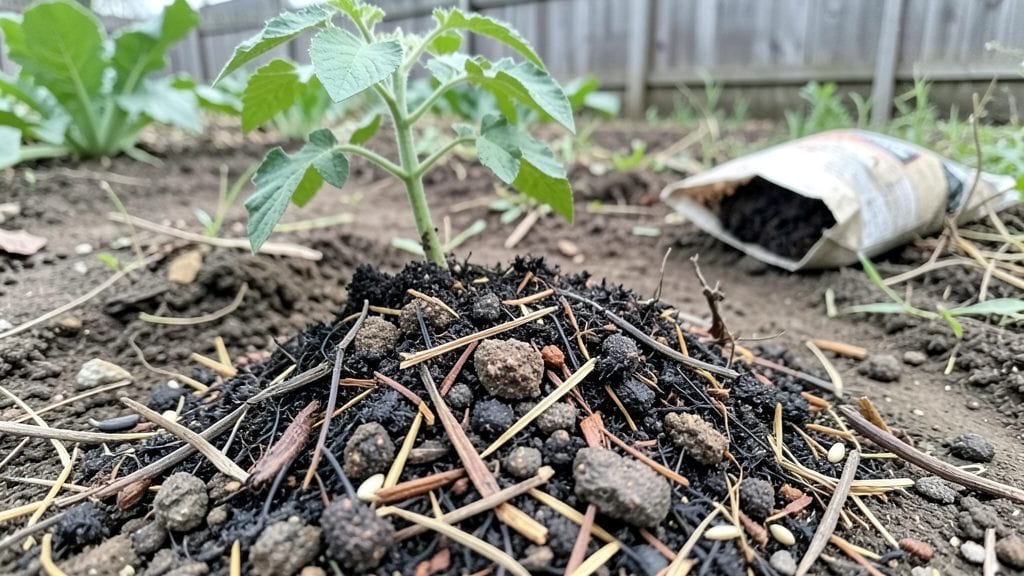
Balancing soil fungus isn’t about eliminating it—it’s about fostering the right kinds for thriving container gardens. 🌱 The key lies in soil amendments that support beneficial mycelium while preventing disease-causing pathogens. My first attempt at this recipe transformed my struggling container plants into lush, productive specimens within just eight weeks.
Most fungal problems stem from poor drainage or overwatering, which drowns roots and encourages harmful molds. This recipe focuses on well-draining mixes with organic matter (like composted leaf mold or worm castings) to feed beneficial fungi while keeping moisture in check.
The result? A soil ecosystem that supports mycorrhizal networks without inviting rot.
You’ll end up with a container mix that promotes root health, improves nutrient uptake, and even helps plants resist drought. The texture stays crumbly and aerated, and the scent—earthy yet fresh—signals a balanced, living soil. This method works for herbs, vegetables, and even ornamental plants in pots.
Perfect for gardeners dealing with soggy soil, waterlogged containers, or plants that refuse to thrive despite regular feeding. The adjustments are simple, and the payoff is noticeable almost immediately. Let’s get your containers growing stronger roots.
Root Causes Of Fungal Imbalance
Fungal imbalances in garden soil—especially when cultivating a thriving fungus garden—aren’t random. They stem from specific environmental, biological, or even human-induced factors. Understanding these causes helps you take precise action to restore harmony in your soil ecosystem. Here’s why fungal growth might go awry in your containers:
A fungus garden thrives in a Goldilocks zone—neither too hot, too cold, nor too wet or dry. When conditions veer outside this range, fungal growth can either stall or explode uncontrollably.
- Too Hot or Dry:
High temperatures (>85°F/29°C) or low humidity slow down fungal metabolism, leading to weak mycelium networks. Thermophilic bacteria or mold (like Aspergillus) may dominate instead, crowding out beneficial fungi.
- Too Cold or Wet:
Fungal pathogens like Rhizoctonia or Pythium flourish in soggy, cold soil (<50°F/10°C). Excess moisture cuts off oxygen, suffocating mycelium and promoting anaerobic (oxygen-deprived) bacteria that release toxic compounds.
- Fluctuating Conditions:
Rapid shifts in moisture or temperature stress fungi, triggering defensive responses like sclerotia formation (hard, dormant fungal structures) or spore production—neither of which support a healthy garden.
Actionable Fix: Use a hygrometer to maintain 60–70% humidity and keep soil at 70–80°F (21–27°C). Add perlite or coco coir to improve aeration and drainage.
Fungi are saprophytic (feeding on decaying matter), so their growth hinges on the right mix of nutrients and soil chemistry. Throw these off, and you’ll either starve your mycelium or invite harmful competitors.
| Cause | Effect on Fungi | How to Fix |
|---|---|---|
| Low Organic Matter (e.g., no compost or wood chips) | Mycelium lacks lignin and cellulose to decompose, leading to weak, sparse growth. | Add hardwood sawdust or oak leaves (avoid pine—it’s too acidic). |
| High Nitrogen (e.g., fresh manure, synthetic fertilizers) | Bacteria outcompete fungi for resources, creating a bacterial-dominated soil that smothers mycelium. | Use low-nitrogen amendments like kelp meal or gypsum. |
| Extreme pH (<4.5 or >8.5) | Most fungi prefer slightly acidic to neutral soil (pH 5.5–7.5). Alkaline soil (pH >8) can halt mycelium growth, while acidic soil may promote pathogenic fungi. | Test pH with a soil meter. Adjust with lime (to raise pH) or sulfur (to lower it). |
Pro Tip: 💡 Fungi love potassium—add banana peels or wood ash (sparingly) to boost growth without upsetting the balance.
Not all fungi are beneficial. Competitive or parasitic species can hijack your garden, outcompeting or even digesting your desired mycelium. Common culprits include:
- Mold (Penicillium, Trichoderma):
While some Trichoderma species are helpful, others are mycoparasites—they literally eat other fungi. Look for greenish-blue or white fuzzy growths in your container.
- Competitive Bacteria:
Pseudomonas or Bacillus species can overpopulate if nitrogen levels are high, releasing antibiotics that inhibit fungal growth.
- Insects:
Fungus gnats (Sciaridae) lay eggs in damp soil, and their larvae consume mycelium. Even ants can disrupt fungal networks by disturbing soil structure.
Actionable Fix:
- Isolate contaminated containers and sterilize tools with 70% isopropyl alcohol.
- Introduce beneficial nematodes (Steinernema feltiae) to target insect larvae.
- Add competitive exclusion cultures like Trichoderma harzianum to outcompete pathogens.
A fungus garden needs a porous, well-aerated environment to spread. Compacted or chemically treated soil strangles mycelium and invites problems.
- Compacted Soil:
Heavy or clay-based soils reduce oxygen flow, forcing fungi to grow slowly or anaerobically. Mycelium may turn black or waterlogged.
- Chemical Residues:
Even old pesticide or herbicide traces (e.g., glyphosate) can inhibit fungal enzymes, halting growth. Copper-based fungicides are especially toxic to mycelium.
- Sterile Substrates:
Pasteurized or over-sanitized soil lacks the microbiome diversity fungi need to colonize. Without bacteria, protozoa, and other fungi, mycelium struggles to establish.
Fix It:
- Amend soil with vermiculite or biochar to improve aeration.
- Use unpasteurized soil or wild-harvested compost for inoculum.
- Test for heavy metals if soil is from urban or industrial areas.
Fixing Fungus Issues in Soil
Fungal imbalances in your garden soil can be frustrating, but the good news is that most problems have straightforward solutions. Below, we’ve mapped common causes to actionable fixes—plus prevention tips to keep your mycelium-rich soil thriving long-term.
Problem: Excess moisture suffocates beneficial microbes, promoting mold and rot.
How to Fix It:
- 🔥 Reduce Watering Frequency – Let the top 1–2 inches of soil dry out between waterings. Use a moisture meter for precision.
- 🍳 Improve Drainage – Amend soil with perlite, vermiculite, or coarse sand (10–20% by volume). Elevate containers to prevent water pooling.
- 👨🍳 Add Organic Matter – Mix in well-aged compost or coconut coir to absorb excess moisture and aerate the soil.
Prevention Tip: 💡 Use self-watering pots with drainage holes or terracotta containers (they wick away moisture).
Problem: Heavy, clay-like soil blocks airflow, creating anaerobic zones where harmful fungi flourish.
How to Fix It:
- 🔪 Loosen the Soil – Gently fluff the top 6 inches with a fork or hands (avoid disturbing mycelium networks too deeply).
- 🥘 Mix in Amendments – Blend in biochar, worm castings, or leaf mold to improve structure and microbial activity.
- 🌱 Plant Cover Crops – Temporarily grow clover or buckwheat to break up compacted layers naturally.
Prevention Tip: ✨ Avoid walking on garden beds—use stepping stones or boards to protect soil integrity.
Problem: Extreme pH (too acidic/alkaline) or lack of nitrogen/phosphorus stresses plants, inviting fungal invaders.
How to Fix It:
- 📊 Test Your Soil – Use a DIY pH test kit or send a sample to a lab. Aim for 6.0–7.0 for most fungi.
- 💪 Adjust pH Naturally
- To lower pH (more acidic): Add pine needles, coffee grounds, or sulfur.
- To raise pH (less acidic): Mix in wood ash or crushed eggshells (sparingly).
- 🍎 Feed the Soil – Apply a balanced organic fertilizer (e.g., fish emulsion or kelp meal) or compost tea to restore nutrients.
Prevention Tip: 🌡️ Monitor soil health seasonally—top-dress with compost annually to maintain balance.
Problem: Insects (like fungus gnats) or diseases (e.g., Phytophthora) introduce harmful fungi to your soil.
How to Fix It:
- 🔥 Trap Pests Early – Set up yellow sticky traps for gnats or neem oil sprays for fungal spores.
- 👨🍳 Introduce Beneficials – Add mycorrhizal fungi, trichoderma, or predatory nematodes to outcompete pathogens.
- 🥘 Solarize the Soil – Cover beds with clear plastic for 4–6 weeks in hot sun to kill pathogens (best for outdoor gardens).
Prevention Tip: 🎯 Rotate crops and avoid overcrowding plants to reduce disease spread.
Problem: Fresh wood chips or hard-to-break-down materials create anaerobic pockets, slowing mycelium growth.
How to Fix It:
- 🔥 Speed Up Breakdown – Chop wood chips into smaller pieces or soak in compost tea to jumpstart decomposition.
- 🍳 Balance with Fast Materials – Mix in green manure (e.g., alfalfa) or nitrogen-rich compost to feed microbes.
- 🌱 Wait Before Planting – If using fresh wood, age it for 6–12 months before adding to active garden beds.
Prevention Tip: 💡 Use "brown" (carbon-rich) and "green" (nitrogen-rich) materials in a 2:1 ratio for optimal fungal activity.
Problem: Soil that’s too cold (below 50°F) or too hot (above 90°F) stalls microbial activity.
How to Fix It:
- 🔥 Insulate in Cold Weather – Mulch with straw or leaves to retain heat.
- 🍳 Shade in Hot Climates – Use shade cloth (30–50%) over containers or grow in partial shade.
- 👨🍳 Use Cold-Frame Greenhouses – Extend the growing season for temperature-sensitive fungi.
Prevention Tip: ✨ Monitor soil temp with a thermometer—ideal range for mycelium is 60–80°F.
🌱 Rotate Your Approach – Don’t rely on one fix. Combine amendments, water management, and microbial boosts for lasting results. Healthy soil is a living ecosystem—treat it like one!
Frequently asked questions
What’s the best way to test if my soil has too much fungus?
Look for visual signs like white, fuzzy growth (mold) or black, slimy patches (rot). Dig a small sample and check for excess moisture—if it smells sour or feels soggy, harmful fungi may dominate. For accuracy, send a sample to a lab for microbial analysis or use a DIY fungus test kit (available online).
Can I use coffee grounds to boost fungal growth in my soil?
Yes, but use them sparingly—coffee grounds are acidic and can lower pH too much. Mix in 1 part grounds to 4 parts soil and bury them deep (1–2 inches) to avoid attracting pests. For balanced fungal growth, pair them with compost or wood chips to neutralize acidity.
How often should I aerate soil to prevent fungal issues?
Lightly loosen soil every 2–3 months with a fork or hands, but avoid disturbing deep mycelium networks. For containers, add perlite or vermiculite (10–20%) at planting to improve airflow. Over-aerating can dry out soil—balance it with mulch to retain moisture.
Will mycorrhizal fungi help or harm my garden soil?
They’re beneficial! Mycorrhizal fungi form symbiotic relationships with plant roots, boosting nutrient uptake and drought resistance. To introduce them, mix mycorrhizal inoculant into soil at planting or use compost tea with established mycorrhizae. Avoid chemical fertilizers—they can harm these helpful fungi.
How do I know if my soil is too alkaline for fungi?
Test your soil’s pH—most fungi thrive in 5.5–7.5. If it’s above 8.0, fungi may struggle. Use a DIY pH test kit or lab analysis. To lower pH, add pine needles or sulfur; for higher pH, mix in wood ash. Avoid drastic changes—adjust gradually over weeks.