
Advice
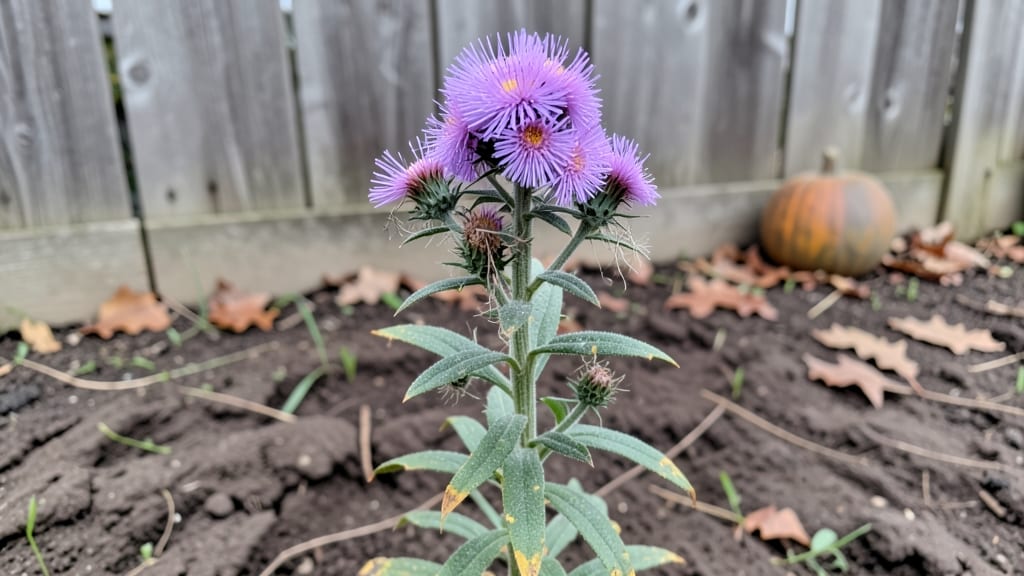
Gardening in fall is your secret weapon for a bountiful winter harvest and a landscape that stays vibrant even when the air turns crisp.
Fall gardening isn’t just about cleanup—it’s your chance to plant hardy crops like kale and spinach, protect perennials, and create a stunning winter landscape that thrives when spring arrives. 🥬
In USDA Zone 6a, the window from late August to early October is perfect for sowing seeds that mature just before frost. The key is timing: plant too early, and you’ll miss the harvest; too late, and the cold will slow growth.
Here’s how to make the most of your fall garden—from soil prep to frost-proofing—so you can enjoy fresh greens and blooms long after summer fades.
Best fall vegetables and flowers to plant for winter harvests
Fall is the perfect time to plant cold-hardy vegetables and ornamental flowers that thrive in cooler temperatures. These plants not only survive winter but often produce sweeter harvests after a frost. Whether you're growing leafy greens or colorful blooms, fall planting extends your garden's productivity well into winter.
My favorite fall vegetables include kale, spinach, and carrots, which all tolerate light frosts and even improve in flavor. For flowers, pansies and ornamental kale add vibrant color to winter landscapes while requiring minimal care.
The key is timing—plant these 4-6 weeks before your first frost for the best results.
Below is a curated list of top cold-hardy plants perfect for fall planting, along with their care requirements and ideal planting windows. These selections ensure a productive garden even when temperatures drop.
🌱
When planting fall vegetables, focus on well-draining soil and consistent moisture. Most of these crops prefer cool temperatures between 45-65°F, making them ideal for late-season harvests. For example, kale and spinach actually sweeten up after a light frost, so don’t rush to harvest them too early!
For ornamental flowers like pansies, choose a location with morning sun and afternoon shade to prevent wilting.
These flowers bloom beautifully in winter, adding color to gray days. Ornamental kale, with its stunning purple and white foliage, is another standout—it thrives in cooler weather and even looks better after frost!
To maximize your fall harvests, I recommend mulching around plants with straw or leaves to insulate roots from temperature swings. This simple step helps protect tender crops from sudden freezes while keeping soil moisture levels steady. Plus, mulch suppresses weeds, giving your plants less competition for nutrients.
If you're new to fall gard
How to prepare your soil and protect plants before winter
As the leaves change color and temperatures drop, your garden still needs your attention to thrive next season. Preparing your soil in fall ensures nutrient-rich ground for spring planting, while protecting tender plants from harsh winter conditions keeps them alive for another growing cycle.
Start by assessing your garden’s needs—healthy soil and safeguarded plants are the foundation of a resilient landscape.
First, focus on soil enrichment to replenish nutrients lost during the growing season. Fall is the perfect time to add compost or well-rotted manure, which breaks down over winter and feeds the soil.
This also improves drainage and water retention, critical for root health. A simple soil test can guide you on what amendments your garden needs most.
Watch Out for Over-Mulching Risks
Applying too much mulch in fall can suffocate plant roots and trap excess moisture, leading to rot or fungal diseases. Aim for a 2-3 inch layer around plants, keeping it 6 inches away from stems to prevent moisture buildup. Organic mulches like straw or shredded leaves break down naturally, while inorganic options like gravel stay in place longer.
Next, choose the right winter mulch for your climate. In colder regions, use straw or leaves to insulate roots, while warmer areas benefit from pine straw or wood chips.
Mulch also suppresses weeds and regulates soil temperature, creating a stable environment for dormant plants. Just remember to remove old mulch in spring to avoid smothering new growth.
For tender perennials and young plants, frost cloths or row covers are essential. These lightweight fabrics trap heat and protect against light frosts, extending the growing season. Secure covers with bricks or stakes to prevent wind damage, and remove them during the day to allow airflow.
For added protection, use cold frames or mini greenhouses, which create microclimates perfect for overwintering delicate greens like lettuce or spinach.
Don’t forget to prune dead or diseased foliage to prevent pests and diseases from overwintering in your garden. Cut back perennials like coneflowers or black-eyed Susans to encourage new growth in spring, but leave seed heads for winter interest and wildlife.
A clean garden reduces stress on plants and keeps your space looking tidy until spring.
Finally, mark your planting beds and irrigation lines with stakes or flags to avoid disturbing roots during snow removal or early spring cleanup. This small step saves time and prevents accidental damage when you’re ready to plant again.
With these steps, your garden will wake up stronger and more vibrant in spring.