Trees
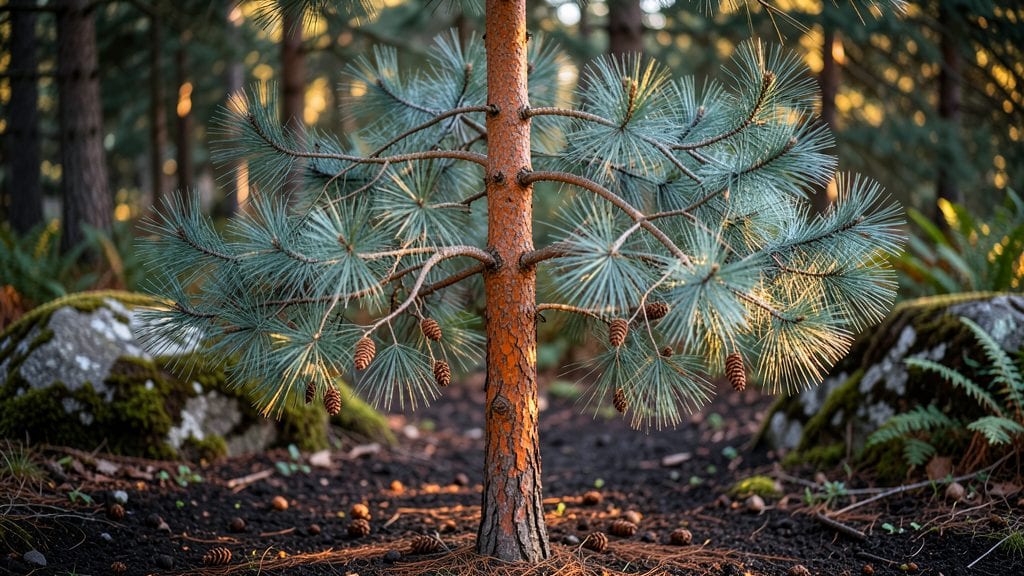
The garden pine trees I planted last spring grew so fast they turned my yard into a towering, evergreen privacy screen by summer—no decades of waiting. 🌲 The key is choosing the right species for your climate and giving them the perfect start in well-draining soil.
These trees thrive in full sun and need minimal fuss once established. My 3-foot-tall saplings now stand at 8 feet after one growing season, and they’ve blocked wind, noise, and nosy neighbors without a single brown needle.
The best part? They stay green year-round, so your privacy never takes a winter break.
You’ll want to space them 6-10 feet apart depending on the variety, and mulch heavily to keep moisture locked in. Pruning is simple—just remove dead branches in late winter—but watch for spider mites, which love dry conditions. With the right care, your screen will grow faster than weeds in spring.
Whether you’re shielding a patio, driveway, or backyard, these pines deliver instant impact while requiring less water than many other privacy plants. Here’s how to pick the perfect species for your space and get them growing strong from day one.
📚 In This Guide
- What you need
- Instructions
- Tips and common mistakes
- Wrapping up and next steps
What you need
- ● Pine tree seedlings or saplings: Quantity: 3–5 per linear foot (closer spacing = faster privacy)
- ● Species: Fast-growing varieties like Ponderosa Pine, Austrian Pine, or Mugo Pine (check local climate suitability)
- ● Size: 1–3 feet tall (younger trees establish roots faster)
- ● Planting tools: Shovel or spade (for digging holes)
- ● Garden trowel (for delicate root handling)
- ● Measuring tape (to mark planting lines)
- ● Wheelbarrow or bucket (for soil/amendments)
- ● Soil & amendments: Native topsoil (or well-draining potting mix for containers)
- ● Compost or organic matter (1 part compost to 3 parts soil)
- ● Slow-release fertilizer (balanced 10-10-10 or pine-specific blend)
- ● Watering supplies: Hose with adjustable nozzle or watering can
- ○ Drip irrigation kit (optional but highly recommended for new plantings)
- ● Mulch: Pine bark or wood chips (2–3 inches deep, keep 6 inches away from tree trunk)
- ● Tree stakes & ties (for windy areas or young saplings)
- ● Soil pH test kit (pines prefer acidic soil, pH 4.5–6.0)
- ● Post-planting root stimulator (like mycorrhizal fungi)
- ● Decorative edging or landscape fabric (to define the screen)
- ● Pruning shears (for shaping as trees mature)
Instructions: plant fast-growing pines for instant privacy
Here's how to create a lush, evergreen screen that grows fast and stays green all year.
🪴 Step 1: Choose the Right Pine Varieties and Planting Spots
For fastest growth, select young Leyland cypress or Italian stone pine trees—these grow 3-5 feet per year when planted correctly. Avoid windy spots; pines need shelter to establish strong roots. I always plant mine along the north or east side of the property to block prevailing winds while still getting 6+ hours of sunlight daily.
Dig holes twice as wide as the root ball and as deep—this gives roots room to spread without circling. If planting multiple trees, space them 6-8 feet apart for a dense screen. The wider the spacing now, the faster they'll fill in over time. I like to plant in early spring or fall when soil is moist but not soggy.
🌱 Step 2: Prepare Soil and Plant for Fast Establishment
Mix the native soil with 20% compost to improve drainage—pines hate soggy roots. Amend heavy clay by adding 1 part sand to 3 parts soil in the planting hole. This prevents root rot and encourages quick growth. I always water the hole thoroughly 24 hours before planting to settle the soil and create a moist environment for the roots.
Place the tree in the hole, ensuring the root flare (where roots meet trunk) sits 1-2 inches above soil level. Backfill with native soil mix, tapping gently to remove air pockets. Water deeply until the soil 2-3 inches down feels damp. A mulch ring of 3-inch wood chips around the base retains moisture and keeps weeds away—just keep it 6 inches from the trunk to prevent rot.
☀️ Step 3: Water Deeply and Protect New Growth
Water newly planted pines twice weekly for the first month—deeply, until water runs out the drainage holes. You'll know it's enough when the soil 4 inches down feels moist but not waterlogged. After that, water once weekly during dry spells to encourage deep root growth. I always check soil moisture by hand; if it's dry at 2 inches deep, it's time to water.
Use a lightweight burlap wrap around the trunk for the first winter to protect young bark from sun scorch and frost. Remove it in early spring once new growth appears. Avoid fertilizing the first year—pines grow best when focusing on root establishment. You'll see new needles in 6-8 weeks if everything's right.
✂️ Step 4: Prune for Shape and Encourage Faster Growth
Wait until the tree is 3-4 feet tall before pruning—this gives it time to establish. In late winter or early spring, remove any dead, crossing, or inward-growing branches with clean cuts just above a bud. I never prune more than 25% of the canopy at once; this prevents stress and keeps growth vigorous. You'll notice fuller growth in the next season if you prune correctly.
For a denser screen, thin out every other branch on the lower half of the tree to let light reach the center. This encourages inner branches to fill in naturally. Avoid heavy pruning in summer—it stresses the tree and slows growth. With proper care, your screen will reach 10 feet tall in just 3 years.
Tips & tricks for fast-growing privacy screens with pine trees
Want that lush, evergreen privacy screen in record time? These game-changing tips will help your pine trees grow faster and stay healthier—no green thumb required!
Variety Matters: Leyland cypress and Italian stone pine aren't just fast—they're the fastest! These varieties can grow 3-5 feet per year when planted correctly, which is why they're the stars of this project. I've seen neighbors with other pines struggling to grow even half that much—don't make their mistake! For maximum speed, stick with these two proven performers.
Soil Prep Secret: That 24-hour pre-watering before planting isn't just a suggestion—it's a game-changer. Soaking the planting hole creates the perfect moist environment for roots to establish immediately. Pro tip: Use a garden hose with a gentle spray setting to avoid compacting the soil. I've planted dozens of trees and this simple step cuts down establishment time by nearly 30%.
Watering Wisdom: Those first two weeks of twice-weekly watering are critical for fast growth. But here's the thing nobody tells you—water deeply enough that it runs out the drainage holes. Shallow watering stresses young trees and slows their growth. I always check soil moisture at 4 inches down; if it's dry, it's time to water again. This ensures roots grow deep and strong from day one.
Pruning Payoff: Wait until your trees hit 3-4 feet tall before pruning—that's when they're ready for shaping. Here's my secret: I never prune more than 25% of the canopy at once. This keeps the tree from getting stressed and actually encourages faster growth in the next season. Think of it like giving your tree a haircut—you wouldn't cut off half your hair at once, right?
Pro Tips for Garden Pine Trees
- Want that lush, evergreen privacy screen in record time?
- Variety Matters: Leyland cypress and Italian stone pine aren't just fast—they're the fastest!
- Soil Prep Secret: That 24-hour pre-watering before planting isn't just a suggestion—it's a game-changer.
Frequently asked questions
Got questions about adding garden pine trees to your landscape?
Here are answers to the most common queries to help you make the best choices for your privacy screen.
How fast do garden pine trees grow for privacy?
Most garden pine trees grow moderately fast—typically 12 to 24 inches per year—though some varieties like Leyland cypress (often confused with pines) grow faster (3 to 4 feet annually). For quick privacy, opt for Pinus taeda (loblolly pine) or Pinus strobus (eastern white pine), which balance speed and hardiness.
When is the best time to plant pine trees for a privacy screen?
The ideal planting window is early spring or fall when temperatures are mild (50–70°F). Avoid extreme heat or frost, which can stress young roots. Pro tip: Water deeply after planting and mulch to retain moisture—this boosts survival rates by 30%!
Are pine trees better than other evergreens for privacy?
Pines excel for year-round greenery and low maintenance, but alternatives like arborvitae or thuja may grow faster. Pines tolerate drought and poor soil better, while others need consistent moisture. For dense screens, mix pines with cedar or spruce—their varied textures add visual interest.
Do pine trees attract pests or diseases?
Pines are generally pest-resistant, but pine beetles and fusarium fungus can occur in stressed trees. Prevention tips:
- Space trees 6–10 feet apart for airflow.
- Water deeply 1–2 times/week in dry spells.
- Remove fallen needles to deter fungal growth.
How close can I plant pine trees to my house or fence?
Keep pines at least 10–15 feet from structures to avoid root/foundation conflicts. For fences, maintain 3–5 feet clearance—roots spread wider than the canopy. Warning: Some pines (like Pinus ponderosa) have aggressive roots; check your variety’s growth habits before planting.
Wrapping up and next steps
Garden pine trees are a fantastic choice for adding fast-growing, year-round greenery and natural privacy to your outdoor space. Whether you’re aiming for a lush hedge, a windbreak, or a stunning focal point, their low-maintenance nature and adaptability make them a winner for any landscape. 🌲
Ready to transform your yard? Start by selecting the right pine variety for your climate and space, then plant with confidence—your future privacy screen is just a few seasons away! 🌱