Companion Plants
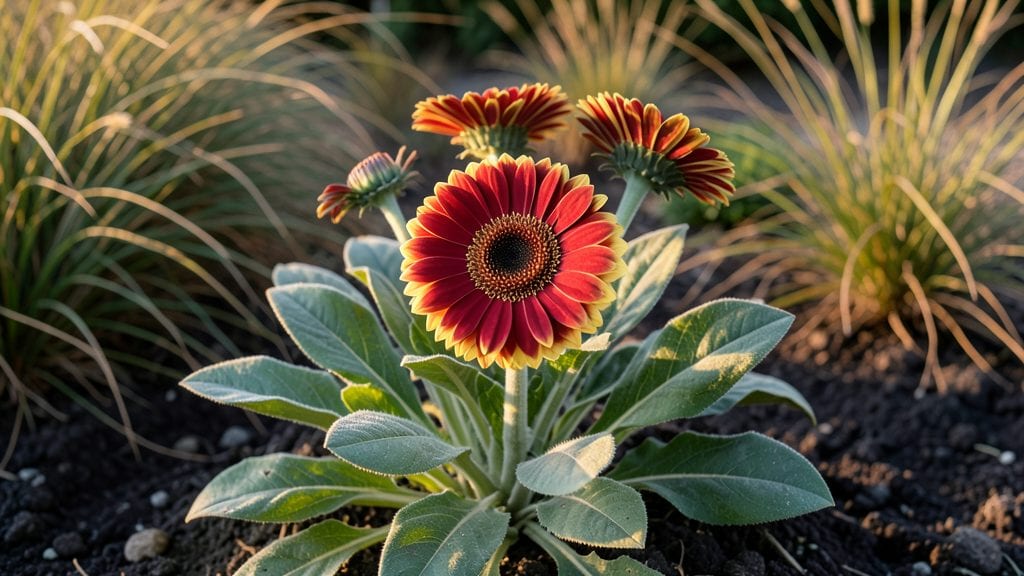
The gerbera garden plants you choose will transform your yard into a vibrant, buzzing paradise. 🌻 Their bold colors—from fiery oranges to deep purples—don’t just stop at beauty; they lure bees, butterflies, and hummingbirds like a magnet.
I’ve used them to transform dull borders into buzzing, vibrant displays that last from spring through frost.
The key to their success is full sun and well-draining soil—no fancy tricks, just consistent moisture. Pair them with lavender for height contrast or salvia for a purple-and-pink combo that pops.
In containers, they thrive in 12-inch pots with a mix of compost and perlite, making them perfect for patios or small spaces.
You’ll love how they brighten up shady spots when planted near lighter perennials, or how their cheerful blooms hide winter’s leftover brown stems. Just pinch back leggy stems in early summer, and they’ll reward you with nonstop color until the first frost.
Works in cottage gardens, modern borders, or even as cut flowers that last days in a vase. Here’s how to make them the star of your design without the fuss.
📚 In This Guide
- What you need
- Instructions
- Tips and common mistakes
- Wrapping up and next steps
What you need
- ● Gerbera daisy plants: 10–20 young plants (potted or bare-root), depending on garden size
- ● Choose Gerbera jamesonii (most common) or other varieties like Gerbera viridifolia for unique colors
- ● Well-draining soil: 50 lbs of garden loam or potting mix (blend with compost for fertility)
- ○ Optional: Perlite or sand (10–20%) to improve drainage
- ● Sunlight: Full sun (6+ hours daily) or partial shade (4–6 hours) in hot climates
- ● Watering supplies: Garden hose with soaker hose attachment or watering can
- ● Fertilizer: Balanced 10-10-10 NPK fertilizer (2–3 tbsp per plant, applied every 4–6 weeks)
- ● Basic tools: Trowel or hand shovel
- ● Gloves (to protect hands from thorns)
- ● Pruning shears (for deadheading)
- ● Mulch: 2–3 inches of pine bark or straw mulch to retain moisture and suppress weeds
- ● Pollinator-friendly companions: Marigolds, cosmos, or lavender to attract bees and butterflies
- ● Stakes or cages: For taller varieties (e.g., Gerbera 'Double Mix') to prevent flopping
- ● Slow-release granules: Osmocote (1 cup per plant) for low-maintenance nutrition
- ● Rain gauge: To monitor watering needs (gerberas hate soggy roots!)
Step-by-step instructions for planting gerbera daisies
Here's how to create a stunning gerbera display that keeps blooming all season long.
🌱 Step 1: Choose the Perfect Planting Location
Gerberas thrive in full sun—at least 6-8 hours daily. I pick a spot where they get morning sun and afternoon shade if your climate runs hot, especially in summer. The soil should drain well, so avoid low spots where water pools after rain.
Before planting, I spread a 2-inch layer of compost over the area to enrich the soil. Gerberas hate soggy roots, so if your soil is heavy clay, mix in some sand or grit to improve drainage. You'll see the difference in how quickly the plants establish themselves.
🪴 Step 2: Dig Holes and Prepare the Plants
Dig holes twice as wide as the gerbera root balls but only as deep as the container they came in. Planting too deep suffocates the roots, while shallow planting exposes them to drying out. Gently remove each plant from its container, loosening any tangled roots with your fingers.
Space gerberas 12-18 inches apart for a full, lush look. If you're planting in a border, I like to stagger them in a slight zigzag pattern—this creates a more natural, flowing appearance. Place each plant in its hole, then fill around the roots with soil, pressing lightly to eliminate air pockets.
💧 Step 3: Water Thoroughly After Planting
Give each newly planted gerbera a deep watering right away—enough to settle the soil and remove any air gaps. Water slowly at the base, avoiding the leaves to prevent fungal issues. You'll know it's enough when water begins to pool on the surface and then drains away after a few minutes.
After the initial watering, keep the soil consistently moist but not soggy for the first 2 weeks. Gerberas establish roots quickly, but they need steady moisture to get started. I use a soaker hose for this part—it waters deeply without disturbing the soil or wetting the foliage.
☀️ Step 4: Mulch and Maintain for Continuous Blooms
Spread a 2-inch layer of mulch around each plant, keeping it 2 inches away from the stems to prevent rot. I use shredded bark or straw because they break down slowly and improve soil structure over time. Mulch helps retain moisture and keeps roots cool during hot spells.
Deadhead spent blooms regularly to encourage more flowers. Pinch off the faded flower heads with clean fingers or small pruners—this redirects energy from seed production back into new buds. You'll notice a surge in fresh blooms within 3-5 days of consistent deadheading.
✂️ Step 5: Fertilize and Protect for Long-Term Health
Feed gerberas every 4-6 weeks during the growing season with a balanced, water-soluble fertilizer. I use a 10-10-10 mix diluted to half-strength to avoid burning the roots. Apply it after watering to help prevent salt buildup in the soil.
Watch for pests like aphids or slugs, which love gerbera leaves. I spray plants with neem oil weekly as a preventive measure—it's gentle on the plants but deters pests effectively. If you notice yellowing leaves, it might be a sign of overwatering or nutrient deficiency, so adjust your care routine accordingly.
Tips & tricks for perfect gerbera daisy planting
Here's what I've learned from years of growing vibrant gerbera displays that bloom nonstop.
The Sunlight Secret: That 6-8 hours of daily sun is non-negotiable for gerberas, but here's the thing: morning sun (especially in hot climates) is more important than afternoon sun. I've found that plants get stressed in intense afternoon heat, so if you must choose, prioritize morning sunlight. For containers, rotate them every few days so all sides get equal light exposure.
Root Ball Rescue: When loosening tangled roots in Step 2, don't be afraid to get your hands dirty—literally! Gently tease apart any circling roots you find. I've seen gerberas struggle to thrive when roots remain compacted from their nursery pots. This simple step makes all the difference in how quickly they establish themselves.
Watering Wisdom: That first 2-week watering window is critical, but here's my pro tip: water in the early morning rather than evening. This gives foliage plenty of time to dry before nightfall, reducing fungal risks. I also like to water at the base using a soaker hose—it delivers moisture where it's needed without wetting the leaves, which helps prevent those pesky fungal issues.
Deadheading Payoff: The 3-5 day bloom surge after deadheading is real, but timing matters. I've learned to deadhead right after the petals fully open but before they start wilting. This redirecting of energy works best when you're consistent—even if you just remove one or two blooms per plant weekly, you'll see more flowers appear than you expect.
Pro Tips for Gerbera Garden Plants
- Here's what I've learned from years of growing vibrant gerbera displays that bloom nonstop.
- The Sunlight Secret: That 6-8 hours of daily sun is non-negotiable for gerberas, but here's the thing: morning sun (e...
- Root Ball Rescue: When loosening tangled roots in Step 2, don't be afraid to get your hands dirty—literally! Gently t...
Frequently asked questions
Got questions about growing gerbera daisies? You’re not alone! Here are some of the most common concerns—and their easy solutions—to help your garden bloom beautifully.
How often should I water gerbera daisies?
Water gerberas deeply but infrequently—about once a week, depending on your climate. Let the top inch of soil dry out between waterings to prevent root rot. Mulch around the base to retain moisture and keep roots cool. Pro tip: Water in the morning to reduce fungal risks!
When is the best time to plant gerbera daisies?
Plant gerberas in spring or early fall when soil temperatures are mild (60–75°F). Avoid extreme heat or frost, as they’re tender perennials in most climates. If starting from seeds, begin indoors 8–10 weeks before the last frost for a head start.
Are gerbera daisies good for attracting pollinators?
Gerberas are pollinator magnets, drawing bees, butterflies, and hummingbirds with their bright blooms. Plant them near herbs like lavender or basil to create a buzzing garden ecosystem. Just avoid pesticides—they’re toxic to these helpful visitors.
What can I do if my gerbera daisies aren’t blooming?
Lack of blooms often means too much shade, over-fertilizing with nitrogen, or inconsistent watering. Move plants to full sun (6+ hours/day), use a balanced low-nitrogen fertilizer, and deadhead spent blooms to encourage new flowers. Patience helps—gerberas thrive with consistent care!
Can gerbera daisies survive winter in cold climates?
Gerberas are tender perennials and rarely survive below 20°F. In cold zones, grow them as annuals or dig up tubers in fall, store them in dry peat moss, and replant in spring. For containers, move pots indoors before frost hits. A cozy greenhouse can also extend their season!
Wrapping up and next steps
Gerbera daisies are the perfect pollinator powerhouses—bursting with color, easy to grow, and packed with benefits for your garden. Whether you’re a beginner or a seasoned gardener, these cheerful blooms bring joy, support local ecosystems, and keep your outdoor space lively year-round. 🌼
Ready to transform your garden? Start small—plant a few gerberas in a sunny spot, experiment with companion plants, and watch your space thrive. Your vibrant, bee-friendly oasis awaits!
- Next step: Pick your favorite gerbera varieties and get planting! 🌱