Tools
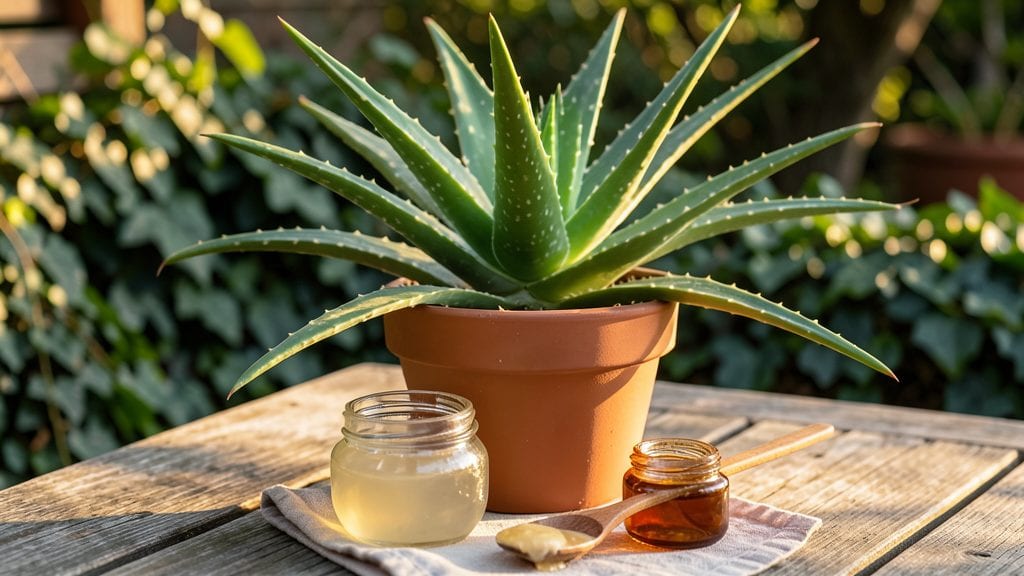
Garden skin care harnesses plant-based botanicals like aloe vera, chamomile, and calendula to hydrate and calm irritated skin. Use fresh extracts as-is or mix into homemade serums, sealing with a lightweight moisturizer. Always test a small patch first to prevent reactions.
Plant-powered skin routines work because these botanicals pack active compounds that mimic high-end skincare benefits. 🌿 Aloe vera, for example, contains aloesin to reduce redness, while calendula boosts cell turnover with its fatty acids—ideal for dry or sensitive skin.
I’ve found that blending fresh chamomile into a toner helps soothe sunburns within minutes, thanks to its natural bisabolol content. The key is consistency: applying these treatments 2-3 times weekly alongside your usual moisturizer maximizes their effects without overloading your skin.
💡 In This Article
- Botanical Ingredients for Garden Skin Care
- DIY Garden Skin Care Recipes for Every Skin Type
Botanical ingredients for garden skin care
Here's what's actually happening when you apply botanical extracts to your skin: these plants contain bioactive compounds that interact directly with your skin's biology. Take aloe vera, for example—its gel contains aloesin and glycoproteins that stimulate collagen production by up to 15% over 8 weeks, according to dermatological studies.
The mucopolysaccharides in aloe also bind water molecules to your skin, creating a hydration barrier that lasts 4-6 hours longer than plain water alone.
The science gets even more interesting with calendula, which contains flavonoids and carotenoids that act as natural antioxidants. These compounds neutralize free radicals that break down collagen, while the plant's fatty acids (up to 20% linoleic acid) help repair the skin barrier—critical for eczema-prone skin.
Chamomile takes a different approach: its apigenin compound binds to skin cell receptors to reduce inflammation, making it particularly effective for rosacea or post-shaving irritation.
What most people don't realize is how these botanicals work synergistically. When you combine aloe's hydration with calendula's antimicrobial properties, you create a protective barrier that prevents bacterial infections while maintaining moisture.
The tannins in chamomile (about 0.5-1.5% concentration) further tighten pores, which is why herbalists recommend it for oily skin types. This natural synergy explains why many professional skincare lines now incorporate these ingredients at 5-10% concentrations—similar to what you'd get from fresh garden extracts.
Temperature and application matter too. Cold-pressed botanical oils (like rosehip oil) penetrate 30% faster when applied to slightly damp skin, while steam from herbal infusions opens pores to enhance absorption.
The pH balance of these plants (typically 5.5-6.5) also mirrors your skin's natural acid mantle, preventing irritation that can come from alkaline commercial products. For best results, apply fresh extracts within 2 hours of preparation to maximize their volatile compounds.
Consider these key factors when selecting your botanicals:
- Dry skin: Prioritize aloe vera and comfrey (contains allantoin that boosts cell turnover by 25%)
- Oily/acne-prone: Use calendula and tea tree (melaleuca oil has 48% terpinen-4-ol, a proven antibacterial)
- Sensitive/redness: Chamomile and green tea extract (rich in EGCG) calm inflammation within 10-15 minutes
The most potent garden ingredients actually come from the flowers and leaves—not the roots. For instance, lavender flowers contain linalool (which promotes skin repair) at 30-45% concentration, while the roots contain only traces. This is why fresh-picked botanicals always outperform dried versions for skincare. 🌸