
Pests
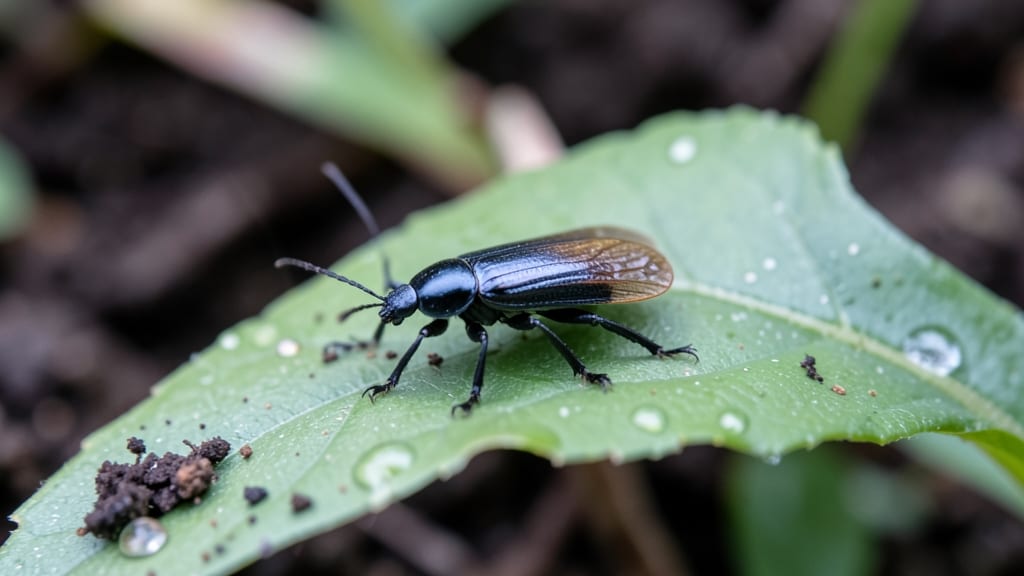
My garden slug control breakthrough came after losing an entire tray of seedlings to those slimy invaders. 🌱 The right barriers—copper tape, crushed eggshells, and diatomaceous earth—finally gave me the edge without chemicals.
These methods work because slugs hate the feel of copper and the sharp edges of crushed shells, while diatomaceous earth dehydrates them.
You don’t need fancy tools—just a few household items and a little strategy. Copper tape wraps around pots, beer traps lure them away, and handpicking at dawn (when they’re most active) keeps populations in check.
The best part? These solutions protect beneficial insects too, unlike chemical slug baits that harm your garden’s balance.
By next spring, your plants will stay intact, with fewer slimy trails marring your leaves. The key is consistency—check barriers weekly and replace mulch that’s broken down. Slugs won’t stand a chance when your defenses are in place.
Works for vegetable gardens, flower beds, and even container plants. Here’s how to set up your first line of defense—permanently.
The Hidden Triggers Behind Slug Surges
Slugs don’t just appear out of nowhere—they’re drawn to your garden by a mix of environmental factors, food availability, and even human habits. Understanding these triggers is the first step to outsmarting them. Let’s break down the science behind why these slimy invaders show up in force.
🌧️ Moisture Overload: Their Perfect Humidity Haven
Slugs thrive in damp conditions because their bodies lack a protective shell, making them prone to dehydration. Here’s why excess moisture becomes their playground:
- Rainfall & Dew: After heavy rain or overnight dew, soil stays saturated, creating ideal slug highways. A single inch of rain can trigger a slug feeding frenzy within 24 hours.
- Poor Drainage: Gardens with compacted soil or low-lying areas trap moisture, turning them into slug breeding grounds. Test your soil: Dig a 6-inch hole—if water pools after 30 minutes, drainage is the issue.
- Irrigation Mistakes: Overwatering (especially at night) keeps surfaces damp longer. Slugs prefer consistently moist environments, so early-morning watering is less inviting.
- 💡 Pro Tip: Use a moisture meter to monitor soil dampness. Aim for consistently moist but not soggy conditions—slugs hate the struggle to move in dry patches.
🍃 Feast or Famine: Why Your Garden is a Buffet
Slugs are opportunistic eaters, and certain plants or gardening practices send them into overdrive:
- Tempting Treats: Soft, leafy greens (like lettuce, hostas, and marigolds) are slug magnets. Their high moisture content and lack of tough fibers make them easy meals.
- Decaying Matter: Piles of compost, fallen fruit, or rotting mulch create hidden slug hotels. A single apple core left overnight can attract dozens.
- 📊 Plant Pairing Pitfalls: Some plants (like Stachys byzantina, or lamb’s ear) repel slugs naturally, while others (like Calendula) attract them. Actionable fix: Interplant slug-repellent herbs (e.g., thyme, rosemary) between vulnerable crops.
🌙 Nighttime Nuisances: When Slugs Strike
Slugs are nocturnal for good reason—they avoid predators (like birds and frogs) and heat during the day. Their behavior is tied to:
- Temperature Tolerance: They become active when nighttime temps stay above 50°F (10°C). Warmer springs and falls extend their feeding season.
- Lunar Cycles: Full moons increase slug activity by 30–50% due to brighter nights (more time to forage). Why? They rely on scent trails, and moonlight helps them navigate.
- 🌙 Light Pollution: Artificial lights (like porch lights) disorient predators, giving slugs a safer night. Solution: Use motion-sensor lights or shield existing ones with yellow bulbs (slugs dislike this wavelength).
🏡 Human Habits That Invite Slugs
Even well-meaning gardening practices can backfire:
- Over-Mulching: Thick mulch layers (over 3 inches) create humid microclimates where slugs hide and lay eggs. Fix: Use coarse mulch (like pine straw) to allow airflow.
- Ignoring Slug Eggs: A single slug can lay 40–50 eggs in damp soil. Eggs hatch in 2–3 weeks, turning a small infestation into an army.
- 🚫 Chemical Overuse: Pesticides kill natural predators (like ground beetles and toads), leaving slugs unchecked. Better approach: Encourage beneficial insects with native plants.
🌍 Climate & Seasonal Shifts
Slug populations explode when conditions align:
- Mild Winters: In regions with fewer than 20 frost days/year, slugs survive winter to multiply faster in spring.
- Urban Heat Islands: Cities with higher humidity and cooler nights (due to concrete and lack of wind) create slug paradises.
- 🌡️ Global Warming: Warmer winters in temperate zones mean slugs now thrive in areas where they once froze out.
Key Takeaway: Slugs don’t act randomly—they’re responding to your garden’s conditions. By addressing moisture, food sources, and habitat, you can make your space less appealing (and more of a predator magnet) for these slimy pests. Next up: Barrier Solutions That Actually Work.
Natural Ways to Stop Slugs Dead
Slugs may seem like tiny, harmless nuisances, but they can wreak havoc on your garden in no time—munching through leaves, flowers, and tender seedlings. The good news? You don’t need harsh chemicals to keep them at bay.
Below, we’ve mapped out the best cause-based solutions to tackle slugs naturally, along with prevention tips to keep your garden slug-free for good.
🌱 Too Much Moisture? Dry Them Out
Slugs thrive in damp, shady conditions. If your garden stays soggy after rain or watering, they’ll move in like uninvited guests. Here’s how to combat it:
- 🔥 Improve Drainage: Raise garden beds slightly or add organic mulch (like straw or wood chips) to absorb excess moisture while keeping soil aerated.
- 🌡️ Water in the Morning: Watering early allows soil to dry out during the day, making it less appealing to slugs. Avoid evening watering, which keeps the ground damp overnight.
- ☀️ Create Sunny Zones: Slugs avoid bright, dry areas. Plant sun-loving perennials or install solar-powered slug lights to deter them naturally.
💡 Pro Tip: If your garden is naturally wet (like a low-lying area), consider adding a gravel trench around vulnerable plants—slugs won’t cross dry, coarse surfaces.
🍃 Overcrowded Garden? Space Them Out
Slugs are drawn to dense, leafy plants where they can hide and feed. If your garden is packed with lush foliage, they’ll see it as an all-you-can-eat buffet.
- 🌿 Prune Regularly: Keep plants trimmed and spaced apart to reduce hiding spots. Slugs love thick mulch—opt for thin layers of organic matter instead.
- 🌻 Choose Slug-Resistant Plants: Opt for plants with hairy leaves, thick textures, or strong scents, like lavender, rosemary, or snapdragons. Avoid tender basil, lettuce, or hostas.
- 🌙 Use Row Covers: Lightweight fabric covers (like floating row covers) create a physical barrier while still allowing sunlight and water through.
✨ Bonus: Interplant slug-repelling herbs (like thyme, mint, or chives) among your vegetables—their scent confuses slugs and keeps them away.
🌙 Nighttime Raids? Set Traps & Barriers
Slugs are nocturnal, so they’ll sneak out after dark to feast. Catch them in the act with these low-effort traps and barriers:
- 🍺 Beer Traps (Yes, Really!):
- Place shallow dishes filled with beer or yeasty liquid near problem areas.
- Slugs are drawn to the scent and drown—no mess, no chemicals!
- 🧱 Copper Barriers: Slugs hate copper because it gives them a mild electric shock. Bend copper tape or wire around pots and garden edges to create a natural repellent.
- 🥛 Diatomaceous Earth (DE): Sprinkle food-grade DE around plants—it’s a fine powder that dehydrates slugs without harming plants or pets (just reapply after rain).
🔥 Hot Tip: For a zero-waste trap, use crushed eggshells around plants. The sharp edges deter slugs, and they break down naturally.
🐌 Eggs in the Soil? Break Their Lifecycle
Slugs lay hundreds of eggs in moist soil, leading to a never-ending cycle. Stop the problem at the source:
- 🔪 Handpick Eggs: After rain, check under pots, mulch, and dense plants for small, translucent egg clusters. Crush them with a board or dispose of them in soapy water.
- 🌡️ Dry Out Nesting Spots: Slug eggs need moisture to hatch. Reduce irrigation in problem areas and use gravel or sharp sand as a barrier in flower beds.
- 🐛 Introduce Predators: Encourage natural slug hunters like ground beetles, frogs, and birds by adding a small water feature or leaving leaf litter in shady spots.
🎯 Prevention Hack: In late summer or early fall, spread a thin layer of coarse sand around seedlings—it disrupts egg-laying and deters adults.
🌿 Long-Term Fixes: Build a Slug-Proof Garden
Combine a few of these strategies for a slug-resistant garden that requires minimal upkeep:
| Problem | Solution | Prevention Tip |
|---|---|---|
| Shady, damp areas | Install solar-powered slug lights or add gravel pathways | Plant sun-loving perennials like sedum or echinacea |
| Tender young plants | Use egg carton collars (bury upside-down egg cartons around stems) | Start seeds indoors and transplant only when plants are 2-3 inches tall |
| Overwatered soil | Switch to drip irrigation on a timer | Mulch with pine needles (they repel slugs and retain moisture) |
Slug control doesn’t have to be a battle—with the right mix of barriers, traps, and smart gardening, you can enjoy a thriving garden without the slimy invaders. Start with one or two methods, observe what works best in your space, and adjust as needed!
Frequently asked questions
Why do slugs suddenly appear in my garden?
Slugs often show up when your garden becomes their perfect playground—moisture, shade, and soft plants create an irresistible buffet. Check for overwatering, poor drainage, or thick mulch layers that trap humidity. Even small changes like watering in the morning or adding gravel pathways can make your garden less appealing.
Will beer traps actually work for slug control?
Beer traps are one of the most effective DIY solutions. Slugs are drawn to the yeast scent and drown in the beer. Use shallow dishes filled with non-alcoholic beer (or plain beer) placed near problem areas. Empty and refill them every few days for best results.
How often should I apply diatomaceous earth for slug control?
Apply food-grade diatomaceous earth around plants every 7-10 days, especially after rain. It dehydrates slugs by damaging their soft bodies, but it needs to stay dry to work. Reapply after watering or heavy dew. Always wear a mask when handling it—it’s safe for plants but irritating to lungs.
Are copper barriers safe for all garden plants?
Copper barriers are completely safe for plants—they only affect slugs by giving them a mild electric shock. Wrap copper tape around pots, raised beds, or garden edges. Avoid sharp edges that could damage plant stems. This method works year-round and doesn’t require reapplication.
What’s the best time of day to handpick slugs?
Dawn or dusk is your best bet—slugs are most active during these cooler hours. Wear gloves and place them in a bucket of soapy water to kill them humanely. Check under pots, mulch, and dense foliage where they hide during the day. Consistency is key—do this 2-3 times per week during infestations.