
Pests
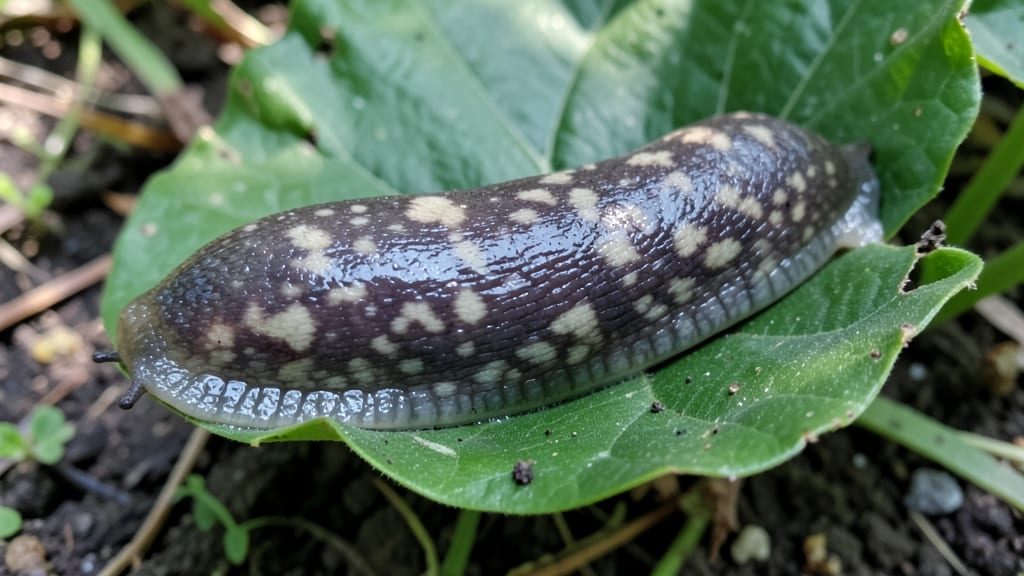
Giant garden slugs can turn your thriving garden into a slimy snack bar overnight. 🌿 I’ve lost count of how many seedlings they’ve devoured, but I’ve also learned which barriers actually keep them away—no more sticky traps or ineffective copper tape.
The key is combining physical barriers with habitat disruption, and it works.
These slugs love moist, shady spots where they can hide during the day. My go-to defense? A 6-inch-wide band of sharp gravel around beds, which they simply won’t cross.
Pair that with diatomaceous earth (food-grade only) in a thin layer near plants—they dry out and move on. No chemicals, no guesswork, just results.
Within a week, you’ll notice fewer slime trails at dawn, and your young plants will stop looking like Swiss cheese. The best part? These methods protect tomatoes, lettuce, and hostas—their favorite meals—without harming worms or bees. Slugs hate texture, so rough surfaces are your secret weapon.
Works in containers, raised beds, or in-ground gardens—just adjust the barrier height for larger areas. Once you’ve tried this, you’ll never reach for those ineffective slug baits again. Here’s how to set it up right the first time.
Why Slugs Invade Gardens
Giant garden slugs don’t just appear out of nowhere—they’re drawn to your yard for specific reasons, often tied to moisture, food, and shelter. Understanding these triggers is the first step to outsmarting them.
Below, we break down the real culprits behind their unwelcome visits and how they exploit your garden’s weaknesses.
💧 Overly Moist or Damp Soil
Slugs are thirsty travelers, and their bodies require constant hydration to stay active. If your garden soil stays soggy—whether from heavy rainfall, poor drainage, or overwatering—you’re essentially rolling out the welcome mat. Here’s why:
- Breathing through skin: Slugs absorb oxygen through their slimy epidermis, which works best in moist conditions. Dry soil forces them to seek refuge in damp spots—like your prized hostas or mulch piles.
- Egg-laying hotspots: Females prefer to deposit eggs in cool, humid soil (60–70°F). Overly wet areas become their nursery of choice, leading to explosive population growth.
- Shady, compacted zones: Areas with thick mulch, leaf litter, or dense plantings trap moisture and create ideal slug highways. Even a slight depression in the soil can become a slug superhighway.
Actionable fix: Improve drainage with raised beds or sand amendments, and avoid watering late in the day. 💡 Pro tip: Use soaker hoses instead of overhead sprinklers to keep foliage dry.
🍽️ Easy Access to Decadent Feasts
Slugs are opportunistic gourmands, and your garden might be serving up an all-you-can-eat buffet. They target plants with:
| Plant Type | Why They Love It | Slug-Favorite Examples |
|---|---|---|
| Soft-stemmed plants | Minimal chewing effort = easy meals | Lettuce, basil, marigolds, impatiens |
| High-moisture plants | Juicy leaves = hydration + nutrition | Tomatoes, strawberries, hostas, ferns |
| Plants with thick mulch | Mulch hides slugs and retains moisture | Rhododendrons, azaleas, daylilies |
Actionable fix: Remove fallen fruit, weeds, and debris near plants. Opt for physical barriers (like copper tape) around vulnerable crops. ✨ Bonus: Plant slug-deterrent companions like thyme, garlic, or wormwood nearby.
🏡 Lack of Natural Predators
In a balanced ecosystem, slugs face a menu of predators—but urban and suburban gardens often lack these checks and balances. Here’s who’s missing (and why it matters):
- Birds (e.g., thrushes, robins): They gobble slugs whole but avoid gardens with dense ground cover or lack of perches.
- Ground beetles: These nocturnal hunters need loose, dry soil to thrive—compacted or chemical-heavy gardens repel them.
- Frogs and toads: They require shallow, still water sources (like a small pond) and shelter from direct sunlight.
- Parasitic nematodes: These microscopic worms kill slugs but struggle in gardens treated with pesticides.
Actionable fix: Create predator-friendly zones with shallow dishes of water, logs for shelter, and pesticide-free zones. 🌿 Long-term: Encourage biodiversity with native plants and avoid broad-spectrum herbicides.
🌙 Nighttime Foraging Conditions
Slugs are nocturnal nomads, and their activity peaks when:
- Humidity is high: Post-sunset air holds moisture, keeping their slime moist and their movements fluid.
- Temperatures drop: They avoid direct sun (which dries them out) and become active at 50–70°F.
- Moonlight is bright: Studies show slugs are more active on moonlit nights due to translucent skin that lets moonlight penetrate and stimulate movement.
Actionable fix: Set out beer traps or board barriers at dusk to intercept them before they feast. 🔦 Tip: Use motion-activated lights near garden edges to disrupt their nightly routines.
🌧️ Seasonal Slug Surges
Slug populations explode during specific times due to life cycle triggers:
| Season | Why Slugs Proliferate | Peak Activity Period |
|---|---|---|
| Spring | Warm soil + melting snow = ideal egg-hatching conditions | April–May |
| Fall | Cool nights + damp leaves = perfect mating and egg-laying weather | September–October |
| Winter (mild climates) | Dormant but active if soil temps stay above 40°F | December–February |
Actionable fix: Time your organic defenses before these peaks. In fall, focus on removing leaf litter; in spring, prioritize copper tape around young seedlings. 📅 Pro move: Mark your garden calendar for these high-risk windows.
Effective Organic Barriers Against Slugs
Slugs may seem unstoppable, but with the right organic barriers, you can protect your garden without harsh chemicals. The key is understanding why they’re invading and tailoring your defense. Here’s how to tackle the problem—cause by cause—with practical, slug-free solutions.
🌱 Overcrowded or Damp Soil? Create Dry Zones
Slugs thrive in moist, shaded soil, so reduce their real estate by making your garden less inviting.
Fix:
- 🔥 Use Copper Tape or Wire – Slugs hate copper because it gives them a mild electric shock. Wrap a 1-inch strip around pots, raised beds, or vulnerable plants. Pro tip: 💡 Bury the bottom edge slightly to prevent them from crawling underneath.
- 🥘 Build a Crushed Eggshell Barrier – Crush eggshells into sharp fragments and create a ring around plants. Slugs avoid the jagged edges. Refresh every few weeks as rain washes them away.
- ⏰ Elevate Plants with Containers – Move young seedlings into shallow dishes filled with soil. Slugs can’t climb smooth surfaces easily.
Prevention:
- Improve drainage in garden beds with compost or sand mixes to reduce moisture retention.
- Space plants farther apart to limit slug hiding spots in dense foliage.
🌙 Nighttime Rampage? Block Their Path
Slugs are nocturnal foragers, so disrupt their nightly raids with strategic barriers.
Fix:
- 🍳 DIY Beer Traps – Bury a shallow container (like a yogurt cup) filled with beer at soil level. Slugs are attracted to the yeast but drown. Replace every 2–3 days for best results.
- 👨🍳 Wood Ash Ring – Sprinkle wood ash in a 3-inch-wide band around plants. The gritty texture and slight alkalinity deter slugs. Reapply after rain.
- 🌿 Mulch Alternatives – Skip traditional mulch (which traps moisture) and use pine needles, straw, or cocoa bean hulls instead. These create dry zones slugs avoid.
Prevention:
- Install solar-powered slug lights (like LED motion sensors) to startle them away from garden edges.
- Plant slug-repelling companions like thyme, geraniums, or lavender near vulnerable crops.
🍅 Soft Leaves & Stems? Armor Your Plants
Slugs love tender young leaves—make them work harder to get a meal.
Fix:
- 🔪 Coffee Ground Barrier – Sprinkle used coffee grounds (cooled) around plants. The caffeine and coarse texture repel slugs. Bonus: It enriches soil!
- 🥗 Slug-Proof Netting – Drape fine mesh (like floating row covers) over seedlings. Secure edges with rocks or stakes.
- 🎯 Diatomaceous Earth (Food-Grade) – Dust a thin layer around plants. It dehydrates slugs, but avoid overapplying—it can harm beneficial insects too.
Prevention:
- Choose slug-resistant varieties like kale, rosemary, or snapdragons for high-risk areas.
- Handpick slugs at dusk (wear gloves!) and drop them in soapy water—it’s tedious but effective for small gardens.
🌧️ Heavy Rain or Dew? Reduce Moisture
Slugs need moisture to survive—dry out their playground to send them packing.
Fix:
- 🌡️ Water in the Morning – Wet leaves dry faster under sunlight, discouraging slug activity. Avoid evening watering, which keeps foliage damp overnight.
- ✨ Sand or Grit Pathways – Create a 1-inch-wide strip of coarse sand around garden beds. Slugs avoid crawling over it.
- 💡 Use a Dehydrator – Place a shallow tray of dry cat litter or sand near slug hotspots. They’ll migrate toward it and get stuck.
Prevention:
- Install drip irrigation to keep soil moist only at the roots, not on leaves.
- Plant drought-tolerant ground covers (like creeping thyme) to reduce overall soil moisture.
Final Thought: 🎯 The best defense is a multi-layered approach—combine barriers, cultural fixes, and monitoring for long-term success. With these organic methods, your garden can stay slug-free without a single chemical in sight!
Frequently asked questions
Why do giant garden slugs suddenly appear in my yard?
These slugs thrive in moist, shady spots where soil stays damp. Heavy rainfall, poor drainage, or overwatering creates their perfect playground. They’re also drawn to tender plants like lettuce, tomatoes, or hostas—your garden might suddenly look like a buffet! Check for standing water or thick mulch piles, which they love for shelter.
How effective is copper tape for keeping slugs away?
Copper tape works like magic—slugs avoid it because the metal gives them a mild electric shock. Wrap a 1-inch strip around pots or beds, burying the bottom edge slightly to block underground crawlers. Just avoid sharp edges that could harm pets or kids.
Can I use beer traps for giant slugs, or is that just for small ones?
Beer traps work for all sizes! Bury a shallow container filled with beer at soil level—the slugs are attracted to the yeast but drown. Replace the beer every 2-3 days to keep it fresh. For giant slugs, use larger containers to accommodate their size.
Will diatomaceous earth harm my plants or beneficial insects?
Use food-grade diatomaceous earth sparingly—it dehydrates slugs but can harm bees or earthworms if overapplied. Dust a thin layer around plants (not on foliage) and reapply after rain. Always wear a mask when handling it!
What’s the best time of day to check for slugs?
Dawn and dusk are prime slug hours—they’re most active when it’s cool and damp. Wear gloves and drop them in soapy water to eliminate them. Avoid daytime checks, as they hide under mulch or rocks.