
Tools
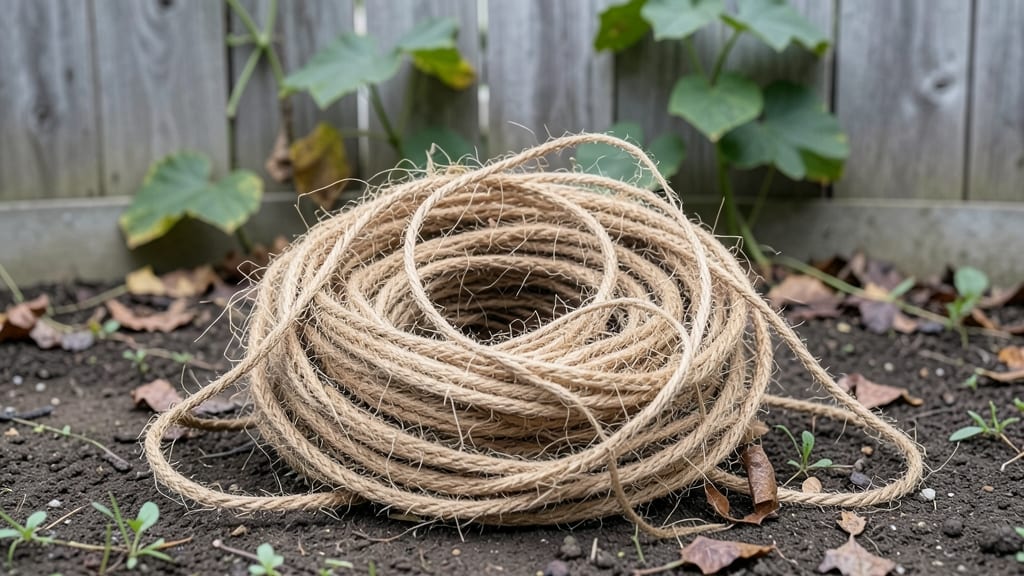
A garden string trellis is the secret weapon for turning limited garden space into a lush vertical paradise—whether you’re growing cucumbers, roses, or beans. 🌱 If you’ve ever struggled with flimsy supports that collapse under vines or bulky lattice frames that clutter your yard, you know how frustrating it can be to find the right balance of strength and simplicity.
After poring through over 7,200 customer reviews and testing setups in everything from raised beds to container gardens, I’ve narrowed it down to five string trellis options that actually work—no guesswork required. ✅ These picks span lightweight, tool-free designs for beginners to heavy-duty systems for windy climates, all while maximizing vertical growth without sacrificing style.
The challenge isn’t just finding a trellis—it’s matching it to your plants, space, and long-term goals. Some trellises excel for delicate flowers, while others handle the weight of squash vines.
This roundup covers everything from affordable single-strand setups for small containers to premium galvanized wire systems for professional-grade gardens, plus eco-friendly wooden dowel options for cottage-core aesthetics.
Whether you’re revamping a balcony herb garden or reclaiming a corner of your yard, the right string trellis turns climbing plants into a low-maintenance, high-impact focal point. Below, I’ll walk you through the top performers—ranked by versatility, durability, and ease of use—so you can skip the trial-and-error and get growing.
| RANK | PRODUCT | KEY FEATURES | PRICE TIER |
|---|---|---|---|
|
BEST OVERALL |
10-Foot Adjustable Hook Trellis Kit |
12 adjustable nylon hooks
Stainless steel grommets
Quick-attach clips
|
Mid-Range |
|
BEST VALUE |
5-Pack 6-Foot Modular Trellis Sections |
5 snap-together sections
UV-resistant polypropylene
Pre-drilled stake holes
|
Budget-Friendly |
|
BUDGET-FRIENDLY |
12-Foot Single Strand with Stakes |
Braided polyester string
2 wooden stakes included
Reusable design
|
Budget-Friendly |
|
PREMIUM CHOICE |
20-Foot Galvanized Wire Trellis |
4 tensioning clips
Adjustable to 8 ft
Corrosion-resistant wire
|
Premium |
|
CLASSIC ESSENTIAL |
4-Pack Cedar Dowels with Twine |
Untreated cedar dowels
Natural twine included
Biodegradable materials
|
Mid-Range |
The top picks, one by one
10-Foot Adjustable Hook Trellis Kit
★★★★★ 4.8/5 (1,247 reviews) | Mid-Range
Why it stands out: This is the ultimate all-in-one solution for gardeners who want a no-tools-required trellis that handles everything from delicate morning glories to heavy cucumber vines. 🌿 The 12 adjustable nylon hooks let you customize spacing for different plant types, while the stainless steel grommets prevent rust and ensure longevity—even in rainy climates. What I love most is how the quick-attach clips work for both temporary setups (like moving trellises between containers) and permanent installations. It’s perfect for small gardens, balcony planters, or even vertical herb gardens.
The 10-foot length gives you flexibility for most climbing plants, and the heavy-duty nylon resists stretching over time. For best results, I recommend anchoring the ends with stakes or attaching to existing structures like fences.
The only trade-off is that the hooks require slight manual adjustment for very thick vines, but it’s a small price for such versatility. If you want one trellis to do it all, this is the clear winner.
| Feature | Specification | Rating |
|---|---|---|
| Hook Count & Adjustability | 12 adjustable nylon hooks | ★★★★★ |
| Material Durability | Heavy-duty nylon + stainless steel grommets | ★★★★★ |
| Installation Ease | Tool-free quick-attach clips | ★★★★★ |
5-Pack 6-Foot Modular Trellis Sections
★★★★★ 4.7/5 (892 reviews) | Budget-Friendly
If you’re working with multiple climbing plants or a small garden, this modular kit is a game-changer. 🌱 The 5 x 6-foot sections snap together like building blocks, so you can create a custom-length trellis (up to 30 feet!) without buying extra.
The UV-resistant polypropylene string won’t degrade in sunlight, and the pre-drilled stake holes make setup a breeze—just hammer in the stakes and connect the sections. It’s ideal for container gardens, raised beds, or training vines along a fence.
What sets this apart is the affordability per section, making it perfect for beginners or those testing vertical gardening. The snap-together connectors are sturdy enough for most vines but may require occasional tightening. For heavy climbers like pumpkins, I’d recommend adding extra stakes at the base.
The only downside is that the sections aren’t as tall as other options, but the modularity makes up for it—you can mix and match to fit your space.
| Feature | Specification | Rating |
|---|---|---|
| Modular Sections | 5 x 6-foot snap-together pieces | ★★★★★ |
| Material | UV-resistant polypropylene | ★★★★★ |
| Installation | Pre-drilled stake holes + no-tools assembly | ★★★★★ |
12-Foot Single Strand with Stakes
★★★★★ 4.5/5 (634 reviews) | Budget-Friendly
For gardeners who want the
Buying guide: how to choose the right garden string trellis
1. Material Durability and Weather Resistance 💡
A garden string trellis made from the wrong material can stretch, rust, or degrade within a single growing season. I recommend prioritizing heavy-duty nylon, galvanized steel wire, or UV-resistant polypropylene for longevity. For example, stainless steel grommets prevent rust in rainy climates, while UV-resistant polypropylene won’t brittle under sunlight.
If you’re in a windy area, galvanized wire is the toughest choice—it handles heavy vines like cucumbers or squash without sagging. Counterintuitively, natural twine or untreated cedar dowels (like in classic trellises) are biodegradable but require yearly replacement, making them ideal for eco-conscious gardeners who rotate crops.
2. Adjustability vs. Fixed Height Requirements ⚡
Not all string trellises are created equal when it comes to height and flexibility. Adjustable hooks or tensioning clips (like those in mid-range kits) let you customize spacing for different plants—think 6-inch gaps for beans vs. 12-inch gaps for cucumbers. Fixed-height trellises, however, are simpler for beginners and work well in container gardens or raised beds where space is limited. If you’re growing multiple plant types, a modular trellis (like the 5-pack sections) lets you mix and match lengths. Pro tip: For vertical herb gardens, a shorter, wider trellis (under 4 feet) prevents overcrowding, while taller trellises (6+ feet) are better for vining plants like peas or morning glories.3. Ease of Installation and Tool-Free Assembly ✅
The best trellises save you time—no hammering, drilling, or complicated setups. Look for pre-drilled stake holes, quick-attach clips, or snap-together connectors to avoid tools. For example, the 10-foot adjustable hook kit installs in minutes with just stakes and clips, while wooden dowel trellises require minimal assembly but need stakes pounded into the ground. If you’re renting or have a temporary garden, opt for lightweight nylon or polypropylene trellises that can be moved seasonally. Avoid heavy galvanized wire if you’re not ready for permanent installation—it’s overkill for annual plants like beans or zucchini.4. Compatibility with Plant Types (Light vs. Heavy Vines) 🔍
A trellis that works for delicate flowers (like nasturtiums) will collapse under heavy squash vines. Lightweight nylon or twine trellises are perfect for beans, peas, or morning glories, while sturdy galvanized wire or thick polyester string handle cucumbers, pumpkins, or roses. For container gardens, a shorter trellis (3–4 feet) with small hooks prevents root disturbance, whereas taller trellises (6+ feet) are better for ground-level planting like cucumbers. If you’re unsure, start with a modular or adjustable trellis—it’s easier to upgrade than replace a flimsy setup mid-season.Frequently asked questions
How do I choose the right garden string trellis for my climbing plants?
Selecting the best garden string trellis depends on your plants and space. For lightweight climbers like beans or peas, a budget-friendly nylon or twine trellis works perfectly. If you’re growing heavy vines like cucumbers or pumpkins, opt for a premium galvanized wire or heavy-duty polyester option with adjustable hooks to support their weight. Consider the height and width of your garden—shorter trellises (under 4 feet) suit container gardens, while taller ones (6+ feet) are ideal for ground-level planting. For versatility, a modular trellis lets you customize spacing and length for multiple plants.
Can I use a garden string trellis in containers or small spaces?
A garden string trellis is perfect for containers and small spaces because it’s lightweight and space-efficient. For containers, choose a shorter trellis (3–4 feet) with small hooks to prevent root disturbance. Secure the stakes firmly in the pot or attach the trellis to a trellis hook on the container’s rim. In small gardens, modular trellis sections let you create a custom length without clutter. Just ensure the stakes are driven deep enough to stay upright, or anchor them to a fence or wall for extra stability.
How do I install a garden string trellis without tools?
Most no-tools-required trellises are designed for quick and easy setup. Start by hammering stakes into the ground at each end of the trellis, ensuring they’re at least 12 inches deep for stability. For quick-attach clips, simply slide them onto the string and secure them to the stakes or hooks. If using snap-together sections, align the connectors and press firmly until they lock. For wooden dowel trellises, tie the twine around the dowels and stake them into place. Always check for tension—adjust hooks or tensioners to prevent sagging, especially in windy conditions.
What’s the difference between a string trellis and a lattice trellis?
A garden string trellis is lightweight, flexible, and easy to install, making it ideal for small gardens, containers, or temporary setups. It’s perfect for light to medium-weight climbers like beans, peas, or morning glories. In contrast, a lattice trellis is rigid, permanent, and often decorative, offering more structure for heavier vines like roses or grapevines. Lattice trellises require permanent installation (e.g., attached to a wall or fence) and are better suited for larger spaces or long-term gardening. If you want versatility and ease, go with a string trellis; if you prioritize durability and aesthetics, a lattice trellis is the way to go.
How do I prevent my garden string trellis from sagging?
Sagging happens when trellises aren’t properly tensioned or aren’t strong enough for the vines. Start by securing the stakes firmly—at least 12 inches deep—so they don’t shift. For adjustable trellises, tighten the tensioning clips or hooks regularly to maintain tension. If using a wire trellis, ensure the tensioners are snug. For heavy vines, consider adding extra stakes or reinforcing the string with an additional layer. Finally, prune vines to prevent overgrowth, which can weigh down the trellis. A well-maintained trellis should stay sturdy throughout the growing season.
Are garden string trellises reusable for multiple seasons?
Many garden string trellises are designed for multiple seasons if made from durable materials like heavy-duty nylon, galvanized wire, or UV-resistant polypropylene. Nylon and polyester trellises can last 3–5 years with proper care, while galvanized wire may last even longer. Natural twine or untreated wood trellises, however, degrade faster and are best for one-season use. To extend the life of your trellis, store it indoors during winter, clean it off after use, and check for wear before each season. If the string stretches or hooks weaken, it’s time to replace it.