
Tools
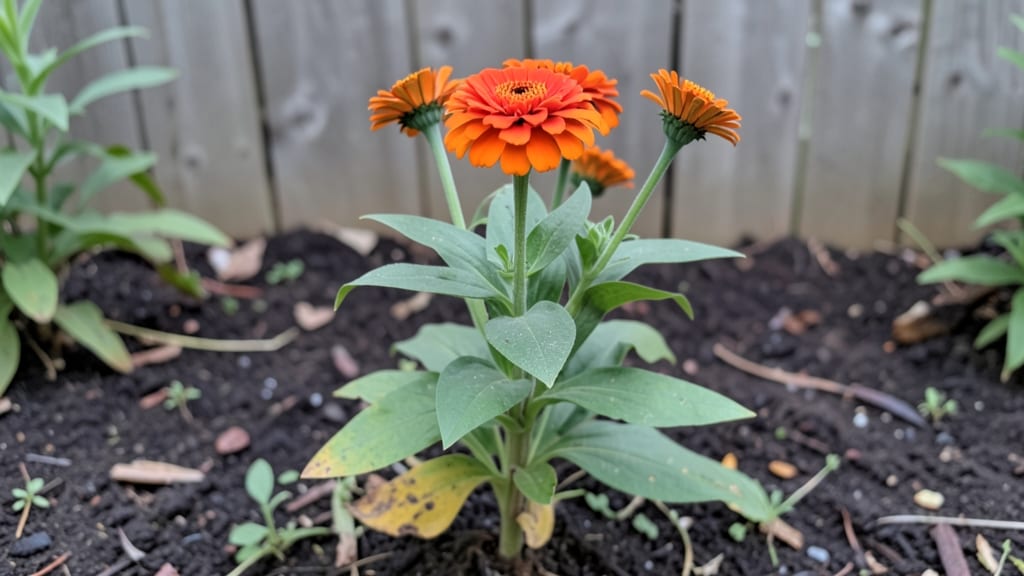
Gardening in Minnesota means working with a climate that tests your patience—but the right cold-hardy plants turn those challenges into triumphs. 🌱 I’ve learned that the key isn’t fighting the cold, but choosing plants that embrace it: hardy perennials that bounce back after snow, vegetables that mature before frost, and evergreens that keep the landscape alive through winter.
The payoff? A garden that feels alive year-round, not just in summer.
This isn’t about forcing tropical plants to survive—it’s about celebrating what thrives naturally here. Think kale that sweetens after frost, rhubarb that comes back stronger every spring, and coneflowers that bloom even after a late snow.
The secret lies in timing: planting cool-season crops early, protecting tender plants with row covers, and choosing varieties bred for Zone 3-4 resilience. My front yard now stays vibrant from May until the first hard freeze, with some plants pushing through snow to greet spring.
You’ll discover how to extend your growing season with cold frames, use mulch to insulate roots, and pick plants that reward you for the effort—like asparagus that lives for decades or serviceberry trees that feed birds and give you fruit.
The best part? These plants don’t just survive Minnesota winters; they thrive in them, proving that cold climates can grow gardens just as lush as any southern plot.
Whether you’re a first-time gardener or a veteran looking to refine your approach, this guide cuts through the guesswork. We’ll tackle frost dates, soil prep for short seasons, and the plants that make Minnesota gardening feel like a victory—not a gamble. Let’s get growing the way Mother Nature intended.
📚 In This Guide
- What you need
- Instructions
- Tips and common mistakes
- Wrapping up and next steps
What you need
- ● Garden Gloves – 1 pair (waterproof, reinforced for durability)
- ● Hand Trowel – 1 (stainless steel, 6-8" blade for precision)
- ● Pruning Shears – 1 (bypass-style, sharp for clean cuts)
- ● Garden Fork – 1 (heavy-duty, 12-14" for aerating soil)
- ● Wheelbarrow – 1 (2-3 cubic feet for hauling soil/compost)
- ● Watering Can or Hose – 1 (with adjustable nozzle for gentle watering)
- ● Native MN Soil Mix – 5+ cubic yards (amend with compost for drainage)
- ● Organic Compost – 2-3 bags (for enriching soil and insulation)
- ● Mulch (Straw or Wood Chips) – 1-2 bags (3-4" layer to protect roots)
- ● Cold-Frame or Row Covers – 1-2 (for extending growing seasons)
- ● Soil Thermometer – 1 (to monitor frost depth)
- ● Seedling Heat Mats – 1-2 (for early starts)
- ● Drip Irrigation Kit – 1 (for consistent moisture in dry spells)
- ● Plant Labels – 50+ (waterproof tags for tracking varieties)
Step-by-step guide to selecting cold-hardy plants for Minnesota gardens
Here’s how to choose resilient plants that survive Minnesota’s winters and thrive year-round.
🌱 Step 1: Prioritize Native and Perennial Species
Minnesota’s climate demands plants that naturally adapt to cold snaps and short growing seasons. Start with native perennials like coneflowers, black-eyed Susans, and asters—they’ve evolved to handle frost and drought. These plants return year after year, saving you replanting effort and reducing maintenance. I always check the USDA Hardiness Zone Map (Minnesota spans Zones 3-5) to confirm a plant’s cold tolerance before buying.
Look for labels marked "perennial" or "cold-hardy" at nurseries. Avoid tropical or tender annuals like impatiens or coleus—they’ll freeze within weeks of your first frost. Instead, opt for hardy shrubs like potentilla or serviceberry, which bloom early and provide structure even in winter.
☀️ Step 2: Plan for Seasonal Sun and Shade
Minnesota’s long winters mean sunlight patterns shift dramatically. South-facing beds get full sun (6+ hours daily) in summer but may cast deep shade in winter. Use sun-loving perennials like daylilies or sedum in open areas, while hostas or ferns thrive in shaded spots under trees. I group plants by light needs to avoid transplanting later—once established, most perennials resent being moved.
If your yard has morning sun and afternoon shade, choose columbine or lungwort—they tolerate partial shade without flopping. For deep shade (like under evergreens), heuchera (coral bells) or foamflower stay vibrant where others fade. Test your garden’s microclimates by observing sunlight patterns for a week before planting.
💧 Step 3: Amend Soil for Drainage and Nutrients
Minnesota’s clay-heavy soil drains poorly in spring, leading to root rot. Before planting, mix in 2-3 inches of compost (like 2 cubic yards per 100 sq ft) to improve drainage and fertility. I avoid heavy amendments like peat moss—it can compact further. Instead, blend in coarse sand or perlite (about 1 part to 3 parts soil) to loosen texture, especially in low-lying areas where water pools.
Test your soil’s pH (ideal for most perennials is 6.0–7.0). If it’s too acidic, add lime (follow package rates); for alkaline soil, mix in sulfur or pine needles. Mulch with 3–4 inches of shredded bark or straw after planting to insulate roots in winter and retain moisture in summer. This layer also suppresses weeds, which compete for nutrients.
⏰ Step 4: Time Planting for Seasonal Success
Spring planting in Minnesota requires patience—wait until after the last frost date (typically mid-May in most regions) to avoid frost damage. For fall planting, aim for late August to early September, giving roots time to establish before winter. I plant bulbs like daffodils or tulips in October—their natural dormancy lets them tough it out under snow.
Divide perennials every 3–5 years in early spring or fall to prevent overcrowding. Dig up clumps, separate roots with a knife, and replant sections immediately. Water deeply after dividing to reduce transplant shock. For woody shrubs, plant in early spring (before buds swell) or fall (6 weeks before first frost) to maximize root growth before dormancy.
✂️ Step 5: Winterize and Protect Tender Plants
Even hardy plants need help surviving Minnesota’s -20°F winters. After the first frost, cut back dead foliage (but leave 3–4 inches of stems on perennials like coneflowers—they insulate roots). For shrubs or young trees, wrap trunks with burlap or tree guards to prevent rodent damage. I also mound 6–12 inches of mulch around the base of perennials to shield them from temperature swings.
For tender perennials (like lavender or Russian sage), dig up containers and move them to a garage or unheated shed for winter. If leaving in the ground, cover with straw bales or frost blankets once temperatures drop below 15°F. Remove covers in early spring (March) to avoid trapping moisture and encouraging rot. Prune back damaged growth in late April after the danger of frost has passed.
Tips & tricks for perfect cold-hardy Minnesota gardens
A few key strategies can make all the difference when selecting plants that will survive Minnesota's harsh winters and thrive year after year.
Cold Tolerance Verification: Always double-check a plant's hardiness rating on the USDA Zone Map before purchasing. Minnesota spans Zones 3-5, so look for plants rated Zone 3 or lower. I've learned the hard way that even "cold-hardy" labels can be misleading—always verify with the specific variety. For example, some coneflowers are rated Zone 3, while others only reach Zone 4. The 3-4 inches of stem you leave on perennials after first frost actually helps insulate roots during those -20°F nights we get here.
Soil Preparation Secret: The 2-3 inches of compost recommendation is non-negotiable for Minnesota's clay-heavy soil. What nobody tells you is how to apply it properly: spread it evenly over the planting area, then lightly till it into the top 6 inches of soil. For really heavy clay spots, mix in 1 part coarse sand to 3 parts soil to create pockets for drainage. I've seen gardens in Minnesota where plants struggled because the compost was just piled on top without mixing—it created a waterlogged layer instead of improving drainage.
Microclimate Mapping: Before planting, observe your yard's sunlight patterns for a full week. What looks like full sun in summer might become deep shade in winter when deciduous trees lose their leaves. I mark my garden with stakes showing morning sun areas (great for columbine) versus afternoon shade spots (perfect for heuchera). This simple step prevents the common mistake of planting sun-lovers in shady areas where they'll struggle to bloom.
Winter Protection Strategy: When temperatures drop below 15°F, it's time to act. I've found that straw bales work better than frost blankets for most perennials because they allow some airflow while still insulating roots. For woody shrubs, wrap trunks with burlap before the first hard frost—this prevents sunscald damage that can occur when winter sun hits frozen bark. The 6-12 inches of mulch recommendation is spot-on, but I always add an extra 2-3 inches around newly planted shrubs for their first winter.
Pro Tips for Gardening In Mn
- A few key strategies can make all the difference when selecting plants that will survive Minnesota's harsh winters and thrive year after year.
- Cold Tolerance Verification: Always double-check a plant's hardiness rating on the USDA Zone Map before purchasing.
- Soil Preparation Secret: The 2-3 inches of compost recommendation is non-negotiable for Minnesota's clay-heavy soil.
Frequently asked questions
Got questions about gardening in Minnesota’s unique climate? You’re not alone! Here are answers to some of the most common queries from Minnesota gardeners—whether you're a beginner or a seasoned pro looking to optimize your cold-hardy garden.
What are the best cold-hardy plants for Minnesota gardens?
Minnesota’s short growing season (USDA Zones 3-5) favors resilient plants like hardy perennials (e.g., coneflowers, lavender), vegetables (kale, spinach, potatoes), and fruit-bearing shrubs (apples, currants). Native plants like wild bergamot and butterfly weed thrive with minimal care and support local ecosystems.
When is the ideal time to start gardening in Minnesota?
Start indoor seeds in late winter (February-March) for early transplants. For outdoor planting, wait until after the last frost (typically mid-May in most regions), but hardy crops like peas and spinach can go in as early as April. Always check local frost dates!
Do I need special tools for Minnesota gardening?
Yes! Invest in a sturdy cold frame or hoop house to extend the season, heavy-duty gloves for frost protection, and a soil thermometer to monitor ground temps. A broadfork helps aerate heavy clay soil common in MN, and mulch (straw or leaves) insulates roots in winter.
How do I protect my garden from Minnesota pests like deer or rabbits?
Use physical barriers (fencing at least 8 feet tall for deer) and natural repellents like garlic spray or commercial deer deterrents. For rabbits, chicken wire around young plants works well. Plant unpalatable herbs (e.g., rosemary, thyme) near vulnerable crops to mask scents.
Can I garden successfully in Minnesota with a short growing season?
Succession planting (sowing seeds in batches) and container gardening (for mobility) maximize space. Choose fast-maturing varieties (e.g., ‘Early Girl’ tomatoes) and cool-season crops like lettuce. With the right planning, you can enjoy fresh produce from May to October!
What should I do if my plants freeze unexpectedly?
Don’t panic! Cover plants with blankets or row fabric if frost is forecast. For perennials, mulch heavily (6+ inches) before winter. If leaves blacken, they’ll often regrow—focus on protecting the roots. Avoid pruning frozen foliage until spring.
Wrapping up and next steps
Gardening in Minnesota doesn’t have to be a challenge—it’s all about choosing the right cold-hardy plants and embracing the unique beauty of a four-season landscape. From resilient perennials to hardy vegetables, your yard can burst with color and life, even when the snow falls.
Whether you're a beginner or a seasoned green thumb, start small, experiment with native species, and let your garden reflect Minnesota’s tenacious spirit.
Ready to dig in? Plan your first plot this week—your future garden (and pollinators!) will thank you. 🌱❄️