
Tools
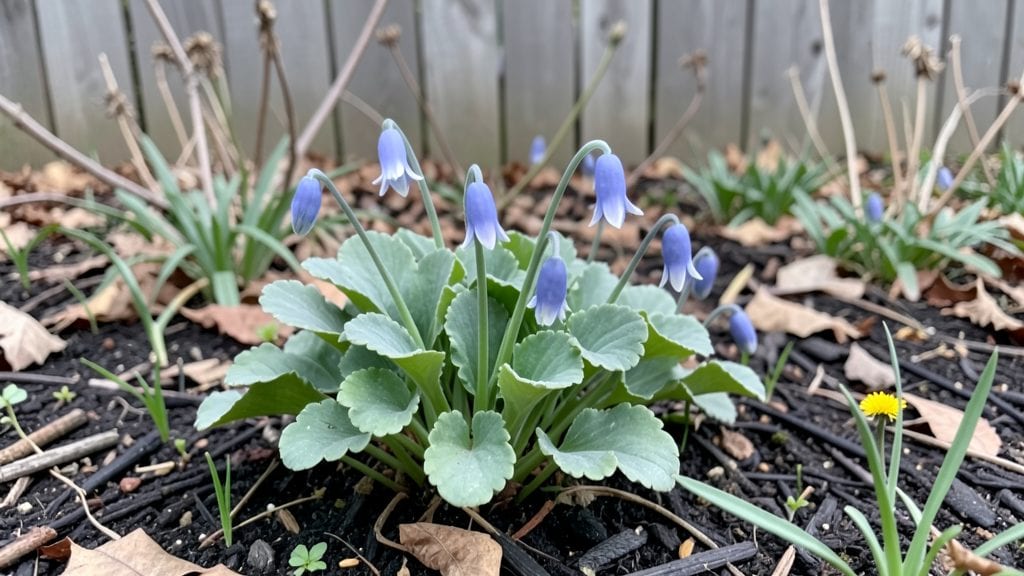
Gardening in Virginia means working with a climate that throws you four distinct seasons in one year—hot, humid summers, crisp autumns, unpredictable springs, and winters that can be mild or downright icy. 🌿 I’ve learned the hard way that what works in Zone 7 Piedmont won’t always translate to the coastal plains or the mountains, so I’m sharing the tricks I’ve picked up after years of trial, error, and a few too many frozen tomato plants.
The key is matching your planting schedule to Virginia’s last frost dates—typically mid-April in the south and mid-May in the north—and choosing plants that thrive in our heavy clay soil or sandy coastal mixes.
My go-to list includes heat-tolerant veggies like okra and sweet potatoes, shade-loving perennials for humid summers, and cold-hardy greens that survive our occasional late frosts.
Even the pests here have their own quirks: squash vine borers love our long summers, and deer will clear out a garden faster than you can say "plant sale."
By the end of the year, you’ll have a garden that produces longer, more reliable harvests than the big-box store ever could—think juicy heirloom tomatoes in July, crisp fall greens, and even winter herbs if you play your cards right.
The secret isn’t just timing; it’s understanding how Virginia’s microclimates create their own little worlds, from the damp lowlands to the drier ridges. I’ll walk you through the seasonal shifts so you can make the most of every growing month.
Whether you’re dealing with the soggy springs of the Tidewater region or the dry heat of the Shenandoah Valley, these tips will help you adapt. Let’s get your garden growing—smart, strong, and ready for whatever Virginia throws at it.
📚 In This Guide
- What you need
- Instructions
- Tips and common mistakes
- Wrapping up and next steps
What you need
- ● Gardening gloves (1-2 pairs) – Opt for durable, breathable fabric (e.g., leather or synthetic mesh) to protect your hands.
- ● Hand trowel (1) – A sturdy, 6-inch stainless-steel or ergonomic trowel for planting and transplanting.
- ● Pruners (1 pair) – Bypass pruners for clean cuts (look for bypass or anvil styles, depending on your needs).
- ● Garden fork (1) – A 12-inch, heavy-duty fork for aerating soil and breaking up tough roots.
- ● Watering can (1, 2-3 gallons) – Choose one with a long spout for precision watering.
- ● Hose with adjustable nozzle (1) – A 50-foot hose with a spray or soaker attachment works best for VA’s varied soil types.
- ● Wheelbarrow (1) – A 2-3 cubic foot capacity for hauling soil, mulch, or plants.
- ● Soil test kit (1) – Virginia’s soil pH varies by region; test yours before amending (available at local extension offices or online).
- ● Compost or organic matter (1-2 bags or homemade) – Improves drainage and fertility; VA’s clay-heavy soils benefit from 2-3 inches mixed in.
- ● Mulch (2-3 cubic feet) – Pine straw or shredded bark to retain moisture and suppress weeds (especially for summer gardening!).
- ● Plant markers (50+) – Biodegradable or reusable labels to track varieties.
- ● Seedlings or seeds – Choose climate-adapted varieties (e.g., heat-tolerant tomatoes, native wildflowers).
- ● Raise beds (1-2, if desired) – Elevate beds 6-12 inches for better drainage in VA’s wetter zones.
- ● Drip irrigation system – Saves water and time, ideal for VA’s humid summers.
- ● Shade cloth (1-2 rolls) – Protects young plants from intense sun (especially in Piedmont regions).
- ● Bird netting – Essential for berries and veggies like peas and squash!
Instructions for year-round gardening in Virginia’s unique climate
Virginia’s four distinct seasons demand flexibility—here’s how to adapt your approach for thriving plants all year.
🌱 Step 1: Plan for Seasonal Shifts With Zoned Planting
Virginia’s climate spans USDA zones 5b-8a, so divide your garden into three zones: cool-season crops (spring/fall), warm-season staples (summer), and evergreens for winter interest. I plant lettuce and spinach in early spring and again in late summer when temperatures dip below 85°F—they bolt and turn bitter in Virginia’s summer heat.
Use raised beds in cooler microclimates like the Shenandoah Valley, where frost lingers longer. In warmer zones like Norfolk, opt for heat-tolerant varieties like okra or sweet potatoes. Mark your planting dates based on your last frost (mid-April in the north, mid-March in the south) and work backward from harvest times.
☀️ Step 2: Manage Sunlight and Shade Strategically
Virginia’s summer sun is intense—6+ hours of direct light is standard, but afternoon shade prevents wilting in tomatoes and peppers. I install temporary shade cloth (30-50% coverage) over summer beds to maintain soil moisture and prevent sunscald on fruits. Watch for leaves curling or turning yellow—this signals too much exposure.
In winter, evergreens like boxwood or holly provide natural windbreaks while adding structure. Position them on the north side of beds to shield tender plants from cold winds. Mulch heavily (3-4 inches) around perennials to insulate roots during freeze-thaw cycles—this is especially critical in Piedmont regions where temperatures fluctuate wildly.
💧 Step 3: Adjust Watering for Virginia’s Rainfall Patterns
Virginia’s rainfall varies dramatically—40+ inches annually in the east, 30-35 inches in the west. Use a rain gauge to track moisture; most gardens need 1-1.5 inches per week, but clay soils in the Tidewater region drain poorly and require more frequent, shallow watering. I test soil moisture by pressing a finger 1 inch deep—if it’s dry, water deeply until it seeps 6 inches down.
Install drip irrigation for summer vegetables to avoid fungal diseases from overhead watering. In drought-prone areas like the Blue Ridge Mountains, group plants with similar water needs together (e.g., herbs and lavender near succulents). Mulch with straw or wood chips to retain moisture—this is non-negotiable in Virginia’s summer heat waves.
✂️ Step 4: Prune and Protect for Extreme Weather
Virginia’s hurricanes (coastal regions) and late frosts (mountain areas) demand proactive pruning. Thin out crowded branches in late winter to improve airflow, reducing disease risk during humid summers. After storms, inspect plants for broken stems—remove damaged foliage immediately to prevent pests from moving in.
Use frost cloths (30-40°F rating) for tender perennials like salvias or fuchsias when nighttime temps drop below 35°F. In the Shenandoah Valley, I’ve found that covering plants with burlap sacks (anchored with bricks) protects them through 20°F dips. Remove covers by 10 AM to prevent overheating as the sun rises.
🌿 Step 5: Rotate Crops and Feed Soil for Long-Term Health
Virginia’s humid climate encourages soil-borne diseases, so rotate crops annually. I plant tomatoes where beans grew last year, and vice versa, to break pest and disease cycles. Add 2-3 inches of compost in spring and fall, and top-dress with organic fertilizer (like fish emulsion) when plants flower. Soil tests are worth the investment—Virginia’s acidic soils (pH 5.5-6.5) often need lime for vegetables like broccoli or cabbage.
Interplant flowers like marigolds or nasturtiums to repel pests naturally. In the fall, leave spent plants (like sunflowers) for seed heads—they provide winter interest and attract beneficial insects. This approach keeps your garden productive and visually appealing year-round, no matter Virginia’s mood swings.
Tips & tricks for year-round gardening in Virginia
Virginia's climate can be a gardener's best friend—or worst enemy—if you don't know how to work with it. Here are the key strategies I've learned to keep my garden thriving through all four seasons.
Microclimate Mastery: Virginia's USDA zones 5b-8a mean your backyard can have multiple microclimates. I've found that a simple trick is planting a weather station in your garden to track real-time conditions. The Shenandoah Valley might still have frost when Norfolk is already planting tomatoes—adjust your planting dates accordingly. For heat-sensitive crops like lettuce, wait until temperatures consistently stay below 85°F before planting in summer, which is typically late July in most regions.
Shade Strategy: The key to summer success is that temporary shade cloth (30-50% coverage) I mentioned isn't just for moisture—it's also about protecting your plants from sunscald. I've learned to watch for leaves curling or turning yellow as your first warning sign of too much exposure. For tomatoes and peppers specifically, I install shade cloth around 11 AM and remove it by 3 PM to give them some direct sunlight when the sun isn't at its peak intensity.
Soil Moisture Secrets: That 1-1.5 inches per week watering guideline is perfect, but how you deliver it makes all the difference. In clay soils common in Tidewater, I've found that watering in the morning and again in the evening prevents water from evaporating too quickly. For drought-prone areas like the Blue Ridge Mountains, I group plants with similar water needs together—herbs and lavender near succulents—and always mulch with wood chips to lock in moisture. The 1-inch deep soil moisture test is your best friend here.
Frost Protection Hacks: When nighttime temps drop below 35°F, I've discovered that frost cloths work wonders, but they need to be properly secured. I use bricks or garden stakes to weigh down the edges so they don't blow away. For those 20°F dips in the Shenandoah Valley, I've had the most success with burlap sacks—just remember to remove them by 10 AM to prevent overheating. I also keep a thermometer handy to monitor overnight lows precisely.
Pro Tips for Gardening In Va
- Virginia's climate can be a gardener's best friend—or worst enemy—if you don't know how to work with it.
- Microclimate Mastery: Virginia's USDA zones 5b-8a mean your backyard can have multiple microclimates.
- Shade Strategy: The key to summer success is that temporary shade cloth (30-50% coverage) I mentioned isn't just for moisture—it's also about protecting your plants from sunscald.
Frequently asked questions
Got questions about gardening in Virginia?
You’re not alone! Whether you’re a newbie or a seasoned green thumb, Virginia’s unique climate—from humid summers to chilly winters—can raise a few leafy concerns. Here are answers to the most common queries to help you grow confidently year-round.
When is the best time to start gardening in Virginia?
Virginia’s gardening season kicks off in early spring (March–April) for cool-season crops like lettuce and peas, while warm-season plants (tomatoes, peppers) thrive after the last frost, typically mid-April to May. Fall planting (August–September) is ideal for hearty veggies like kale and carrots. Check your USDA Plant Hardiness Zone (7a–8a) for precise timing!
How do I deal with Virginia’s humidity and pests?
Humidity and pests like Japanese beetles or squash bugs are common foes. Preventative tips: Use mulch to retain moisture, row covers for early crops, and neem oil or soapy water sprays for pests. Drainage is key—avoid soggy soil by amending clay-heavy VA soil with compost or sand. Rotate crops yearly to disrupt pest cycles!
Can I garden in Virginia during winter?
While outdoor gardening slows, winter is perfect for:
- Cold-hardy crops: Spinach, kale, and broccoli thrive in temps down to 20°F.
- Container gardening: Move pots to sheltered spots or use hoop houses.
- Indoor starts: Seedlings for spring (like tomatoes) can begin indoors in January–February.
What are the easiest plants to grow for beginners in VA?
Start with low-maintenance, high-reward plants like:
- Herbs: Basil, mint, and parsley (grow well in pots!).
- Vegetables: Bush beans, zucchini, and radishes (fast-growing!).
- Flowers: Marigolds (pest-repellent!) and sunflowers (drought-tolerant).
What tools do I really need for VA gardening?
Skip the clutter—focus on these essentials:
- Hand trowel & pruners: For planting and trimming.
- Garden fork: Breaks up VA’s compacted clay soil.
- Watering can/hose with adjustable nozzle: Humidity means deep but infrequent watering.
- Gloves & knee pads: Protect against thorns (roses!) and long sessions.
Why are my VA-grown plants wilting or yellowing?
Common culprits in Virginia:
- Over/under-watering: Check soil moisture 1–2 inches down—clay soil stays wet longer.
- Nutrient deficiency: Yellow leaves? Test soil for nitrogen (N) or iron (common in VA).
- Pests/disease: Wilting + spots? Inspect for aphids or powdery mildew (spray with baking soda mix).
- Poor drainage: If water pools, amend soil with compost or perlite.
Wrapping up and next steps
Gardening in Virginia is all about working with the climate—not against it! 🌱 From selecting the right plants for your zone to mastering seasonal techniques, the key is adaptability and a little creativity.
Whether you're a beginner or a seasoned green thumb, the right tools, knowledge, and passion can turn your space into a thriving oasis.
Ready to dig in? Start small—plant a few climate-resistant varieties, experiment with mulching, or even try container gardening. Every gardener begins somewhere, and Virginia’s diverse seasons offer endless opportunities to grow, learn, and enjoy the fruits (and veggies!) of your labor. Happy gardening! 🌿