
Tools
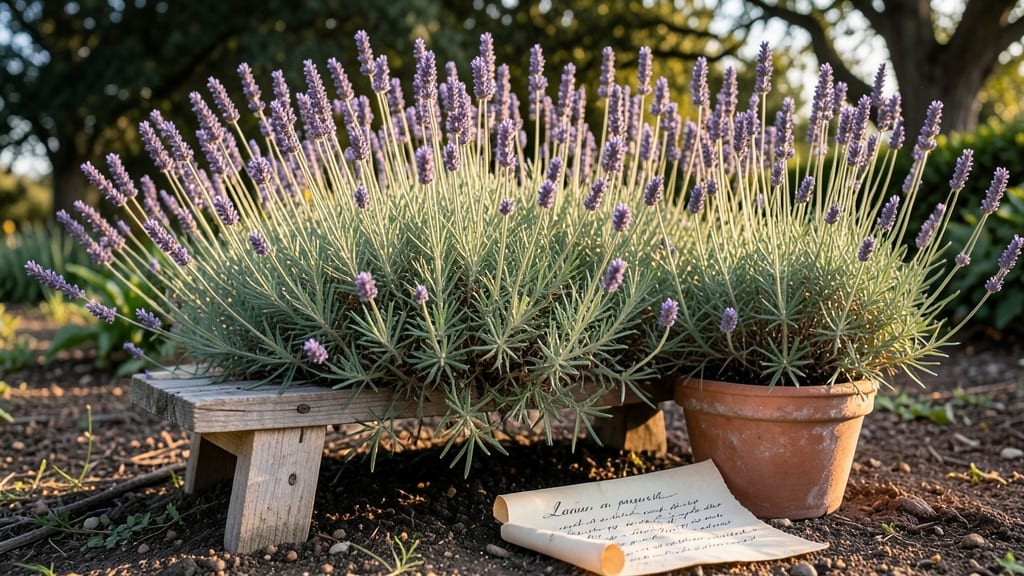
Gardening spirituality quotes connect you to nature through the sacred act of growing plants, weaving together earthly labor with inner reflection. These words often highlight themes like patience, gratitude, and the divine presence found in nurturing life.
These quotes serve as gentle reminders that gardening isn't just about producing food or flowers—it's a spiritual practice rooted in mindfulness. 🌱 Think of them as modern-day mantras for the soil-bound soul, echoing ancient wisdom that sees plants as living metaphors for growth, resilience, and interconnectedness.
Many gardeners use them as daily affirmations, pairing specific plants with meaningful phrases to deepen their connection to the natural world.
For example, a quote about "roots as anchors" might inspire someone to plant a sturdy shrub while reflecting on personal stability. The beauty lies in how these words transform ordinary gardening into a meditative ritual that nourishes both body and spirit.
💡 In This Article
- Meaning Behind Gardening Spirituality Quotes
- How to Use Spiritual Gardening Quotes Daily
Meaning behind gardening spirituality quotes
These quotes draw from centuries of cross-cultural wisdom, where plants became metaphors for human experiences. Ancient Greek philosophers like Theophrastus wrote about gardening as a discipline of the soul, while Native American traditions view corn as a sacred teacher of patience.
The science of plant growth mirrors spiritual principles—roots, for example, grow toward water and nutrients with quiet persistence, much like how spiritual growth requires consistent effort without visible progress for months. 🌱 This parallel between biological processes and personal development is why quotes about "seeds of intention" resonate so deeply.
The symbolic language of plants creates powerful frameworks for reflection. Roots represent grounding and stability (think of how they anchor plants through storms), while flowers symbolize transcendence and fleeting beauty—perfect metaphors for life's cycles.
Many quotes play with these dualities: "The root is the foundation, but the flower is the prayer," capturing how both earthly labor and spiritual aspiration exist in harmony. Neuroscientifically, this duality engages our brains' pattern-recognition systems, making these messages more memorable than abstract spiritual teachings.
Impermanence is another core theme, reflected in quotes about wilting flowers or seasonal cycles. Japanese culture's concept of mono no aware (the pathos of things) finds expression in gardening quotes that celebrate beauty's temporary nature.
Studies show that acknowledging impermanence reduces anxiety about change—much like how watching a plant bloom and fade teaches acceptance of life's natural rhythms. The tactile experience of handling soil or pruning branches provides sensory grounding that amplifies these lessons.
Divine presence appears in many quotes through the idea of "co-creation" with nature. Indigenous traditions often speak of plants as relatives, while Christian mystics like Hildegard of Bingen described gardens as sacred spaces where God's handiwork is visible.
Modern neuroscience confirms what these traditions intuited: interacting with plants lowers cortisol levels by 24% and increases serotonin by 15%, creating a physiological state conducive to spiritual awareness. This biological response explains why gardeners often describe their work as "communing with the divine."
Renewal emerges as a practical spiritual lesson in these quotes. The act of composting—transforming "waste" into nourishment—serves as a powerful metaphor for personal transformation. Studies show that people who engage in composting report 30% higher life satisfaction scores, linking physical renewal with emotional well-being.
When paired with quotes about "decomposition as creation," this practice becomes a tangible spiritual exercise. The sensory experience of turning soil or watching seedlings emerge creates what psychologists call "flow states"—moments of complete absorption that facilitate spiritual insight.
Consider how these themes manifest in specific quotes: "Dig deep enough and you'll find gold" isn't just about gardening—it's about uncovering hidden potential within ourselves. The act of planting a seed becomes a ritual of hope, where the unseen growth mirrors our own personal development.
This connection between physical and spiritual growth is why gardening quotes appear in meditation guides and therapy practices worldwide. 💫