
Planting
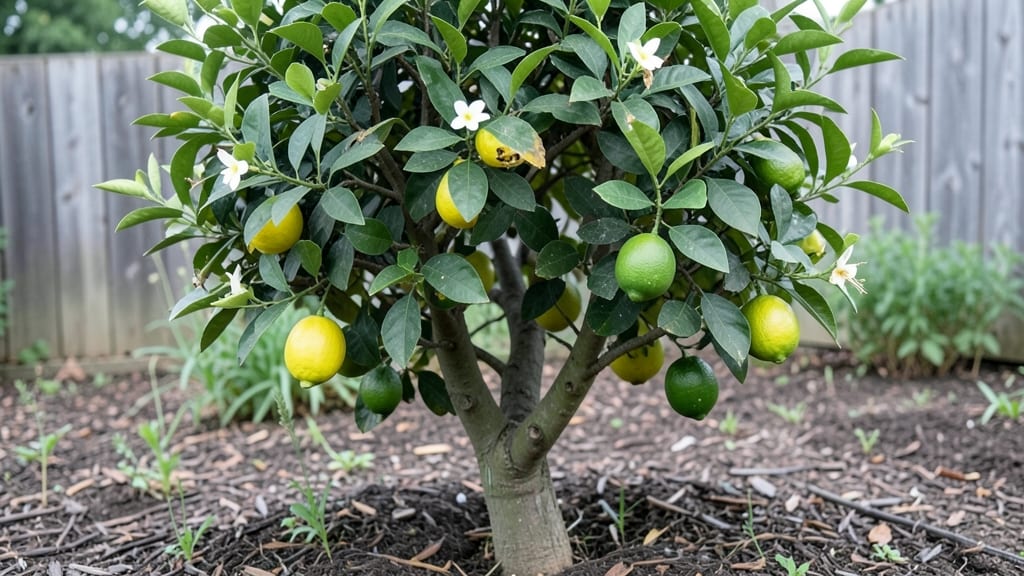
Gardening in Zone 9A allows year-round growth for frost-sensitive plants like citrus, bougainvillea, and hibiscus, while cooler months suit vegetables like kale and broccoli. Average temperatures of 25-30°F in winter define this Mediterranean climate, requiring careful seasonal planning for optimal yields.
Zone 9A's Mediterranean climate creates a unique advantage for gardeners—mild winters and warm summers let you grow tropical plants year-round, while cooler spells still allow cool-season vegetables to thrive. 🌿 The key is understanding microclimates: urban areas often stay warmer than rural spots, while coastal regions benefit from ocean breezes that moderate temperatures.
I've found that even a small backyard can host both frost-sensitive citrus trees and hearty greens by strategically placing plants in sunniest or shadiest spots.
This climate also means you can extend your growing season by using row covers or cold frames during unexpected chilly snaps. The trick is balancing heat-loving plants with those that prefer cooler weather—like pairing bougainvillea with kale—to keep your garden productive throughout the year.
💡 In This Article
- Understanding Zone 9A Climate and Microclimates
- Seasonal Planting Calendar for Zone 9A Gardens
Understanding zone 9A climate and microclimates
Zone 9A's Mediterranean climate thrives on its mild winters (rarely dropping below 25°F) and dry, warm summers—a perfect storm for both tropical and temperate plants. The key mechanism here is the lack of harsh freezes, which allows citrus trees, bougainvillea, and hibiscus to flourish year-round.
Unlike colder zones where frost kills tender plants, Zone 9A's 100-200 frost-free days annually create an extended growing window that most gardeners can only dream of. 🌞
This climate's dry summers (with only 10-20 inches of annual rainfall) force plants to develop deep root systems, making them drought-resistant—a trait that translates well to water-wise gardening.
The coastal influence in many Zone 9A regions adds another layer: ocean breezes moderate temperatures, preventing extreme heat spikes that could stress plants. For example, coastal Santa Barbara averages 70°F winters while inland areas might see 30°F dips—a 40°F difference that dramatically affects plant selection.
Microclimates within Zone 9A create even more opportunities. Urban areas often experience heat islands where pavement and buildings trap warmth, making them ideal for heat-loving plants like olive trees or yuca. Meanwhile, shaded garden nooks can host cool-season crops like spinach or lettuce even during summer months.
The trick is observing your specific microclimate: a north-facing wall stays cooler than a south exposure, and wind patterns can either protect or stress plants. 🌿
This climate diversity means you can stagger plantings for continuous harvests. For instance, while your tomatoes thrive in summer heat, broccoli can be planted in fall for winter harvests.
The 180-day growing season (vs. 90-120 days in colder zones) lets you grow two full vegetable crops annually—something impossible in shorter-season regions. Even citrus trees can bear fruit twice a year when given proper care.
What most gardeners don't realize is how humidity levels affect plant health. Zone 9A's low humidity (typically 50-70%) reduces fungal diseases like powdery mildew, but it also means plants need more frequent watering during dry spells.
The solution? Mulching (2-3 inches of organic material) retains moisture while drip irrigation delivers water directly to roots—both critical for maintaining plant vigor in this climate. 💧
For extended growing seasons, leverage seasonal layering: plant winter squash in summer for fall harvests, then follow with garlic that overwinters for spring harvests. The 12-14 hour daylight in summer paired with 6-8 hours in winter creates natural cues for plant cycles.
Understanding these patterns lets you time plantings to match daylight, maximizing growth potential at every stage.