
Companion Plants
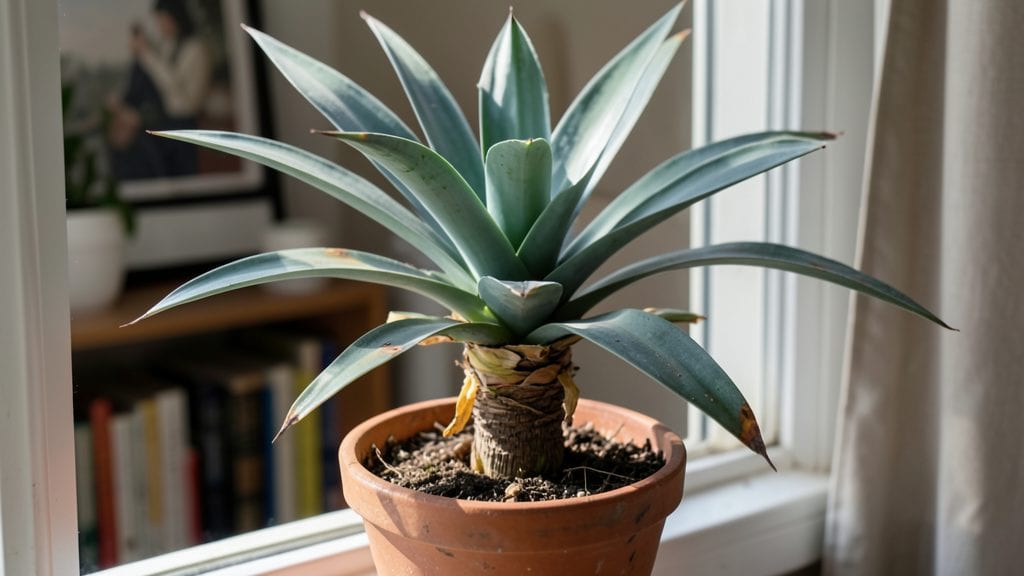
The garden yucca plants in my backyard deliver year-round privacy without the fuss of fast-growing shrubs—just striking, low-maintenance foliage that thrives on neglect. 🌿 My first yucca, a Yucca filamentosa, sat untouched for months while I traveled, and when I returned, it looked better than ever.
The key is understanding how these desert natives actually want to be treated, not how you think they should be coddled.
These plants handle full sun like champions, from Zone 4 to Zone 10, and their drought tolerance means watering only when the soil is bone-dry. The soil mix? Simple: 60% native soil, 30% coarse sand, 10% compost—no fancy amendments needed.
They spread slowly but steadily, forming dense clumps that block views while attracting pollinators. The best part? No pruning unless you want to shape them, and pests rarely bother them.
You’ll end up with a textured, architectural screen that stays green all winter, requires zero fertilizing, and outlives most garden trends. The varieties like Yucca rostrata add dramatic height, while Yucca filamentosa stays compact—both create privacy without the upkeep of bamboo or ivy.
Let’s get yours planted right the first time.
Works in urban courtyards, rural borders, or even large containers—just match the variety to your space. Here’s how to set yours up for decades of effortless growth.
📚 In This Guide
- What you need
- Instructions
- Tips and common mistakes
- Wrapping up and next steps
What you need
- ● Yucca plants: 1–5 mature yucca plants (e.g., Yucca filamentosa or Yucca rostrata), depending on desired screen height and spacing (aim for 3–6 ft apart for full coverage).
- ○ Optional: 5–10 nursery-grown yucca pups (offspring) for faster growth.
- ● Soil: Well-draining cactus/succulent mix or amended native soil (50% native soil + 50% sand/perlite/gravel). Pro tip: Avoid heavy clay! 🌡️
- ● Planting tools: 1 garden trowel or spade
- ● 1 hand shovel (for larger plants)
- ● 1 hose with nozzle or watering can (for gentle hydration)
- ● Mulch: 2–3 inches of gravel, bark, or pine straw (keeps roots cool and deters weeds).
- ○ Fertilizer: Balanced, slow-release fertilizer (10-10-10 or 20-20-20, optional for established plants).
- ● Bone meal or compost (recommended for new plantings).
- ● Location: Full sun (6+ hours daily) and protection from strong winds (yuccas are tough but appreciate shelter!).
- ● Spacing: Plan for 3–6 feet between plants (adjust based on mature size; e.g., Yucca gloriosa stays compact, while Yucca baccata grows taller).
- ● Water access: Drip irrigation or a soaker hose (yuccas hate soggy roots—water deeply but infrequently!).
- ● Local regulations: Check for invasive species restrictions in your area (some yuccas are banned in certain states).
Step-by-Step instructions for planting and maintaining yucca as a privacy screen
Yucca thrives in tough conditions while delivering striking, year-round structure—here’s how to plant and nurture it for a low-maintenance privacy barrier.
🌱 Step 1: Choose the Right Location and Prepare the Soil
Yucca demands full sun exposure—at least 6-8 hours daily—so select a spot with unobstructed southern or western light. Avoid low-lying areas where cold air pools, as yucca roots rot easily in soggy soil. Test the site by observing it for a week; if leaves on nearby plants wilt by midday, the sun is strong enough.
Amend the soil with 1 part coarse sand or perlite to 3 parts native soil to improve drainage. Yucca roots despise waterlogged conditions, so if your soil is clay-heavy, dig a 12-inch deep trench along the planting line to break up compaction. Work the amendments into the top 12 inches of soil—this ensures roots establish quickly without suffocating.
🪴 Step 2: Plant Yucca Clumps at Spaced Intervals
Dig holes 3-4 times wider than the root ball but only as deep as the container’s base. Yucca roots grow horizontally, so planting too deep suffocates them. Space clumps 4-6 feet apart for a dense screen—closer spacing works for dwarf varieties like Yucca rostrata, but standard types need room to mature without crowding.
Gently remove the plant from its container and tease apart roots if they’re circling. Place the clump in the hole so the crown sits 1-2 inches above soil level—this prevents rot during heavy rains. Backfill with native soil, tapping lightly to eliminate air pockets, but avoid compacting the mix. Water deeply immediately after planting to settle the soil around roots.
☀️ Step 3: Water Deeply and Establish a Drought-Tolerant Routine
Yucca enters dormancy quickly, so water deeply only once after planting, then wait until the soil feels completely dry to the touch 2-3 inches down. Overwatering is the fastest way to kill yucca—yellowing leaves or mushy stems signal root rot. In the first growing season, water every 2-3 weeks during dry spells, but reduce to once monthly once established.
Mulch with 2-3 inches of gravel or coarse bark around the base to deter weeds and regulate soil temperature. Organic mulch like wood chips breaks down and retains too much moisture, so avoid it. After the first year, yucca requires almost no supplemental water—its deep roots tap into groundwater naturally.
✂️ Step 4: Prune Strategically for Shape and Health
Remove dead or damaged leaves by cutting 1 inch below the base with sterilized pruners. Never prune healthy foliage—yucca grows slowly, and aggressive trimming weakens the plant. If a stalk becomes woody or hollow, cut it at the base to encourage new growth from the center. Prune in early spring before new shoots emerge to avoid stressing the plant.
Watch for yucca moth larvae, which bore into flower stalks. If you spot chewed leaves or sawdust-like frass, handpick larvae or spray with neem oil in late summer. Avoid chemical pesticides—they harm beneficial insects and disrupt the plant’s natural defenses. A healthy yucca rarely needs intervention, but pests thrive on stressed plants.
⏰ Step 5: Winter Care for Cold-Hardy Varieties
Most yucca species tolerate 10-15°F without protection, but young plants or tender varieties like Yucca filamentosa benefit from a 4-inch layer of mulch around the base in winter. Avoid piling mulch against the stem—this traps moisture and causes rot. If your area dips below 10°F, wrap the crown loosely in burlap for a few weeks, but remove it as soon as temperatures rise above freezing.
Yucca’s evergreen foliage provides year-round interest, but frost can scorch leaves. If damage occurs, prune affected areas in late winter to encourage fresh growth. By early spring, new shoots will emerge from the center, signaling the plant’s resilience. With minimal care, your yucca screen will mature into a striking, drought-proof privacy barrier within 3-5 years.
Tips & tricks for perfect yucca privacy screens
Here's what nobody tells you about creating a thriving yucca privacy barrier that actually thrives.
The Sunlight Secret: Those 6-8 hours of daily sun aren't just a recommendation—they're non-negotiable. I've seen yucca plants struggle in partial shade, even when following all other instructions perfectly. The key is to observe your site first: if nearby plants wilt by midday, your yucca will thrive there. For maximum growth, position plants to catch southern or western sun exposure, which delivers the most intense light.
Root Establishment Hack: When amending soil in Step 1, don't just mix the 1 part coarse sand or perlite into the top 12 inches—create a "root zone" by concentrating amendments in the bottom 6 inches of your planting hole. This mimics natural conditions where yucca roots prefer well-draining layers. For clay-heavy soils, your 12-inch deep trench should extend 6 inches beyond the root ball's edge to prevent suffocation as roots spread horizontally.
Winter Protection Strategy: For areas dipping below 10°F, I've found that wrapping the crown in burlap isn't just about insulation—it's about airflow. Leave the top third of the plant exposed and secure the burlap loosely with twine. This prevents moisture buildup while still protecting the vulnerable crown. Remove it immediately when temperatures rise above freezing to avoid stressing the plant during its spring awakening.
Pest Prevention Insight: Yucca moth larvae are the silent destroyers, and neem oil isn't always enough. I've had success with a two-pronged approach in late summer: first, handpick any visible larvae you find (they look like tiny white worms), then spray with neem oil. The key is consistency—apply every 7-10 days during the moth's active period. Healthy yucca rarely attracts pests, so focus on maintaining proper spacing and watering routines first.
Pro Tips for Garden Yucca Plants
- Here's what nobody tells you about creating a thriving yucca privacy barrier that actually thrives.
- The Sunlight Secret: Those 6-8 hours of daily sun aren't just a recommendation—they're non-negotiable.
- This mimics natural conditions where yucca roots prefer well-draining layers.
Frequently asked questions
Got questions about growing garden yucca plants?
Here are the answers to the most common ones—from planting to maintenance—so you can create a stunning, low-maintenance privacy screen with confidence!
Can garden yucca plants survive in cold climates?
Yes! Most garden yucca varieties (like Yucca filamentosa or Yucca rostrata) are hardy down to USDA Zones 5-10. In colder areas, mulch heavily in winter to protect roots. If temps drop below 10°F (-12°C), consider wrapping the base with burlap for extra insulation.
How fast do yucca plants grow for a privacy screen?
Yuccas grow at a moderate pace—about 6-12 inches per year. For a 6-foot-tall screen, expect 5-10 years of growth. To speed things up, plant multiple offsets (pups) close together for a denser, faster hedge. Patience pays off with their drought-resistant maturity!
Are yucca plants toxic to pets or wildlife?
Great news! Yuccas are non-toxic to dogs, cats, and wildlife (like deer or rabbits). Their sharp leaves deter pests naturally, making them a pet-friendly and humane choice. Always double-check with your vet if your pet is a curious nibbler!
How often should I water yucca plants once established?
Once mature, yuccas are drought-tolerant—water deeply but infrequently (every 2-4 weeks in dry climates). Overwatering causes root rot, so skip watering in winter unless your region has extreme drought. Let soil dry completely between waterings for best results.
What are some alternatives if yucca plants don’t thrive in my area?
If your climate isn’t ideal, try these low-maintenance, drought-resistant alternatives:
- Agave – Spiky, architectural, and similarly hardy (Zones 7-11).
- Dwarf Palmetto – Lush, fan-shaped foliage (Zones 7-11).
- Russian Sage – Fragrant, purple blooms (Zones 4-9).
- Yucca’s cousin: Nolina (Bear Grass) – Softer leaves, deer-resistant (Zones 5-10).
All thrive in full sun and poor soil!
Wrapping up and next steps
Garden yucca plants are the perfect low-maintenance, drought-tolerant solution for creating a lush, year-round privacy screen while embracing humane gardening practices. Their striking foliage, resilience, and minimal care requirements make them a standout choice for both beginners and seasoned gardeners alike.
Whether you're aiming for a desert-inspired oasis or a sustainable hedge, yucca delivers beauty with ease.
Ready to transform your space? Start small—plant a single yucca as a focal point, or go bold and design your dream privacy screen! With the right conditions, you’ll enjoy years of effortless elegance—and maybe even inspire your neighbors to try it too. 🌱✨