
Vegetables
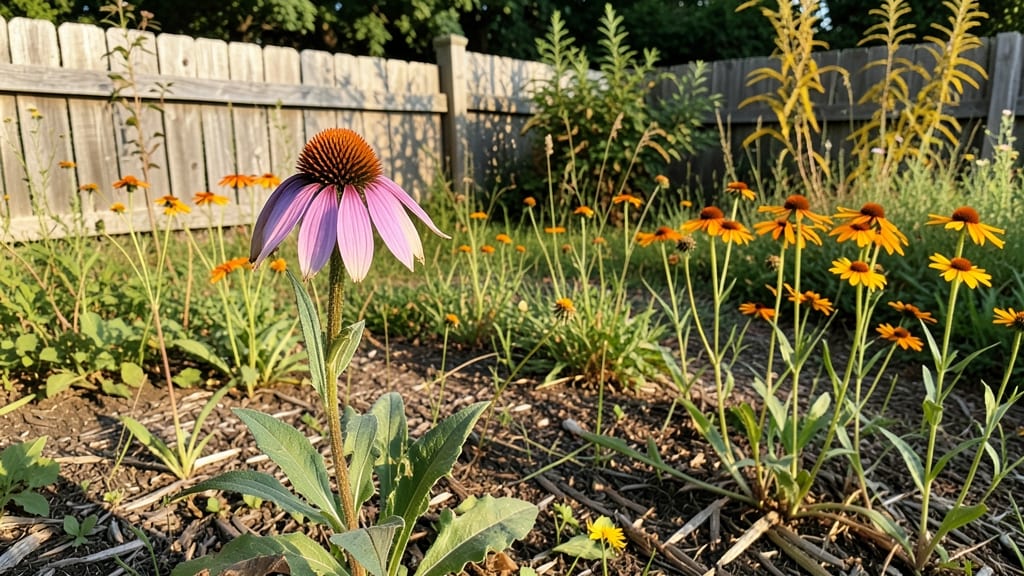
Tennessee gardens thrive when you work with the humidity instead of fighting it. 🌿 The key to year-round harvests here lies in selecting heat-tolerant varieties, extending seasons with row covers, and embracing shade-loving crops that flourish in the state's subtropical zones.
My first garden failed because I ignored these basics—until I learned the right plants for Tennessee's climate.
Think beyond tomatoes and peppers: collard greens, sweet potatoes, and okra grow like weeds in the heat, while kale and spinach thrive in winter. I've mastered a simple rotation system that keeps my soil rich and my harvests steady, even when summer temperatures hit 90 degrees.
The secret isn't fancy equipment—it's knowing which plants to grow when.
You'll end up with a garden that produces fresh vegetables from spring through fall, with winter greens ready to harvest when others are struggling. The best part? These plants handle Tennessee's humidity naturally, so you spend less time fighting pests and more time enjoying the harvest.
Let's dive into the specific varieties and techniques that make this work.
Whether you're in Nashville's urban heat islands or the cooler Appalachian foothills, these adaptations work. The same principles apply to both backyard plots and container gardens on patios. Here's how to make it happen in your own space.
📚 In This Guide
- What you need
- Instructions
- Tips and common mistakes
- Wrapping up and next steps
What you need
- ● Soil: 10-20 bags of high-quality garden soil (look for compost-enriched blends like Miracle-Gro Garden Soil or Espoma Organic Garden Soil). Compost: 5-10 cubic feet of well-aged compost (homemade or store-bought, like Black Kow). Mulch: 5-10 bags of pine straw or shredded hardwood mulch (helps retain moisture and deter weeds). Fertilizer: A balanced 10-10-10 or organic fertilizer (like Dr. Earth Organic 5). Seeds or Seedlings: Tomatoes (heirloom or hybrid, 10-15 plants)
- ● Peppers (bell or hot, 5-10 plants)
- ● Green beans (bush or pole, 10-15 plants)
- ● Okra (5-10 plants, thrives in heat)
- ● Sweet potatoes (slips or seeds, 10-15)
- ● Collard greens (10-15 plants, cold-hardy)
Instructions for designing a Tennessee-resilient vegetable garden
Here's how to create a thriving garden that thrives through Tennessee's heat, humidity, and seasonal shifts.
🌱 Step 1: Plan for Seasonal Success with Strategic Planting Zones
Tennessee's climate demands smart layering. Start by dividing your space into three zones: cool-season crops (like lettuce and spinach) thrive in early spring and fall when temperatures stay between 40-75°F. Warm-season favorites (tomatoes, peppers, and okra) need 75-90°F and can't tolerate frost.
Use raised beds or containers for warm-season plants to improve drainage—humidity here means soggy soil kills roots fast. I always dedicate the northern edge of my garden to cool-season crops, where morning shade protects tender leaves from afternoon sunburn. Mark zones with stakes so you don't accidentally plant heat-lovers where they'll wilt.
☀️ Step 2: Optimize Sun and Shade for Humidity Tolerance
Most Tennessee vegetables need 6-8 hours of sun daily, but afternoon shade helps prevent bolting (when plants flower prematurely). Position taller plants like corn or sunflowers on the north side of beds to cast natural shade for shorter crops underneath.
Watch for afternoon wilting—a sure sign your plants need more shade. If leaves curl or edges crisp, move containers or add shade cloth by midday. I've found that 30% shade cloth stretched over warm-season beds during peak summer (June-August) keeps greens like Swiss chard from turning bitter.
💧 Step 3: Master Watering for Humid Conditions
Deep, infrequent watering beats daily sprinkles—especially in Tennessee's muggy air. Water early morning when temperatures are below 80°F to reduce evaporation and fungal risks. Aim for 1-1.5 inches per week, delivered directly to the soil (not foliage) to prevent mildew.
Use drip irrigation or soaker hoses buried 1 inch deep to keep roots consistently moist without surface puddles. You'll know you're doing it right when the top 2 inches of soil stay damp but not soggy. Mulch with 3 inches of straw after watering to lock in moisture and block weeds—this is non-negotiable in our climate.
🌿 Step 4: Rotate Crops and Boost Soil Health Annually
Tennessee's humidity favors soil-borne diseases like fusarium wilt. Rotate crops yearly so no plant family (like tomatoes or peppers) occupies the same spot twice. I keep a simple chart tracking where each family grew—this prevents buildup of pathogens that thrive in our damp summers.
Amend beds with 2 inches of compost before planting and top-dress with 1 inch of worm castings every 6 weeks. The castings add beneficial microbes that help plants resist fungal pressure. You'll see stronger stems and fewer yellow leaves when the soil teems with these tiny helpers.
✂️ Step 5: Prune and Harvest Strategically
Regular pruning improves airflow—critical in humid climates. Remove lower leaves on tomatoes and peppers to keep foliage off the ground where spores lurk. Harvest frequently (every 2-3 days for leafy greens, 5-7 days for fruits) to encourage continuous production and prevent overripe veggies from attracting pests.
When heat waves hit, harvest early morning when produce is crispest and most flavorful. Store extras in shaded crates with damp towels to extend freshness. I've saved entire harvests this way during Tennessee's brutal summer heat—don't let humidity ruin your bounty.
Tips & tricks for designing a Tennessee-resilient vegetable garden
These hard-earned strategies will help you navigate Tennessee's unique climate challenges and create a garden that produces year after year.
Temperature Zone Mastery: The 40-75°F range for cool-season crops is non-negotiable—this is when lettuce and spinach truly thrive. I've learned the hard way that planting these in summer heat causes bolting (going to seed prematurely). For warm-season plants, don't be tempted to start them indoors too early. Seedlings need to stay below 75°F until they're hardened off, or they'll develop leggy stems that struggle to support fruit. Use shade cloth temporarily if your spring temperatures spike unexpectedly.
Shade Strategy for Humidity: That 30% shade cloth during peak summer (June-August) isn't just helpful—it's essential for preventing bitter greens. I've seen Swiss chard go from tender to tough in days without proper shade. For permanent shade solutions, consider planting fast-growing vining crops like cucumbers or beans along the southern edge of beds. Their leaves provide natural shade while producing edible rewards. The key is creating microclimates where different plants can thrive together.
Watering Precision: The 1-1.5 inches per week guideline might seem like a range, but consistency matters more than exact measurement. I use a simple rain gauge to track accumulation—when we get 1 inch from rain, I skip watering that day. For containers, I've found that weighing them before and after watering gives more accurate results than guessing. And that 2-inch soil moisture check? Use a screwdriver or long nail—if it slides in easily, you're good; if it meets resistance, water more.
Soil Health Hacks: Those 2 inches of compost before planting aren't just about nutrients—they improve soil structure to prevent compaction from Tennessee's heavy rainfall. I've seen gardens where proper composting reduced watering needs by 30% because the soil holds moisture better. For the worm castings, don't overdo it—stick to that 1-inch every 6 weeks. Too much can create ammonia buildup that burns plant roots, especially in our humid climate where decomposition happens faster.
Pro Tips for Gardens In Tennessee
- These hard-earned strategies will help you navigate Tennessee's unique climate challenges and create a garden that produces year after year.
- Temperature Zone Mastery: The 40-75°F range for cool-season crops is non-negotiable—this is when lettuce and spinach truly thrive.
- Shade Strategy for Humidity: That 30% shade cloth during peak summer (June-August) isn't just helpful—it's essential for preventing bitter greens.
Frequently asked questions
What are the best vegetables to grow in Tennessee’s humid climate?
Focus on heat-tolerant, disease-resistant varieties like sweet potatoes, collard greens, okra, and Southern peas. Okra thrives in humidity, while collards handle Tennessee’s mild winters. For summer, try peppers and tomatoes (choose disease-resistant hybrids).
When is the ideal planting time for a year-round Tennessee garden?
Start cool-season crops (like lettuce, spinach, or broccoli) in early spring (March–April) or late summer (August–September) for fall harvests. Plant heat-lovers (okra, sweet potatoes, squash) after the last frost (mid-April to May). Use season extenders (row covers, cold frames) to push limits.
How do I prevent fungal diseases in my Tennessee garden?
Humidity + heat = fungal paradise! Space plants for airflow, water at soil level (not overhead), and rotate crops yearly. Use copper fungicides or neem oil preventatively. Remove diseased leaves immediately—don’t compost them!
Can I grow vegetables in Tennessee without a traditional garden bed?
Try container gardening (tomatoes, peppers, herbs in pots) or raised beds (better drainage = fewer pests). Even a balcony or patio can host bush beans or strawberries. For small spaces, vertical gardening (trellises for cucumbers, peas) saves room and boosts yields.
What’s the fastest way to deal with pests like squash bugs or tomato hornworms?
Handpick hornworms (drop them in soapy water) and crush squash bug eggs daily. Diatomaceous earth (food-grade) works for crawling pests, while beneficial nematodes target grubs. Interplant flowers (marigolds, basil) to repel bugs naturally. Act fast—humidity helps pests multiply!
Wrapping up and next steps
From humid-friendly heirlooms to year-round harvest hacks, Tennessee’s gardens prove that lush, productive veggie patches are totally doable—even in the heat! Whether you’re a seasoned green thumb or just starting, these tips help you grow with confidence and savor homegrown flavors all year. 🌱
Ready to dive in? Pick one veggie to plant this week—your future harvest (and dinner table) will thank you! For extra inspiration, check out local TN gardening groups or extension offices for tailored advice. Happy growing! 🌿