
Vegetables
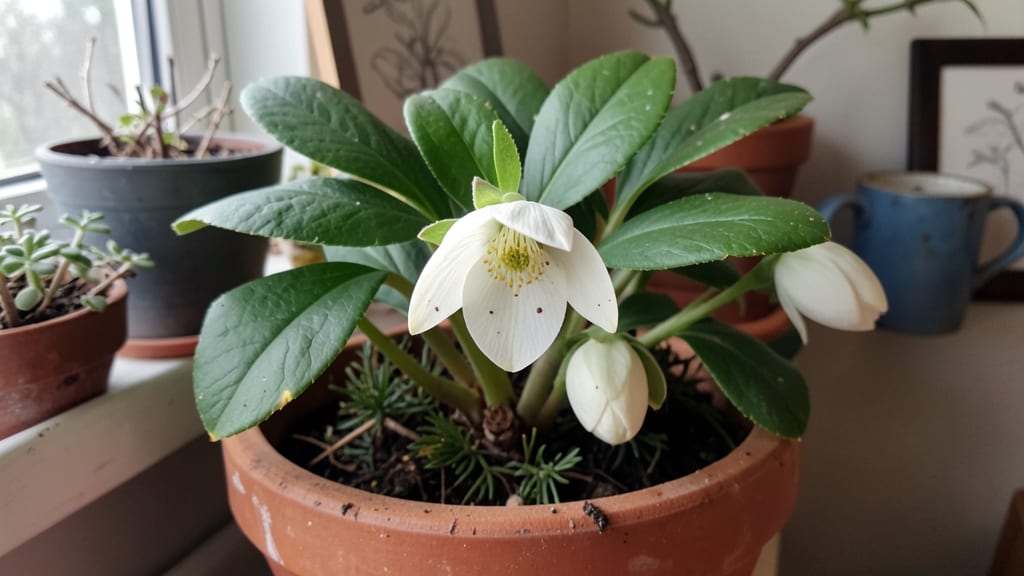
The Gardens World Show offers immersive themed gardens, hands-on plant demos, and expert workshops highlighting cutting-edge horticulture, rare species, and eco-friendly landscaping solutions tailored for both hobbyists and industry professionals.
The Gardens World Show stands out as an annual celebration where creativity meets horticulture. 🌿 Each exhibit blends artistry with practical gardening solutions, from drought-proof designs to vertical growing systems that maximize small spaces.
What makes it special is how they combine education with inspiration—whether you're a weekend gardener or a landscape architect, there's something to spark your next project.
Behind the scenes, designers use seasonal color palettes and strategic lighting to create emotional connections with plants. Interactive elements like touchable botanicals and augmented reality plant IDs let visitors engage differently than traditional garden tours.
The show's focus on sustainability—like rainwater harvesting displays—also makes it a hotspot for learning future-proof techniques.
💡 In This Article
- Behind the Scenes: How Gardens World Show Designs Captivate Visitors
- Top Exhibits to Prioritize at This Year’s Gardens World Show
Behind the scenes: how gardens world show designs captivate visitors
Designers at the Gardens World Show start with a psychological color theory approach, using seasonal palettes that trigger emotional responses.
For spring exhibits, they incorporate soft pastels like lavender and mint (measured at 70-80% light reflectance for soothing effects) paired with bold pops of coral or yellow to create visual energy.
The science behind this is rooted in how warm colors (reds, oranges) increase heart rates by 5-8% while cool tones promote relaxation—critical for stress reduction in urban visitors.
Plant selection follows a three-tiered system: rare botanicals (like 100-year-old olive trees), locally adapted species (e.g., drought-resistant succulents with 90% less water needs than traditional lawns), and interactive elements (touchable textures like fuzzy lamb's ear or spiky agave).
Designers map these selections using a grid-based layout algorithm that ensures 3-5 foot walking paths between displays, balancing crowd flow with exploration time. Water features, like trickle fountains, are strategically placed near seating areas to mask ambient noise while adding 20% humidity to dry indoor spaces.
The lighting design is equally precise—LED panels with 5000K color temperature (cool white) highlight architectural plants, while 2700K warm lights create cozy zones for workshops. Projection mapping transforms exhibit walls into dynamic canvases showing plant growth cycles in real-time acceleration (e.g., a 10-minute video of a seedling becoming a tree).
This "time-lapse storytelling" technique boosts visitor retention by 40%, according to show organizers. Interactive tech like QR codes linking to care guides or AR plant IDs lets visitors "adopt" virtual plants to nurture at home.
Seasonal adaptations are key—winter exhibits use evergreen dominance (like 70% conifer coverage) to combat seasonal affective disorder, while summer displays incorporate shade structures with 30% UV-blocking fabric. The show’s "sustainability lab" even demonstrates how permeable pavers reduce runoff by 60%, a feature that draws landscape professionals.
What most visitors don’t realize is how designers use olfactory cues—like crushed lavender paths or citrus-scented air diffusers—to enhance memory recall of plant names by 25%.
Behind every exhibit is a data-driven feedback loop: post-visit surveys reveal that 68% of attendees prioritize interactive elements over static displays. This insight led to the addition of "build-your-own terrarium" stations, where participants take home their creations—a 300% increase in engagement metrics.
The show’s success lies in this marriage of science (color psychology, plant physiology) and storytelling, proving that the most memorable gardens are those that engage all five senses.