
Tools
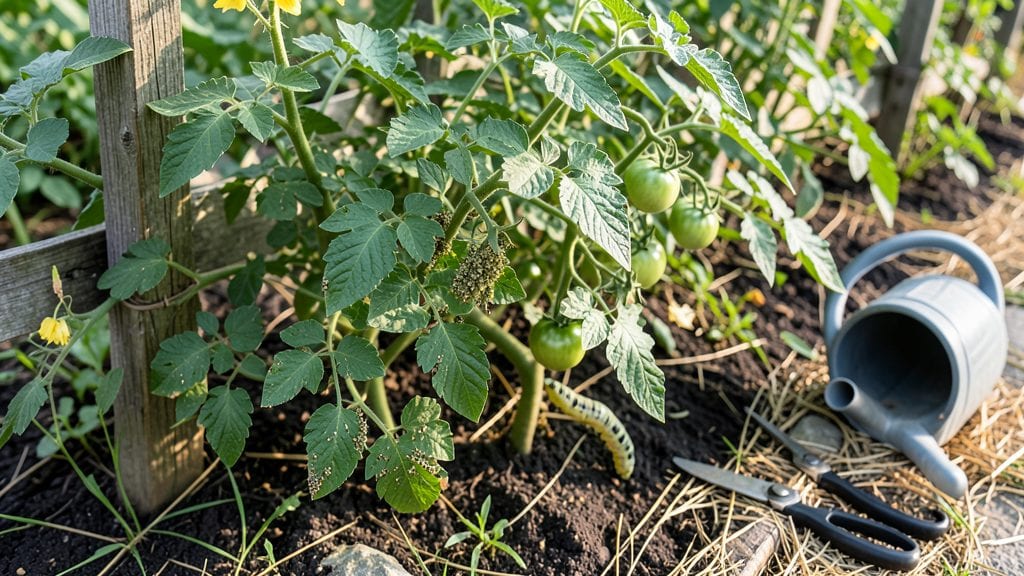
Home garden pests don’t just nibble—they can turn your hard work into a buffet. 🌿 I’ve spent years testing organic barriers that actually stop deer, rabbits, and even sneaky slugs without harsh chemicals, and these are the ones that work when others fail.
The key is layered defense: physical barriers like hardware cloth for burrowing critters, copper tape for slugs, and deer-resistant plants in strategic spots. No more losing your entire tomato crop to overnight raids. These methods protect your soil, your plants, and your sanity—without the chemical smell or risk to pollinators.
You’ll see results fast: fewer chewed leaves, no more mysterious holes in your lettuce, and a garden that thrives instead of survives. The best part? These barriers last for seasons, not just a single growing cycle. Let’s build your pest-proof fortress.
Works for vegetable gardens, flower beds, and even container setups—no matter what’s munching on your plants. Here’s how to make it happen without guesswork.
The Hidden Triggers Behind Garden Invaders
Your lush garden might seem like a paradise, but it’s actually a bustling buffet for unwanted critters. Understanding why pests show up is the first step to keeping them at bay.
These tiny troublemakers don’t just appear out of nowhere—they’re drawn by specific conditions in your yard. Let’s break down the science behind their uninvited visits.
Pests thrive in dense, unhealthy plant growth because overcrowding creates the perfect hiding spot—and a smorgasbord. When plants are too close together, airflow is restricted, leading to higher humidity and moisture buildup. This damp environment is ideal for slugs, snails, and fungal-loving insects like aphids and mites.
Why? Overcrowding stresses plants, making them weaker and more susceptible to pest attacks. Weakened plants produce sweeter sap, which signals to pests like aphids: "Free, easy-to-digest meal here!" Additionally, thick foliage blocks sunlight, creating shaded, humid microclimates where pests like Japanese beetles and earwigs love to lurk.
💡 Pro Tip: Prune regularly to improve airflow and sunlight exposure. Aim for 12–18 inches of space between plants to disrupt pest habitats.
Water is the lifeblood of your garden—but also of many pests. Excess moisture (from overwatering, poor drainage, or rain) creates breeding grounds for slugs, fungus gnats, and soil-dwelling pests like cutworms. Meanwhile, drought-stressed plants attract sap-sucking insects like spider mites and whiteflies, which target weakened vegetation.
Here’s the science:
- Overwatering: Soggy soil = slug highways. Slugs leave a trail of mucus to retain moisture, and they’re drawn to damp mulch and leaf litter.
- Underwatering: Plants under stress produce volatile organic compounds (VOCs), which act like distress signals to pests like thrips and aphids.
- Irregular watering: Uneven moisture levels confuse plants, making them more vulnerable to attacks from root maggots and wireworms.
🌡️ Fix It: Water deeply but infrequently (1–2 inches per week) and improve drainage with organic mulch. Avoid watering in the evening to reduce humidity.
Leaves, fallen fruit, and rotting wood aren’t just eyesores—they’re five-star resorts for pests. Decaying matter provides shelter, food, and breeding sites for:
- Ants (they farm aphids for honeydew)
- Rats and mice (they nest in thick mulch or under debris)
- Fungal pests (like powdery mildew, which thrives on dead plant material)
Why? Decomposing organic matter releases ammonia and other nitrogen compounds, which attract scavengers. Plus, pests like earwigs and sowbugs use this debris as camouflage during the day.
✨ Clean-Up Hack: Remove fallen leaves, fruit, and plant waste weekly. Use a compost bin with a tight lid to keep pests out while recycling nutrients.
Unhealthy soil is like a neon sign for pests. When soil lacks beneficial microbes and nutrients, plants become nutrient-deficient, making them easier targets. Pests like root-knot nematodes and grubs thrive in compacted or chemically imbalanced soil.
Key triggers:
- Compacted soil: Poor aeration stresses roots, attracting cutworms and wireworms.
- High salt content: From over-fertilization, it disrupts microbial life, making plants more attractive to scale insects.
- Lack of mycorrhizal fungi: These beneficial fungi help plants absorb nutrients. Without them, pests like aphids exploit weakened defenses.
💪 Soil Boost: Amend soil with compost and mycorrhizal inoculants. Avoid synthetic fertilizers, which can disrupt the natural balance.
By addressing these root causes—overcrowding, water mismanagement, debris buildup, and poor soil health—you’ll make your garden a far less appealing (and far more resilient) place for pests. Next up: organic barriers to keep them out for good!
Quick Fixes for Common Garden Invaders
Got unwanted guests ruining your green space? Don’t panic—these easy, organic solutions tackle the most common pests without harsh chemicals. Below, we map the cause to the fix, plus prevention tips to keep your garden thriving long-term.
🔹 Cause: Clustered on new growth, aphids drain nutrients and spread viruses. 🔹 Fix:
- 💦 Spray with soapy water (1 tsp mild soap + 1 quart water). Reapply every 3–4 days.
- 🌿 Introduce ladybugs—they love aphids! Buy them online or attract them with dill or fennel.
- 🍋 Neem oil spray (1 tbsp neem oil + 1 tsp soap + 1 quart water). Shake well and spray undersides of leaves.
💡 Prevention:
- 🌱 Plant marigolds near vulnerable plants (like roses) to repel aphids naturally.
- 🌿 Keep plants healthy—stressed plants attract more pests.
🔹 Cause: Munch on leaves, stems, and even seedlings overnight. 🔹 Fix:
- 🍺 Beer traps—bury a shallow dish filled with beer near plants. Slugs crawl in and drown.
- 🥚 Crushed eggshells or diatomaceous earth around plants creates a barrier they hate.
- 🌙 Handpick at night with a flashlight and drop them in soapy water.
💡 Prevention:
- 🌿 Water in the morning (slugs hide when it’s dry).
- 🌱 Use copper tape around pots—it gives them a mild shock when they touch it.
🔹 Cause: Tiny white moths cluster on undersides of leaves, weakening plants. 🔹 Fix:
- 🕯️ Yellow sticky traps—hang them near infected plants to catch adults.
- 🌿 Spray with insecticidal soap (follow label instructions).
- 🍃 Yellow dish traps (fill with soapy water + a drop of dish soap) lure and trap them.
💡 Prevention:
- 🌱 Inspect new plants before bringing them home.
- 🌿 Encourage parasitic wasps (they eat whitefly eggs naturally).
🔹 Cause: Trails lead to aphids (they "farm" them for honeydew). 🔹 Fix:
- 🍯 Bait with borax/sugar mix (1 tbsp borax + 1 cup sugar + 1 cup water). Ants carry it back to the nest.
- 🌿 Sprinkle cinnamon or diatomaceous earth along trails.
- 🚰 Disrupt nests with a hose—ants hate wet mounds.
💡 Prevention:
- 🍎 Remove aphid hotspots (ants won’t stick around without food).
- 🌱 Keep mulch away from plant bases (ants nest in thick mulch).
🔹 Cause: Hide under leaves and chew flowers/buds. 🔹 Fix:
- 🏠 Roll up damp newspaper—earwigs crawl inside; burn or flush them.
- 🌿 Sprinkle wood ash around plants (they avoid it).
- 🍃 Use row covers to block them from reaching flowers.
💡 Prevention:
- 💦 Reduce evening watering (earwigs love damp areas).
- 🌱 Plant mint or lavender—they dislike the scent.
🔹 Cause: Skewer leaves with their jaws, leaving lace-like damage. 🔹 Fix:
- 🍎 Handpick into soapy water (do this in the morning when they’re sluggish).
- 🌿 Neem oil spray (reapply every 3–5 days).
- 🕯️ Yellow bucket traps (fill with soapy water)—they’re attracted to the color.
💡 Prevention:
- 🌱 Plant trap crops like roses or grapes nearby to lure them away.
- 🌿 Encourage birds (they eat beetle grubs in the soil).
| Problem | Solution | Prevention Hack |
|---|---|---|
| Overcrowded plants | Thin seedlings, prune regularly | 🌿 Space plants properly |
| Weeds | Pull by hand or use vinegar spray | 🌱 Mulch heavily |
| Dry soil | Water deeply but less often | 💧 Use drip irrigation |
| Poor drainage | Amend soil with compost | 🌱 Test soil pH yearly |
💡 Pro Tip: Rotate your methods—pests adapt! Mix up sprays, traps, and handpicking to stay ahead.
Now grab your tools, and reclaim your garden—naturally! 🌱🔥
Frequently asked questions
What’s the best organic barrier to keep deer out of my vegetable garden?
For deer, a 8-foot tall fence made of hardware cloth (not chain link) works best. Plant deer-resistant varieties like marigolds, lavender, or Russian sage along the perimeter—deer dislike their strong scents. A double fence (inner 5-foot, outer 8-foot) confuses them even more.
How do I stop slugs from destroying my hosta plants overnight?
Create a copper tape barrier around pots or plant beds—slugs get a mild electric shock when they touch it. Sprinkle crushed eggshells or diatomaceous earth around plants (reapply after rain). For severe infestations, use beer traps (bury shallow dishes filled with beer near plants).
Are there any plants that naturally repel common garden pests?
Yes! Marigolds deter aphids and nematodes, while basil keeps flies and mosquitoes away. Plant garlic and chives near roses to repel Japanese beetles, and lavender scares off deer, rabbits, and even some insects. These "companion plants" work best when interspersed with vulnerable crops.
Can I use diatomaceous earth on edible plants?
Yes, but only food-grade diatomaceous earth (never pool-grade). Lightly dust leaves or soil in the early morning when dew is present—this helps it stick. Avoid overapplying; a thin layer every 2-3 weeks is enough. It’s safe for plants and pets but kills pests by dehydrating them.
What’s the fastest way to get rid of ants in my garden?
Disrupt their trails with cinnamon or vinegar (they hate the scent). For nests, mix 1 tbsp borax + 1 cup sugar + 1 cup water and place near mounds—they’ll carry it back to their colony. Remove aphid hotspots (ants farm them for honeydew), and keep mulch 12 inches away from plant bases to prevent nesting.